

TMJ & Jaw Pain
A jaw that clenches all night.
A jaw that aches on waking and teeth worn flat are the common signs of clenching and grinding. The masseter, the muscle that closes the jaw, is one frequent driver, and Botox placed in it is one option, covered in full on the treatment page. The joint itself can be the source too, which changes what gets treated.

TMJ & Jaw Pain
A jaw that clenches all night.
A jaw that aches on waking and teeth worn flat are the common signs of clenching and grinding. The masseter, the muscle that closes the jaw, is one frequent driver, and Botox placed in it is one option, covered in full on the treatment page. The joint itself can be the source too, which changes what gets treated.
CONCERN & CAUSES
Where Jaw Pain and Grinding Come From
Some call it TMJ, and clinicians say TMD, for temporomandibular disorder. A jaw that locks, pain that is severe or constant, or pain in the ear should be checked by a dentist or physician first, because those point at the joint more than the muscle.
01
Nighttime Bruxism
Bruxism is grinding you do in your sleep, with no awareness of it at all. The force repeats for hours. Enamel wears flat, the jaw stays sore, and the masseter thickens along the side of the face.
02
TMJ Joint Dysfunction
TMJ stands for temporomandibular joint, where the lower jaw hinges against the skull. Clicking, popping, a jaw that catches when you open, pain that arrives while you chew: those point at the disc and ligaments inside the joint.
03
Masseter Hypertrophy
Clenching loads the chewing muscle the same way a heavy lift loads any other muscle, and it answers by growing. Over years the lower third of the face reads wider and squarer as the masseter builds.
04
Tension Headaches
A jaw working all night refers pain outward: into the temples, behind the eyes, around the ears. It is usually loudest on waking. Desk clenching through the day tends to produce the same pattern by afternoon.
Treatment Benefits
Targeted Relief for Jaw Tension and Clenching
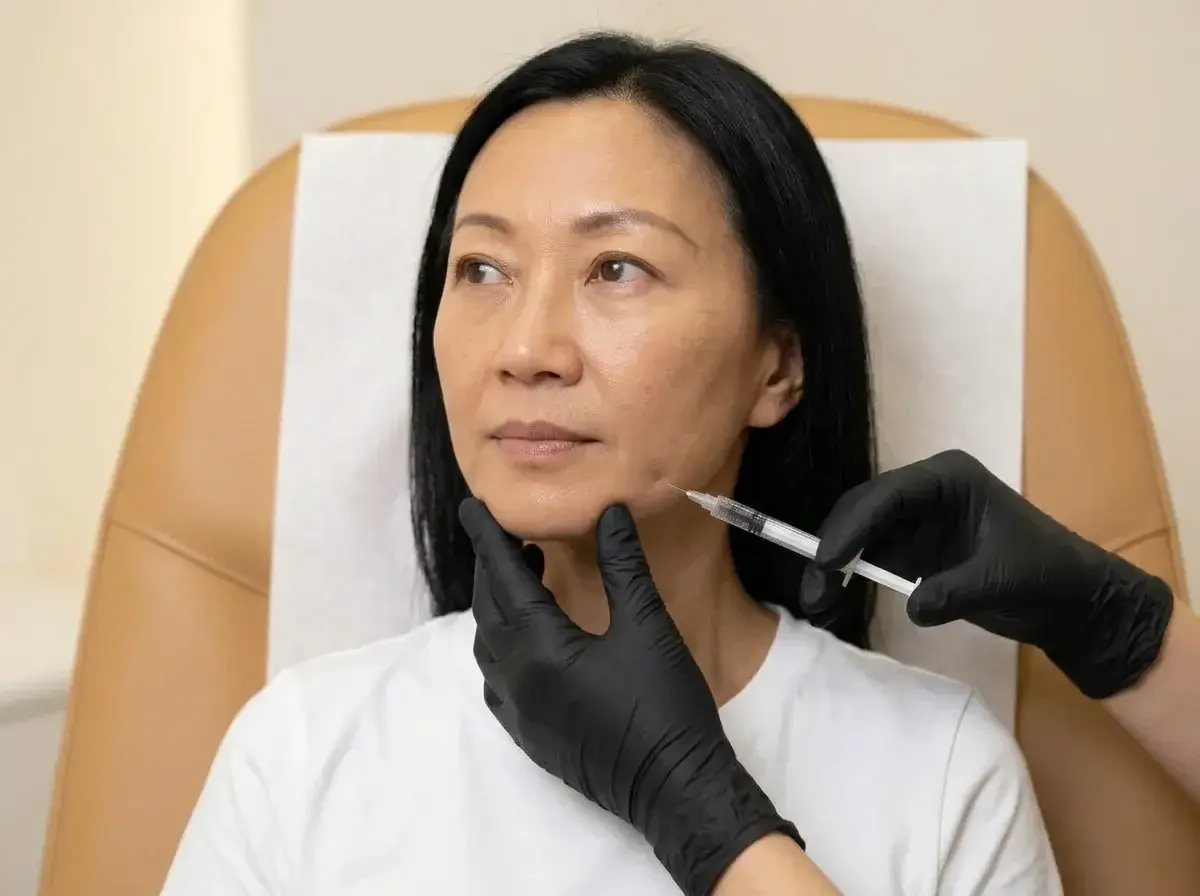
Botox placed in the masseter reduces how hard the chewing muscle can contract, so less force reaches the teeth each night and morning tightness eases. Catherine has nearly 20 years in aesthetic medicine, and the first masseter dose is kept conservative.
Masseter Botox
Botox placed into the belly of the masseter, deep enough to reach the fibers generating the clench. Chewing strength for everyday food is left where it is.

Caring for the Jaw Between Treatments
Botox reduces the force the muscle can generate. The clenching habit stays, and so does whatever drives it, so dental protection and treating broken sleep are what keep the relief going between treatments. The steps below cover both.

Keep the Night Guard
See Your Dentist

Manage the Stress Load

Check Your Sleep

Rest the Jaw by Day
Caring for the Skin Over Your Jaw
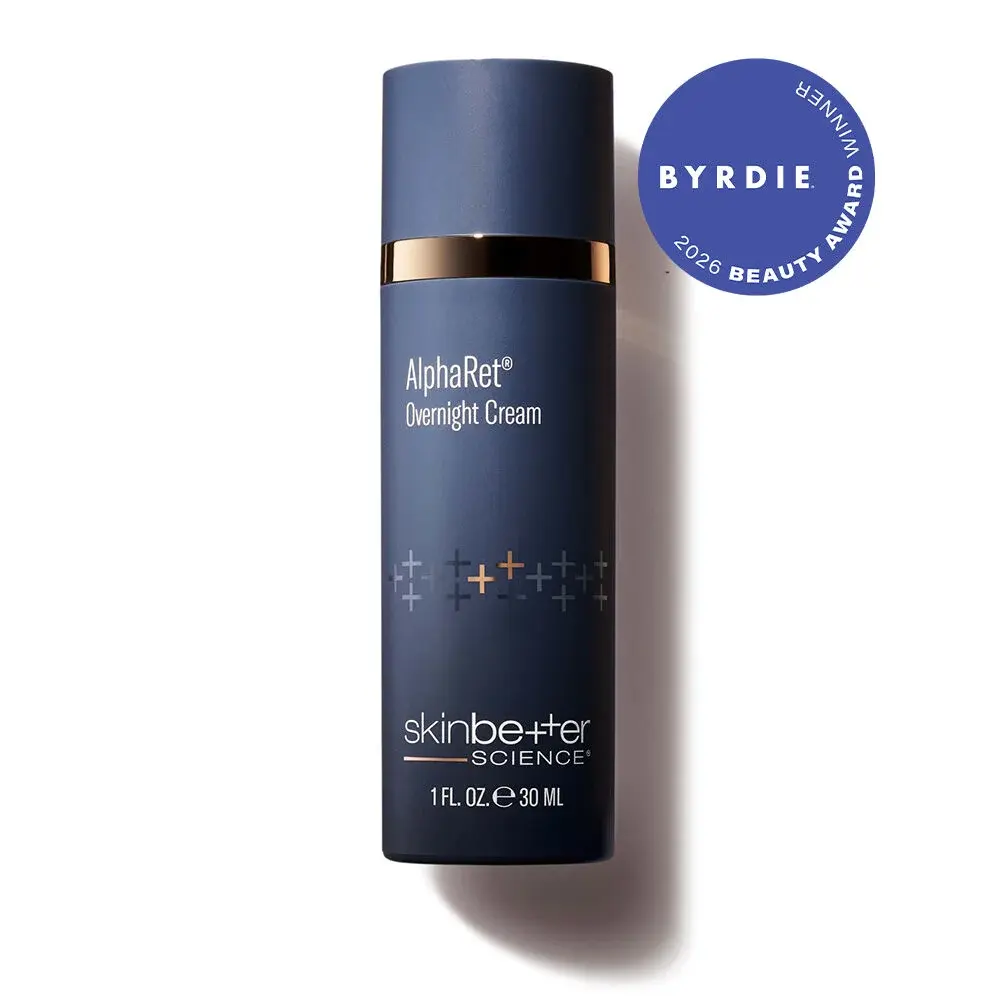
A SkinBetter Science Retinoid
As the masseter eases over several months, the lower face can look less square, and skin texture along the jaw is often the next thing people ask about. A SkinBetter Science retinoid supports skin quality there. Both offices stock the line, and Catherine will go over whether your skin is ready for one.









The Beauty Bank
What Membership Is For
Members pay less per unit.
Neuromodulators are $15.50 per unit. Catherine goes through the options at a complimentary consultation. There is no deposit. Members pay less per unit; the figures are on the Beauty Bank page.
One fee each month, with no deposit
Use it at either office, Bronxville or Bridgehampton
Your complimentary consultation is with Catherine Curtin, MSN, FNP-C



A full-face assessment comes before any single treatment.
Complimentary consultation. No deposit. A card holds the time.
FAQ
Common Questions About
TMJ and Bruxism Treatment
Usually more than one thing. Stress and broken sleep drive the habit, and a bite that does not meet evenly can feed it. Years of load thicken the masseter until clenching becomes the jaw's default. When the muscle is the main driver, treating the muscle helps; joint problems need dental assessment.
Relief builds gradually as the muscle loses force, so the morning tightness tends to ease over the first few weeks, and the timeline varies from person to person. The change shows most in how the jaw feels on waking.
The muscle regains its strength as the treatment wears off, so tension can return. Over repeat cycles an overworked masseter often eases back toward a softer resting size, and the gap between treatments can lengthen as the clenching pattern improves.
Usually not. The dose is chosen to reduce the force of the clench while leaving enough strength to eat normally. Tough or very chewy food can feel different for a while. Ordinary meals stay comfortable.
It can. A masseter built up over years of clenching squares off the lower face, and reducing that load can narrow the width over several months. The jaw is treated for comfort and function first, and a slimmer jawline comes as a side effect.
No. The chewing muscle is treated low at the jaw angle, well away from the muscles that move your smile. What changes is how hard your jaw can bear down.
Yes. Nothing done at the masseter replaces it. If no guard has ever been made for you and your teeth are showing wear, raise it at your next dental visit, because the wear is a dental finding and your dentist is the one who reads it.
Botox treats the muscle that drives the clench. Easing the masseter can take some pressure off a noisy joint, though it does nothing to the disc or the ligaments inside it. When clicking, locking or catching is the main thing you notice, the muscle is not the problem to treat, and that belongs with a dentist who works on the joint.
Repeated clenching can wear the biting edges of the teeth flat, keep the jaw sore in the morning, and thicken the masseter so the lower face looks squarer over time. Dental wear and any joint symptoms should be assessed by a dentist or physician first. Easing the force of the clench limits how much load reaches the teeth each night.
Yes, in most cases. People head back to work or on to errands straight from the appointment. The injection points can feel tender for a few hours. Avoid rubbing the area and skip hard exercise until the next day.