Skip to content
(917) 300-0011

NOUVAderm Laser Skin Resurfacing

  • •NOUVAGlo Micro: Early Aging
  • •NOUVAGlo Light: Darker Skin Types
  • •NOUVAGlo Moderate: Age 40s
  • •NOUVAGlo MAX: Advanced

NOUVAderm is a 1927 nm thulium laser. Its four settings range from a surface refresh with little downtime to a fully ablative resurfacing, and the one your skin takes is decided at the consultation from your skin type and pigment history.

5.0★ · 82 Google Reviews

NOUVAderm Laser Skin Resurfacing
01

What Is NOUVAderm Laser?

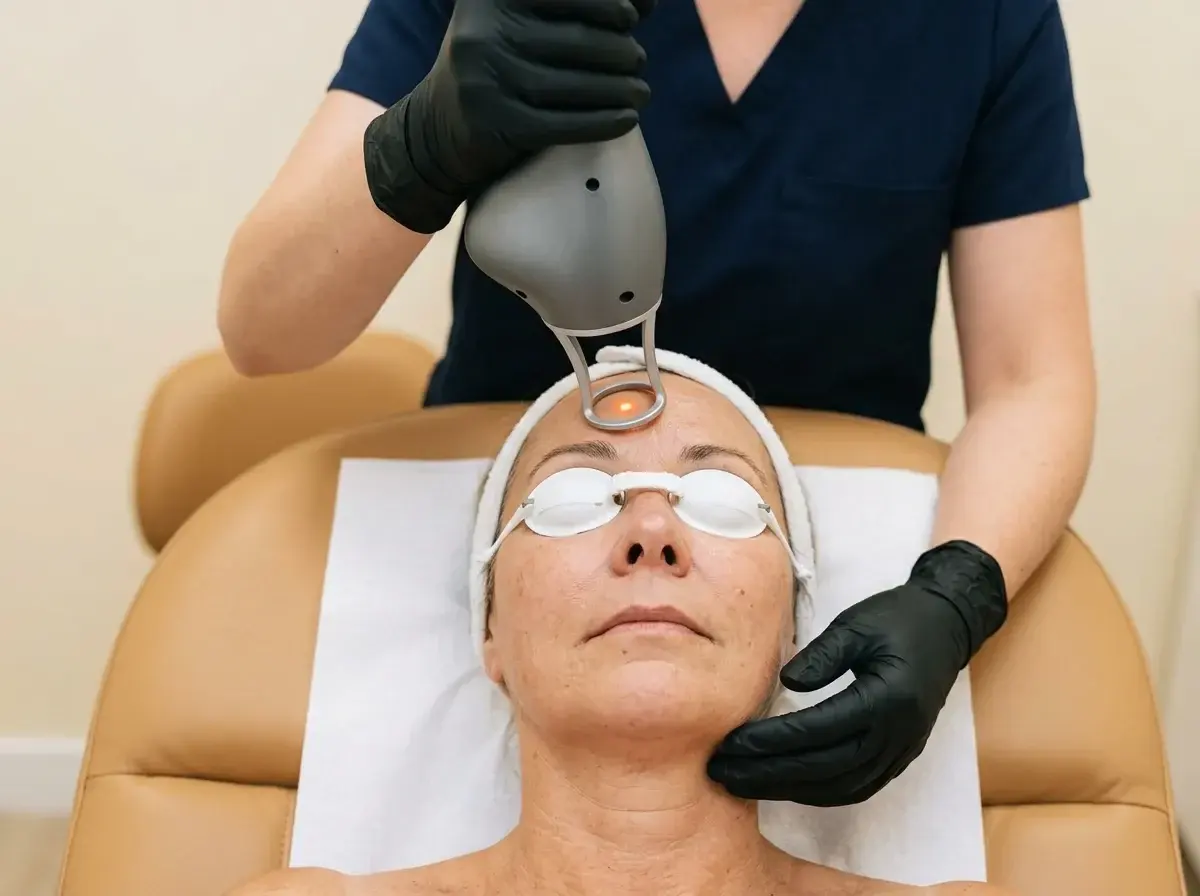
Skin resurfacing with the NOUVAderm platform uses a thulium laser at a wavelength of 1927 nm, delivered in a fractional pattern. It works on the surface of the skin, where crepey texture, fine lines, sun damage and shallow acne scarring sit. Four levels are available, from non-ablative through to fully ablative: NOUVAGlo Micro, Light, Moderate and MAX. Micro is the lightest and addresses the first signs of aging, and MAX carries the most heat for advanced signs of aging or several concerns at once. The treated surface sheds over the first several days, and collagen rebuilds underneath over the weeks that follow.
02

NOUVAderm Laser at Beauty and Fly

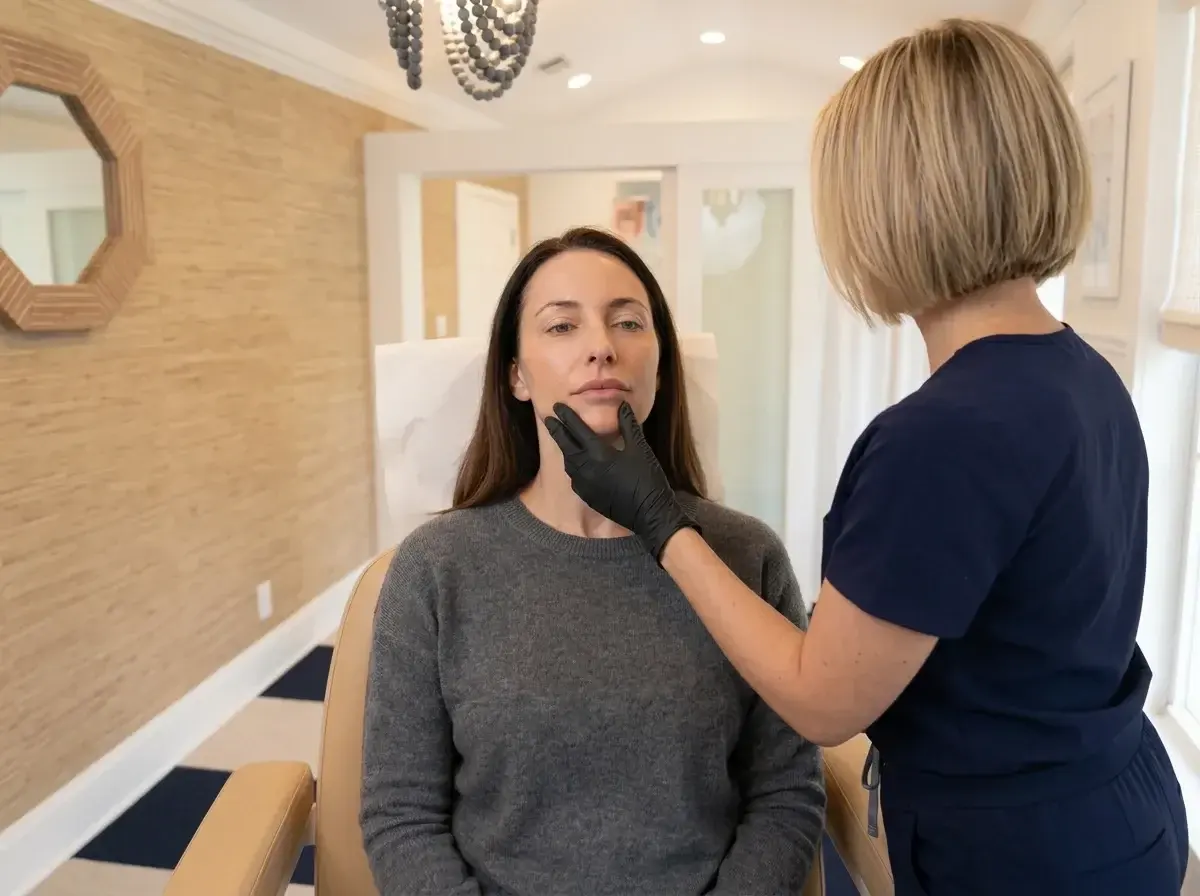
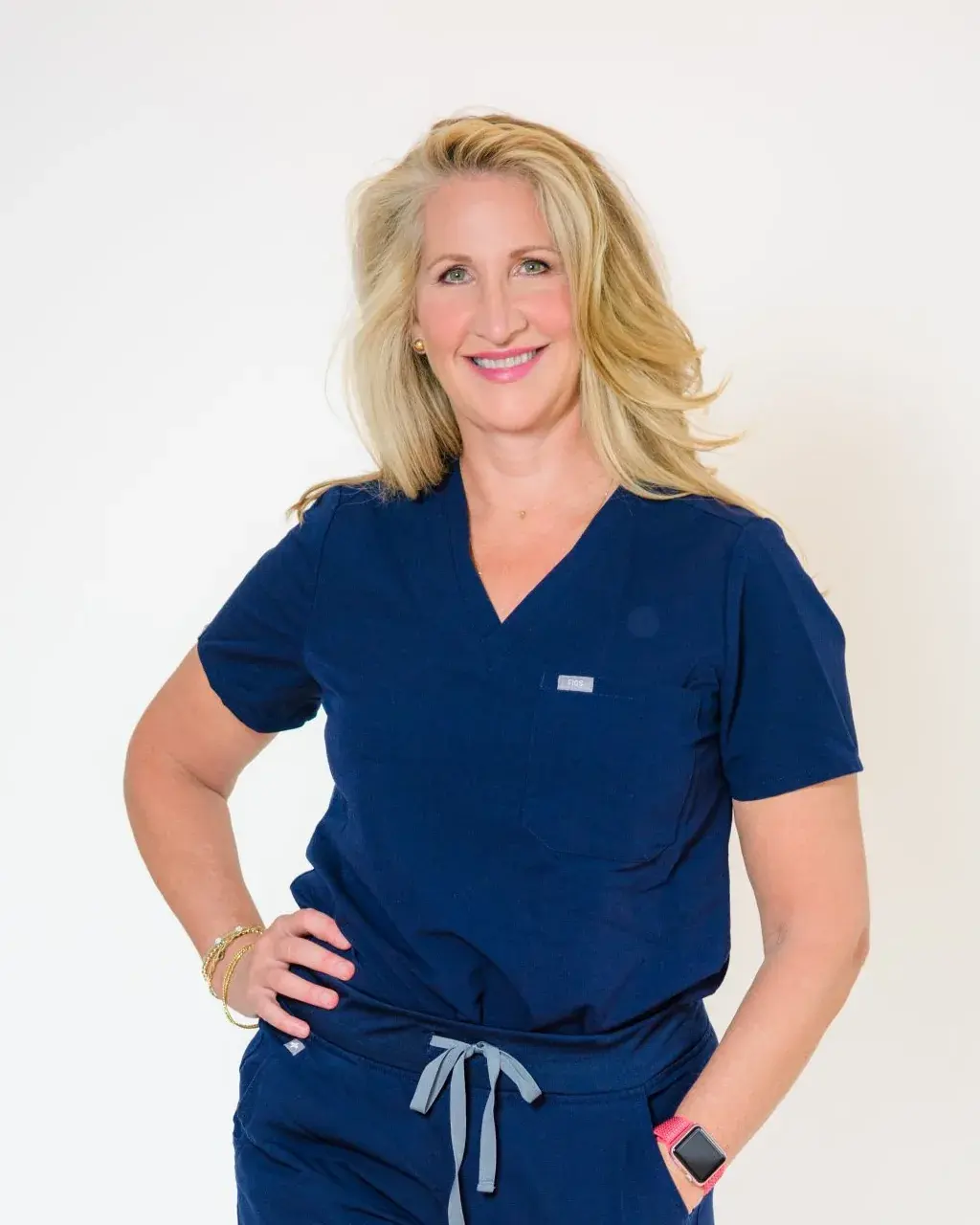
NOUVAderm sessions at the Bronxville and Bridgehampton offices are performed by Catherine Curtin, MSN, FNP-C. She selects which of the four NOUVAGlo settings suits your skin and each area being resurfaced, and topical numbing is applied before the session begins. The face is usually resurfaced before the neck and chest, so how thicker skin healed is known before thinner skin is treated.

03

Is NOUVAderm Laser Right for You?

  • NOUVAderm suits adults with crepey texture, fine lines, uneven tone or shallow acne scarring. The lighter settings address the first signs of aging, and the stronger settings address the more visible aging that shows from the 40s onward.

  • It is used on the face, including the lower lids, and on two areas treated less often: the neck and the décolleté, where sun damage shows and skincare alone makes little difference to it.

  • Treatment is postponed for anyone pregnant, anyone with an active cold sore or infection in the area, and anyone who recently finished isotretinoin. Pigment history and past reactions to peels or lasers are reviewed first.

04

What Are the Benefits of NOUVAderm Laser?

Crepey texture looks smoother, fine etched lines become less visible, and sun-induced brown patches often soften, so light falls more evenly across the skin. Because depth and coverage are set per area, thin skin on the lower lid and a sun-damaged chest can both be resurfaced at the level each one tolerates. Topical regenerators such as plant exosomes, Ariessence PDGF and CO2 Lift Pro are recommended straight after treatment to speed healing. NOUVAderm is $950 per session. Consultations are complimentary and there is no deposit.

NOUVAderm Treatment Goals

What NOUVAderm Laser Treats

Crepey Lower Lids

Crepey Lower Lids

Fine crinkled skin on the lower lid catches every light. NOUVAderm resurfaces it so the area looks smoother while your eyes still crease the way they always have when you smile.

Treatments+

The lids get the most conservative settings on the face. Catherine treats the thin skin lightly, lets it heal, then looks again at your follow-up before deciding whether it can take a second pass.

Causes+

Collagen and elastin under the eye are thin to begin with, and decades of sunlight thin them further. The skin loses its spring, so it folds and creases when you move.

Explore Treatment

NOUVAderm Laser Results

What your skin does from treatment day through full renewal

Tap to flip

Immediate (treatment day)

Treatment day · warm and pink

The skin is warm and pink straight after treatment. On the stronger settings it feels like a mild sunburn for 12 to 24 hours, with mild swelling easing within 24 to 48 hours. Plant exosomes, Ariessence PDGF, VAMP and CO2 Lift Pro are recommended as add-ons at the end of the session to expedite healing.

Tap to flip

Shedding Week

The shedding week · surface renews

The treated surface flakes and sheds over the following days as new skin comes through, and the skin can feel dry while that happens. Moisturizer and daily SPF matter most in this phase, and nothing should be picked at. Medical grade skincare is also recommended to speed up recovery.

Tap to flip

Full Results

Full result · after collagen rebuilds

Once shedding has finished and collagen has had its weeks to rebuild, the surface reads less crepey and light falls across it more evenly. Repeat sessions are scheduled so the result keeps moving forward.

How Catherine Approaches NOUVAderm

NOUVAderm Expertise

How Catherine Approaches NOUVAderm

Catherine Curtin, MSN, FNP-C has nearly 20 years of experience in aesthetic medicine. She examines your skin at the consultation, sets the energy and depth for each area treated, and reviews how the skin healed at your follow-up visit before anything changes.

At the consultation Catherine examines the skin in good light, asks what treatments it has already had, and decides which areas are resurfaced at the first session and which wait for a later visit. The setting for each area is chosen then as well.

Some concerns respond better to a course of chemical peels, particularly when uneven tone is the main issue or the skin has not tolerated resurfacing well before. Catherine offers both, and will recommend peels or medical grade skincare first where that suits the skin better, with NOUVAderm later if texture remains.

The first session uses lower energy and a shallower depth than the skin may be able to take. Thin skin on the lids, the neck and the chest starts lower still, and each area carries its own setting on the day it is treated.

Patient Reviews

What Catherine's Patients Have to Say

Reviews left by patients, published as they were written.

5.0 average (82 Google reviews) · Read all Google reviews →

I have been going to Catherine for last three years for microneedling and I am thrilled with the results! My skin looks better and brighter and has fewer lines than it did three years ago. Catherine…

CG

Cate G.

Google review · Bronxville

Treatment Process

NOUVAderm Laser Treatment Process

Consultation, numbing, the laser itself, then the week that follows. Here is every step of a NOUVAderm treatment with Catherine, including the parts that happen after you go home.

Step 01 · Consultation

Consultation and Skin Assessment

Catherine reads your texture and your pigment in good light and asks how your skin behaved after previous peels or lasers. Sometimes that conversation ends with a recommendation for something other than a laser. When NOUVAderm is right, she maps which areas get treated first.

  • Texture, pigment and past treatment history read together
  • Areas to resurface agreed and sequenced
  • Series length and spacing explained in plain terms
NOUVAderm Laser Skin Resurfacing treatment process

Beauty Bank Membership

Planning NOUVAderm Through Beauty Bank

Resurfacing runs as a series, often sequenced alongside peels, microneedling or Vivace RF microneedling. NOUVAderm is $950 per session, and that price is the same for Beauty Bank members: membership is $150 a month and changes the neuromodulator unit price only, $13.95 for members against $15.50. The consultation is complimentary and there is no deposit.

  • Lower per-unit cost for members on Botox, Dysport or Daxxify

  • Laser sessions sequenced alongside your injectable visits

  • Follow-ups that decide what the next session does

Beauty Bank
Beauty Bank Membership

Combining Laser Treatments

Sequencing NOUVAderm With Other Treatments

Resurfacing often works best alongside other treatments. NOUVAderm is combined with Vivace RF microneedling, and peels are paired with microneedling, when your skin and your schedule allow it.

Tap to flip

Laser Experience

Raised Next Session

The energy and depth at a first session are set below what the skin is likely to tolerate. Catherine reviews how the skin healed at your follow-up visit, then raises the setting at the next session if the healing supports it.

Tap to flip

Depth Decided Per Area

Calibrated

Sun exposure, hormones, medications and every prior treatment shape the plan. Catherine sets how many sessions, how much energy each pass carries, and how many weeks sit between visits so your skin finishes healing before it is asked to do more.

Tap to flip

Recovery Timelines

Per Setting

Recovery differs at every setting, so the first week is explained before you book and the session is timed around work and events. If the timing does not suit what you have coming up, the appointment is moved.

A full-face assessment comes before any single treatment.

Complimentary consultation. No deposit. A card holds the time.

FAQ

NOUVAderm Questions Asked Most

What patients ask most often before booking a NOUVAderm resurfacing appointment.

NOUVAderm is the resurfacing laser Catherine uses for fine lines, crepey texture and sun damage. It is a 1927 nm thulium laser whose settings run from non-ablative to fully ablative, and it works on the surface of the skin, which is where those three concerns sit. Recovery depends on the setting: the lightest settings leave little to no downtime, while the stronger settings leave a sunburn-like feeling for about 24 hours. The result builds over the following weeks as the skin renews.

The difference that matters to you is control. One platform runs from non-ablative to fully ablative, so depth and coverage are set differently on the face than on the neck, and differently again at a first visit than at a third. That is why one device can suit thin skin around the eye and a sun-damaged chest, as long as the settings change between them.

Both work on the surface, and the answer depends on what your skin has already tolerated. A peel course is often the starting point when the concern is tone and you have little downtime to give it. Catherine moves to the laser when texture and etched lines are the problem and a peel has taken it as far as it goes.

Several months to over a year, depending on the concern treated and how carefully the skin is kept out of the sun. Resurfacing does not stop skin from aging. The result holds longest with daily SPF and maintenance sessions on a planned schedule.

Anyone pregnant, anyone with an active cold sore or infection in the area, and anyone recently finished with isotretinoin waits. Beyond that, Catherine reads pigment history and how your skin behaved after past peels or lasers. For melanin-rich skin the settings are lowered and sessions are spaced further apart, and where a laser is not the right fit, she recommends peels or skincare.

Sun-induced brown spots and uneven tone often soften. Some discoloration is a different problem underneath, and heat can worsen that kind, so pigment and past treatments are reviewed first. For some patients a course of peels or medical grade skincare comes first and the laser comes later.

Yes. These treatments can also target often-overlooked areas like the neck and décolleté. The neck and chest are treated more cautiously than the face. Skin there is thinner and repairs more slowly, so the energy is lower and the gaps between sessions are longer. It is common for the face to be treated first and the neck and chest to follow at a later visit, once Catherine has seen how the face healed.

Wait until the next day, then keep it to lukewarm water and your hands. What matters more is what stays off: no scrubs, no acids, no retinoids until the surface feels smooth again, and no picking at anything that flakes. Heavy foundation can wait as well. Catherine goes through all of it before you leave.

Resurfacing is a surface treatment for texture and uneven tone, so it does not change facial volume. Catherine looks at your face first, and if volume is the main concern, she recommends a treatment that addresses it.

No. Home devices and aggressive exfoliating routines work at a very superficial level and cannot control depth or density the way a medical laser does. In the office the settings are calibrated and your eyes are shielded for every pass. Improvising that at home risks burns, scarring and pigment change.