

When Spacing Decides the Result
Botox fades on its own schedule. Movement returns in stages, area by area, and the creases follow it back. Three to four months suits most people, and the reasons it shifts either way are below.
Lines Reappearing Between Visits
The frown lines came back sooner than they did after your last treatment, and makeup gathers in the forehead creases again. Movement has returned before the next appointment was due.
Results That Feel Inconsistent
One round can hold for the full three to four months while the next fades sooner, and one brow often regains movement weeks before the other. Uneven fade is common.
Frozen, Then Fully Gone
Too much product at once leaves the brows unable to lift. Letting the effect run out completely brings every line back. Even spacing and measured dosing keep you between those two states.
Starting Early in Your 20s or 30s
If you are starting in your 20s or 30s, you may only see faint lines when you raise your brows or smile. The aim at this stage is to keep those creases from setting in, with treatment that stays light and easy to live with.
Holding the Line Past 40
Past 40, the crease stays visible when your face is doing nothing at all. That is when the gap between visits starts changing what your skin looks like at rest.
Botox Results and Timing
Botox begins working after a few days, reaches full effect at about two weeks, holds for a few months, then wears off as movement returns gradually.
Immediate Change. Treatment day · straight back out
A neuromodulator visit runs 45 minutes, and you go straight back to your day afterward. A few tiny raised marks fade within hours. Nothing looks different yet, because Botox takes several days to begin working.
Lines Soften. Days 3 to 14 · lines release
Somewhere around day three the treated muscles begin letting go, and by day fourteen you have the full picture. Makeup stops gathering in the creases. This window is what shows whether the dose was right.
Maintenance Phase. Week 2 onward · timing your return
The full effect holds for the next few months, then movement returns gradually as your body clears the product. The glabella often holds longest and the crow's feet usually go first, which is why the areas get separate intervals.
What Decides Your Botox Interval
Your consultation covers how the muscles move, where the lines show when your face is still, and what your last round of Botox did. From those findings Catherine gives you a first interval in months, firmed up after the two-week check.
What Happens at Each Visit
The whole sequence, from the first conversation about spacing through to the interval set for your next visit.
Consultation and Timing Plan
Catherine asks you to frown, lift and squint, and examines where the lines sit when your face is still. She asks what your last round of Botox did and for how many weeks it held. You leave with an interval in months and the reasons behind that number.
- Movement and resting lines both examined
- The interval explained with its reasoning
- Every question answered before you agree to a date
Botox Treatment Day
Catherine marks the muscles mapped with you, then places small amounts through a fine needle. The pace stays slow, and what is being placed and where is said aloud so you can follow it as it happens.
- Fine needle, marked placement points
- Conservative amounts in the mapped muscles
- Lower first-round dose, adjusted at the follow-up
Aftercare
You leave and carry on with your day while nothing visible happens for a while. You get the short list of what to skip over the next few hours, and Catherine tells you which day the softening usually starts, so your first week is not spent wondering.
- No downtime, straight back to your day
- No rubbing or lying flat for a few hours
- Softening arrives across the next two weeks
Check-In on Your Result
About two weeks after treatment, when the full effect is visible, Catherine checks the result against what she expected: whether the glabella softened evenly, whether the brow still lifts, whether one side is lagging. What she finds here sets both the second dose and the interval.
- Your result checked at about two weeks
- Muscle response and evenness assessed
- Second-round dose adjusted from the findings
Your Ongoing Interval
After a round or two Catherine can give you a reliable interval, usually three to four months. Returning before movement comes back keeps the lines soft; waiting longer means the creases show again for a few weeks first.
- Results hold for several months
- Return every few months
- Interval and dose adjusted every round
How Your Number of Months Is Set
Catherine Curtin, MSN, FNP-C, has nearly 20 years of experience injecting neuromodulators. Two faces clear an identical dose at very different speeds, so each interval is set from your own response.
Why the first round is lower
Once a dose is placed it stays for months. So less goes in than the mapped muscles could carry, and more is added at the follow-up. The interval then comes from a response Catherine has watched.
Dose review before interval
The dose is reviewed first. When a result wears off sooner than expected, Catherine checks how many units went into which muscle before she shortens the gap between visits, because a shorter interval cannot correct a dose that was too low.
Timing guided by muscle mapping
The interval is decided last. Catherine maps where your expression pulls hardest, notes how deep each crease sits at rest, and reviews how long your previous round held before putting a number of months to it.
Botox Timing and Pricing in Bronxville and Bridgehampton
Botox is usually repeated every three to four months. Catherine sets your interval from muscle strength and line depth, and explains the reasons for it.
Muscle Strength Assessed
Muscle strength and how quickly your creases come back after treatment are what set the number of months between your visits.
Thoughtful Dosing
Doses start light, so the lines soften while your brows still lift. If more is needed, units are added at the two-week review once the effect of the first round is visible.
Regular Timing Check-Ins
Your interval is not fixed after one round. At each appointment Catherine reviews how the last dose performed and adjusts the months between visits, which for some patients means a longer gap.
Beauty Bank Membership Details
Beauty Bank is one membership at $150 a month. Neuromodulators are $15.50 per unit, and members pay $13.95 per unit. No other treatment price changes. Your consultation is complimentary and there is no deposit.
- Suited to patients who return on a cadence
- Members pay less per neuromodulator unit
- Membership details on the Beauty Bank page
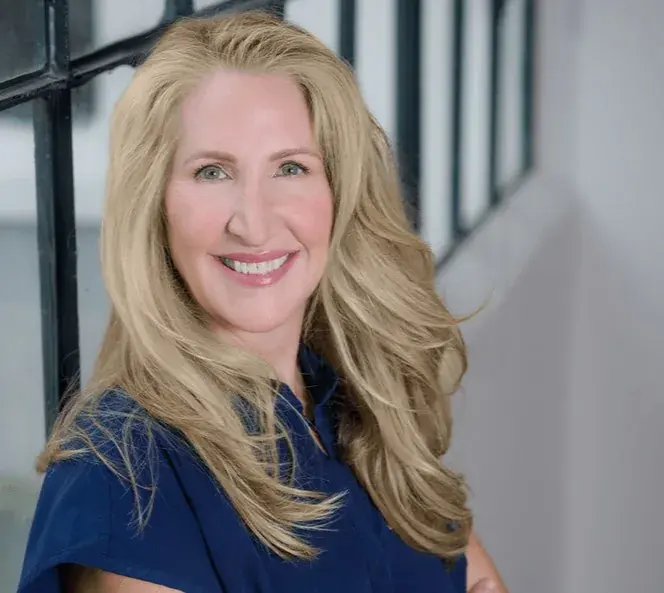
By Catherine Curtin, MSN, FNP-C
January 22, 2026
Comments
Be the first to comment. Catherine reads every comment before it appears, and your email is never published.