

Sun Damage
Sun spots on skin fade slowly.
Sun spots on skin are flat brown marks that form where years of UV exposure have left extra melanin, the skin's own pigment, deposited in patches. They usually come with rougher texture and uneven tone. Most spots lighten over several sessions, and the first step is assessing how deep the pigment sits, because that decides which treatment comes first.

Sun Damage
Sun spots on skin fade slowly.
Sun spots on skin are flat brown marks that form where years of UV exposure have left extra melanin, the skin's own pigment, deposited in patches. They usually come with rougher texture and uneven tone. Most spots lighten over several sessions, and the first step is assessing how deep the pigment sits, because that decides which treatment comes first.
CONCERN & CAUSES
Four Patterns of Sun Damage
Patients call them sun spots, age spots or liver spots. Sun-damaged skin shows up in four patterns, each examined in person before a plan is made. Any mark that is new, growing, irregular or bleeding is referred for medical evaluation first.
01
Age Spots and Liver Spots
Flat brown spots form where UV has pushed pigment cells into overproduction for years. They cluster on the cheeks, temples, hands and chest, and they read as clear dots against the skin around them.
02
Diffuse Dyschromia
This pattern has no clear dots. A soft brown wash covers the cheeks and jawline, often sitting over old acne marks. Up close it reads as one uneven layer, and it dulls whatever makeup goes on top.
03
Photo-Aged Texture
UV breaks down collagen and elastin slowly, over decades. Pores start to read larger, the surface feels rough under makeup, and lines around the eyes and mouth arrive earlier than they would on protected skin.
04
Broken Capillaries
Years of sun can also leave fine visible vessels and a low flush across the cheeks and nose. Redness and brown spots often share the same square inch of skin.
Treatment Benefits
Layered Protocols for Westchester and the Hamptons
Catherine Curtin, MSN, FNP-C has nearly 20 years in aesthetic medicine. On sun-damaged skin the pigment is lightened first and the texture resurfaced afterward, because pigment left in place can darken when heat reaches it.
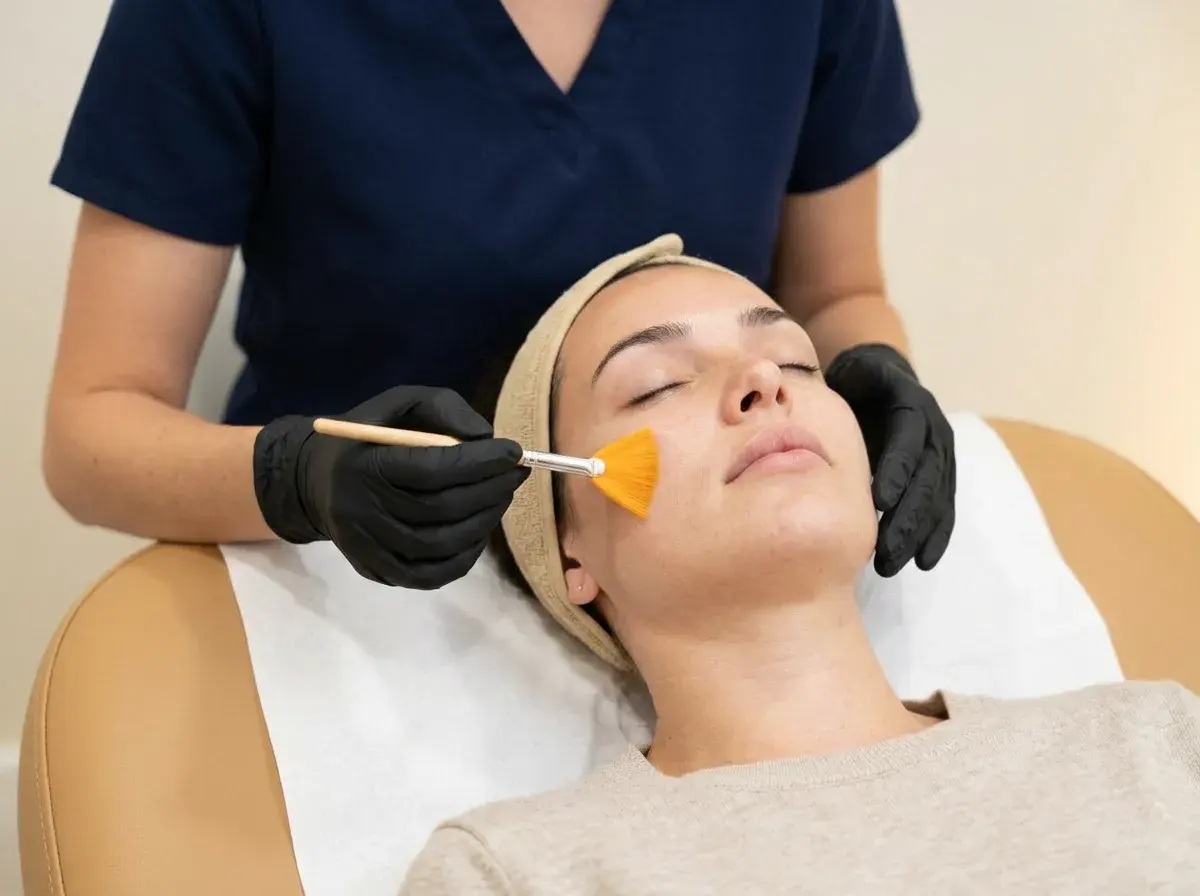
Chemical Peels
An acid formula that pushes the skin to turn over faster, so the pigmented cells sitting at the surface release and clear.
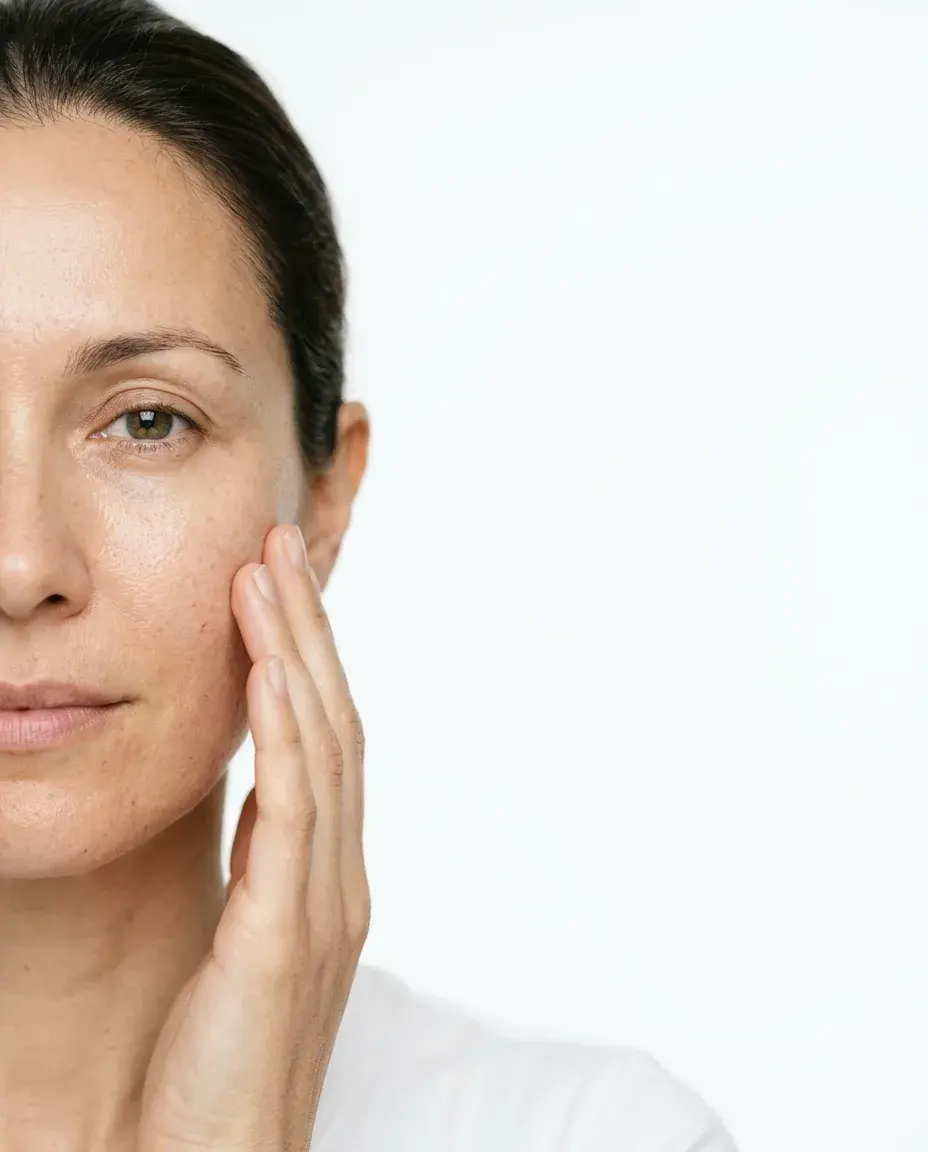
What You Do Between Visits After Treatment
Pigment fades over weeks, and home care between visits affects how much of it stays faded. UV is the obvious trigger. Heat and friction also stimulate pigment cells, so both can darken treated skin again while it is still recovering.

Cleanse Gently

Treat Daily

Avoid Direct Heat

Pause Strong Acids

Protect Daily
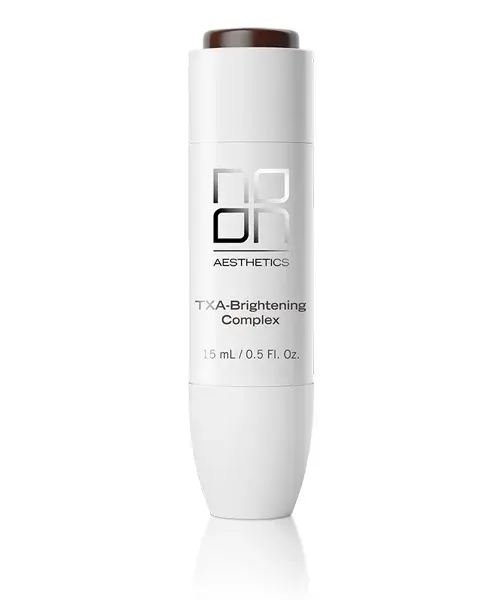
Recommended Skincare Protocol
Noon TXA Brightening Complex
This is the serum selected for stubborn brown spots and the general discoloration a series lightens but does not finish. The strength is chosen for your skin, and it layers under the morning SPF between visits.









The Beauty Bank
What Membership Is For
Members pay less per unit.
Neuromodulators are $15.50 per unit. Catherine goes through the options at a complimentary consultation. There is no deposit. Members pay less per unit; the figures are on the Beauty Bank page.
One fee each month, with no deposit
Use it at either office, Bronxville or Bridgehampton
Your complimentary consultation is with Catherine Curtin, MSN, FNP-C



A full-face assessment comes before any single treatment.
Complimentary consultation. No deposit. A card holds the time.
FAQ
Common Questions About
Sun Damage Treatment
A great deal of it improves. Sun spots, dull tone and early fine lines respond to a series of in-office treatments paired with daily SPF. What cannot be promised is the skin you had at twenty-five. Some deep texture stays, and that is covered at the start.
For defined sun spots and age spots on the face, neck or chest, treatment starts with the pigment itself: NOUVAderm laser settings tuned to the spot, or a targeted peel matched to how thick the damage runs. Microneedling comes later, once the spots have lightened, for the texture underneath them.
No. Sun damage comes from years of accumulated UV, and it shows as defined spots, scattered brown patches and texture change. Hormone-driven discoloration is a different condition, and it is not what Catherine treats here. The pattern is looked at in person, because when it is not sun-driven, treating it as sun damage wastes your time and hers.
The number varies with how much pigment there is and how deep it sits. A few isolated spots can clear in a short run of focused treatments. A diffuse wash across the cheeks takes longer, and texture longer still. Catherine examines the skin first, then gives you the number of sessions to expect.
Expect the pigment to look darker for a few days before it flakes and fades. That is the treatment working, and it is the part people are least ready for. Peels bring light peeling; microneedling brings redness and tightness. Catherine explains what each step looks like so you can plan your week.
Treated spots do not usually come back in the same place, but new ones can form wherever unprotected skin meets UV again. Daily SPF and shade through the middle of the day reduce how many new spots appear, so both are written into your plan at the first visit.
Heating or abrading pigment before it has lightened can make it darker. The peel lifts surface pigment first. When a laser is used, it treats the spots that remain. Microneedling comes last, once the skin has healed, to smooth the roughness underneath.
Some laser and light settings carry real risk in medium and deeper skin, because heat can trigger post-inflammatory hyperpigmentation. Catherine looks at your natural tone and your history with pigment before choosing a device. For some skin the plan is built on peels and microneedling.
It depends on which treatments your plan uses and how many sessions it runs. The NOUVAderm laser is $950 per session. Microneedling is $400, and $200 to $500 more when combined with PRP or exosomes. Peel pricing is set at your consultation, which is complimentary with no deposit.
Largely, yes. Daily sun protection cuts how much UV reaches the pigment cells that make new spots, so fewer of them appear. Staying out of the strongest midday light helps, and an antioxidant serum each morning adds to it. The routine is built short enough that you will still be doing it next spring.
The excess pigment is lightened first, because that is what you see. Once the spots have faded, the roughness and the fine lines underneath are worked on, usually with microneedling. Medical-grade skincare runs alongside the whole thing. What you are left with is clearer, smoother skin, with some of the deeper texture still there.