Skip to content
(917) 300-0011

Under-Eye Filler

  • •Soften Hollows and Shadows
  • •Brighten Dark Circles
  • •Filler + PRF
  • •Subtle, Natural Finish

Under-eye filler is a soft hyaluronic acid gel, usually RHA Redensity, placed deep along the tear trough against the bone to replace lost volume and reduce the shadow under the lower lid. PRF, spun from your own blood, is used where the skin needs thickening.

5.0★ · 82 Google Reviews

Under-Eye Filler
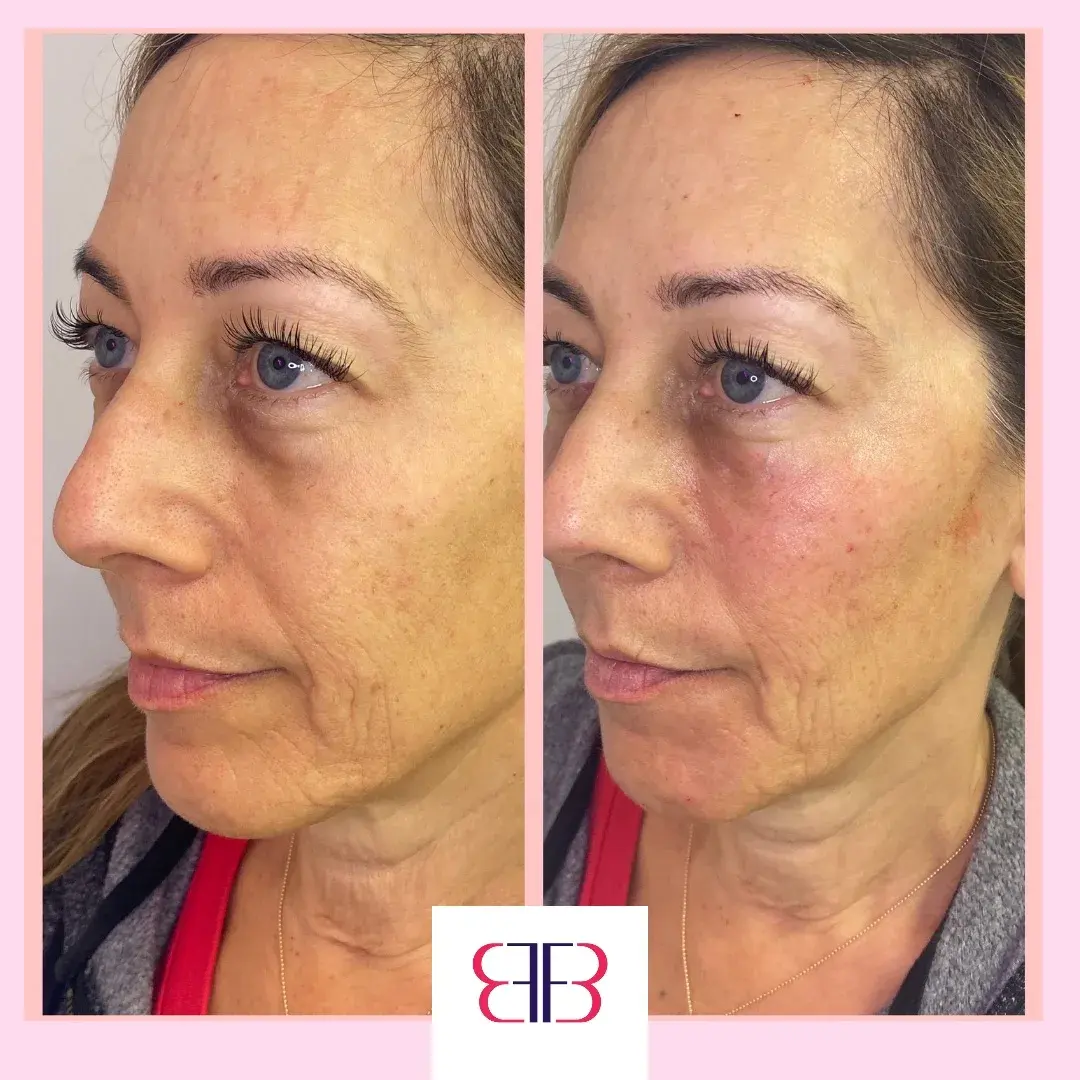
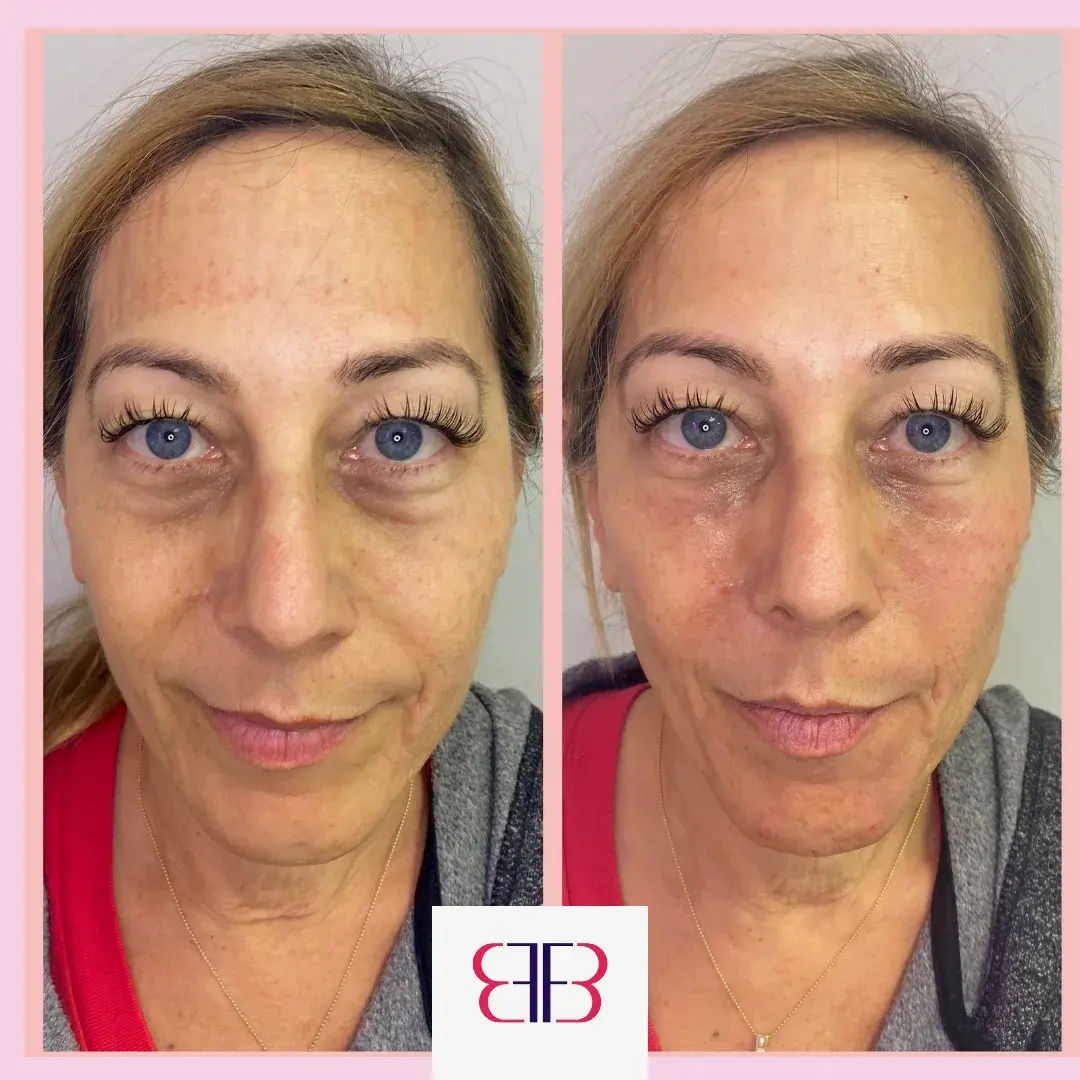
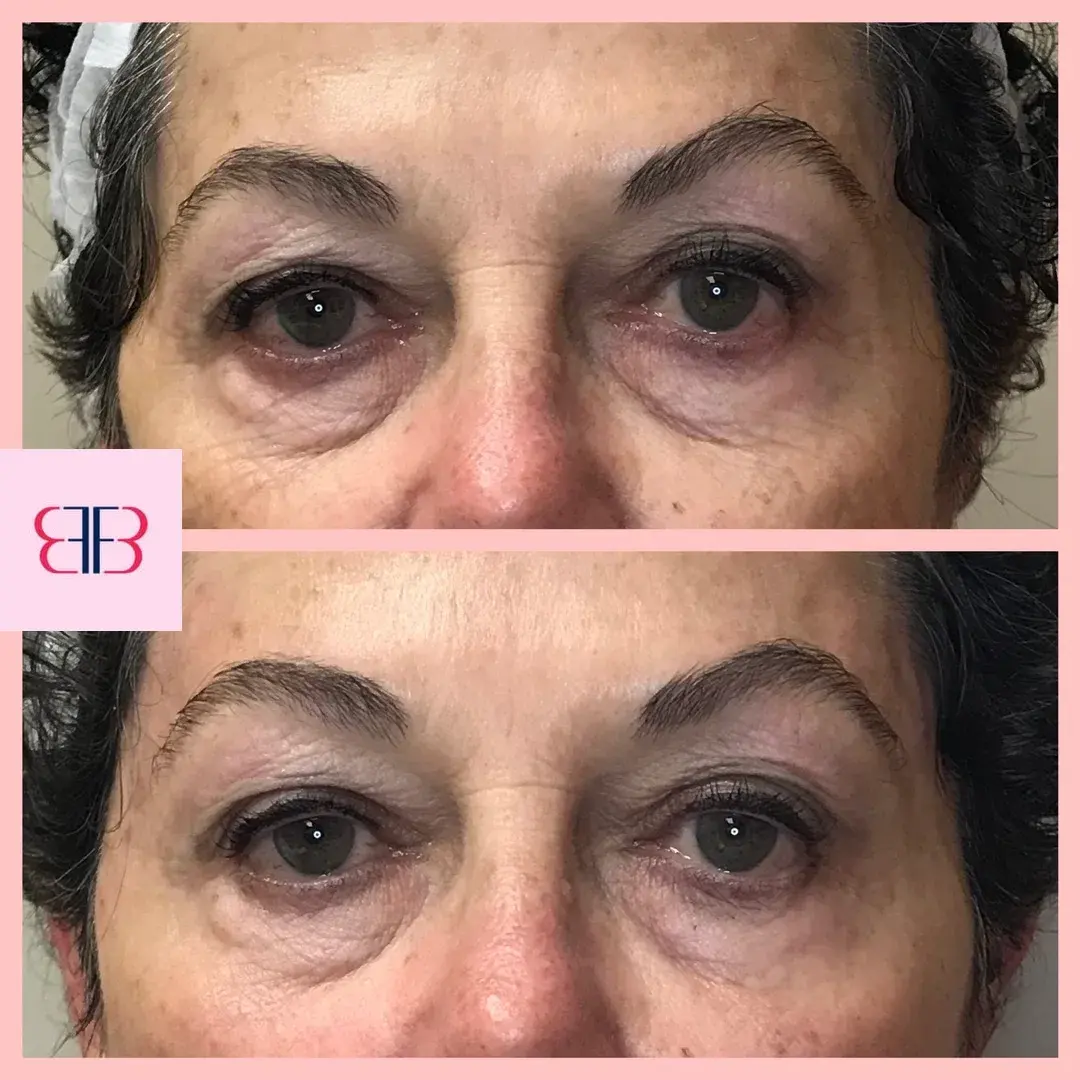
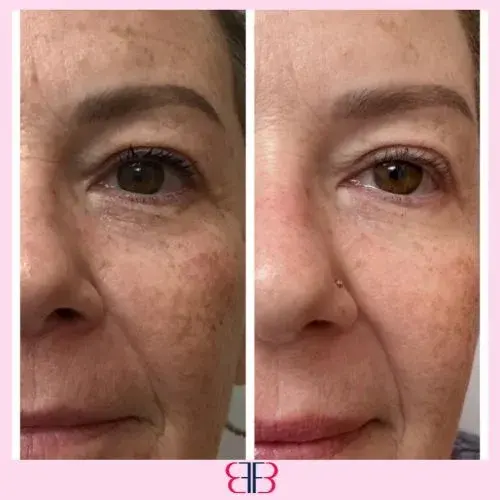
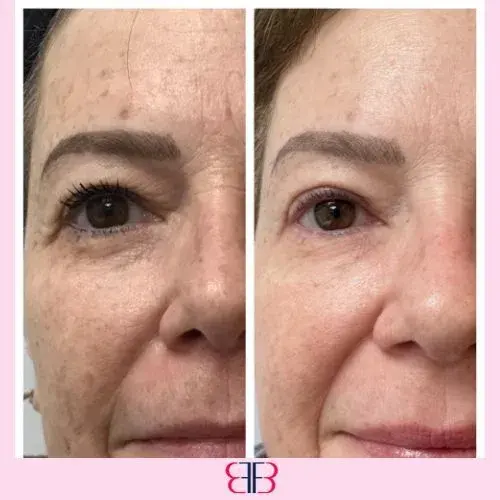
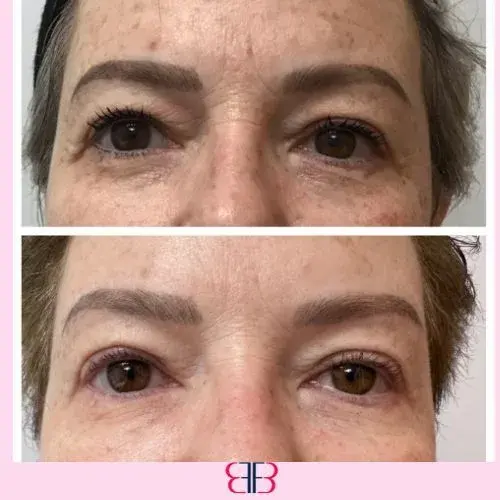
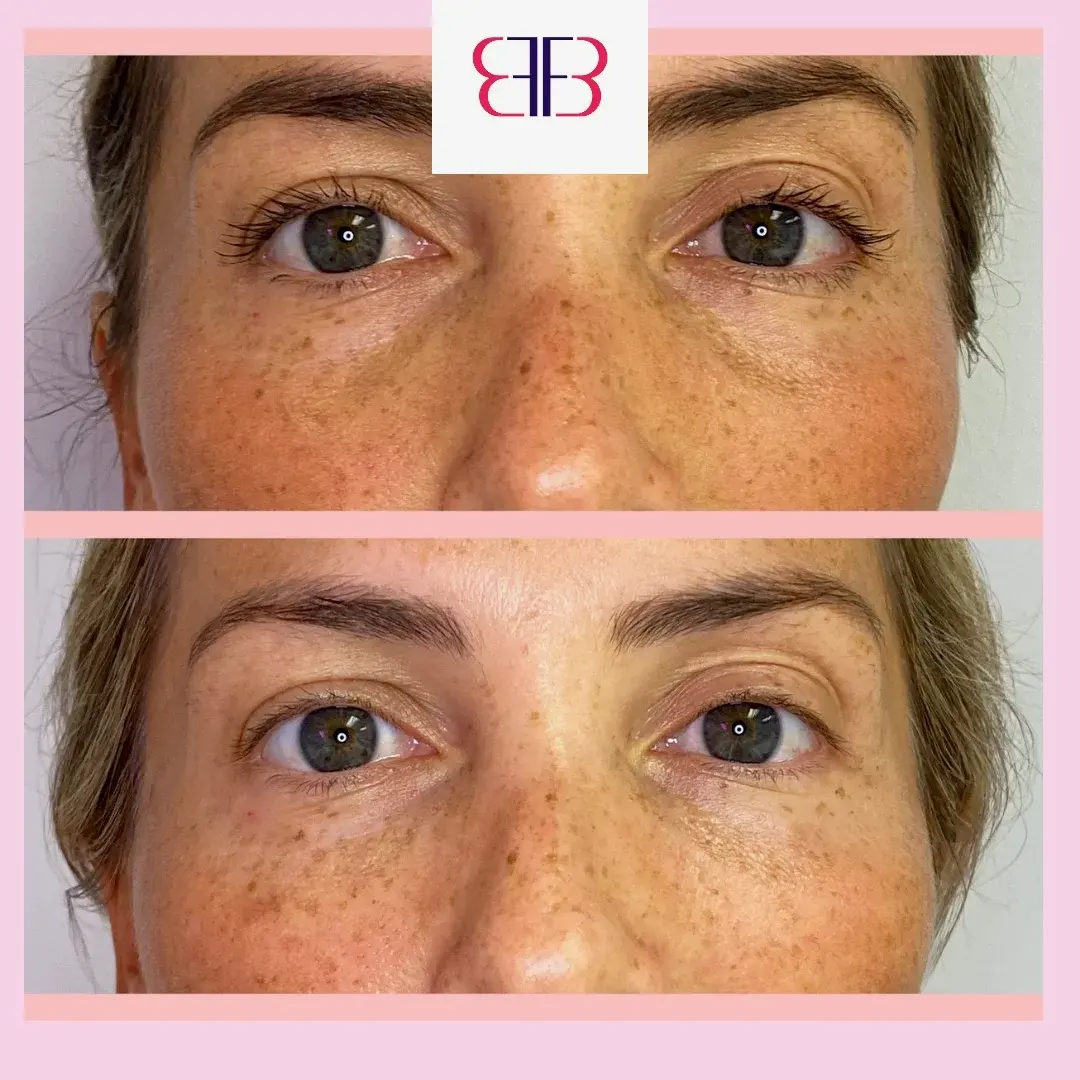
under eye filler before and after
01

What Is Under Eye Filler?

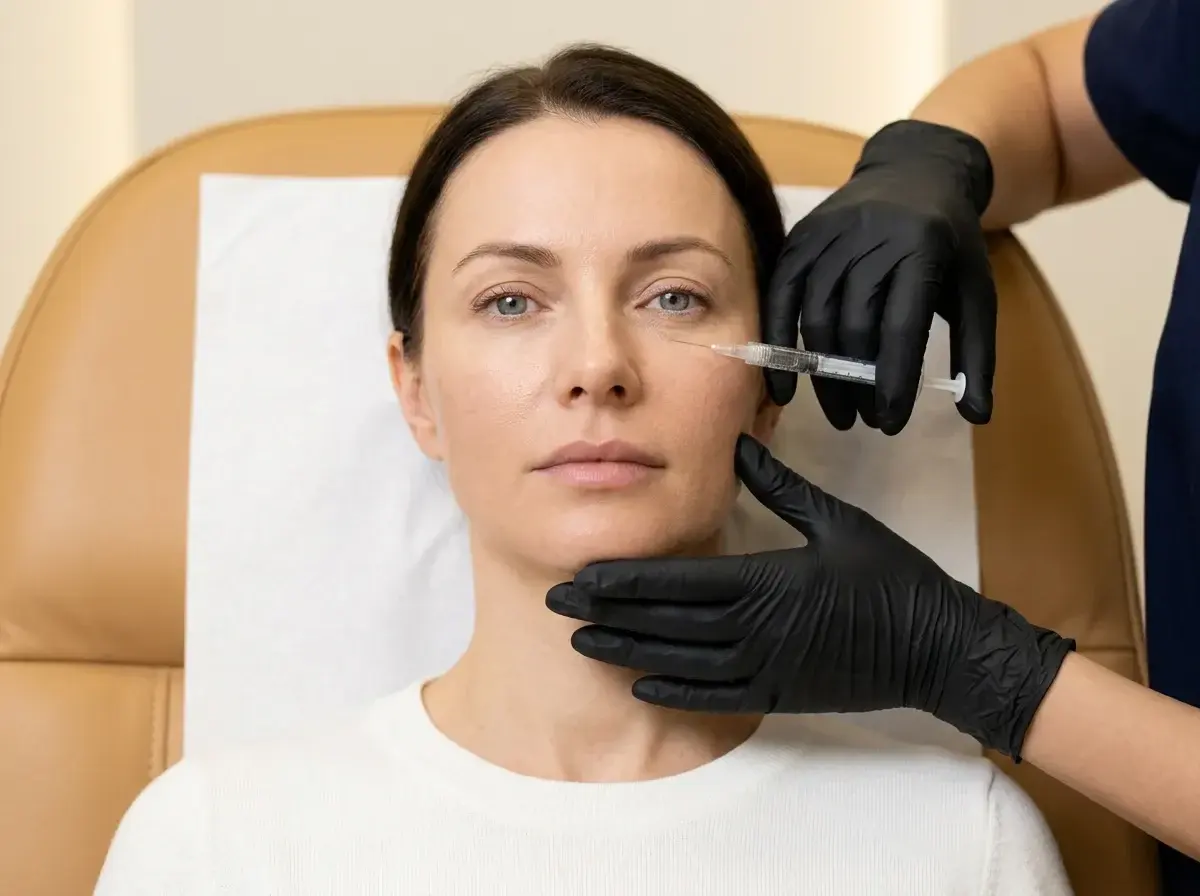
Under eye filler is an injection of soft hyaluronic acid gel, usually Redensity, into the groove that runs between the lower lid and the cheek. Small deposits go in deep, against the orbital rim, so the gel sits well under thin lower-lid skin where it will not show through. The gel replaces the support the hollow has lost, which raises the floor of the trough so the groove no longer casts a shadow. That shadow is what most people mistake for a dark circle, so the area looks brighter once light reaches the skin again. The hollow looks softer the day the gel is placed, swelling resolves over about two weeks, and the result is reviewed after that. Hyaluronic acid dissolves with hyaluronidase, so the treatment is reversible. PRF, spun from your own blood, is the alternative where the concern is the quality of the skin over the hollow.


02

Under Eye Filler at Beauty and Fly

Under-eye filler at the Bronxville and Bridgehampton offices uses a soft hyaluronic acid, usually RHA Redensity, placed deep along the tear trough. A blunt cannula is used where the tissue allows and a fine needle where it does not. The first visit uses a small volume across both sides.

03

Is Under Eye Filler Right for You?

  • Under eye filler suits adults with a true hollow along the tear trough and lower-lid skin firm enough to cover a correction. It works best when the darkness under the eye lifts as soon as gentle pressure raises the hollow.

  • It addresses hollow tear troughs, dark circles caused by shadow, and a visible edge where the lower lid meets the cheek, where cheek support is often rebuilt first.

  • Lower lids that are swollen in the morning and flatter by afternoon are holding fluid, and hyaluronic acid draws in more water, so skin quality is addressed first. A fat pad bulging over the rim is a surgical question, and pigment in the skin does not improve with filler.

04

What Are the Benefits of Under Eye Filler?

The hollow looks softer as soon as treatment ends, and the under-eye looks brighter once the groove no longer casts a shadow. Because the lower lid moves very little compared with the mouth, filler placed here breaks down more slowly than lip filler. Swelling and a small bruise are common in the first days, and the result is reviewed at a follow-up visit about two weeks later. Hyaluronic acid can be dissolved with hyaluronidase if the result is not what you wanted. Dermal filler is $750 to $900 per syringe, and most under-eye treatments use less than a full syringe. Consultations are complimentary and there is no deposit.

Under-Eye Treatment Focus

What Sits Behind an Under-Eye Shadow

Hollow Tear Troughs

Hollow Tear Troughs

The groove between your lower lid and your cheek collects shadow, and that shadow is what people mistake for fatigue. A little support is rebuilt along the trough so the step down from lid to cheek softens.

Treatments+

A soft hyaluronic acid, usually Redensity, goes deep along the groove in small deposits. A small amount is placed at the first visit and reviewed once swelling has resolved.

Causes+

The fat pads under the eye thin with age and midface support drops, so the groove between lid and cheek deepens and holds shadow.

Learn more

How an Under-Eye Changes

What the area does over the first two weeks

Tap to flip

Immediate Change

Day one · first change

The hollow looks softer the moment treatment ends. Swelling is normal in this area and so is a bruise, because the skin over the trough is very thin. That first night, avoid touching the area: no rubbing, no sleeping face-down.

Tap to flip

First Two Weeks

Early weeks · healing

Swelling resolves over the first week or two while the filler integrates with the surrounding tissue. Light puffiness through day ten to fourteen is common and passes on its own. The result is reviewed at a follow-up visit once the swelling has fully resolved.

Tap to flip

Final Result

Full result · natural finish

Once the swelling has resolved, the hollow under the lower lid is shallower and the area looks brighter because the groove no longer casts a shadow. The lower lid moves very little compared with the mouth, so filler placed here usually breaks down more slowly than lip filler, though that varies with the product used and how quickly your body breaks it down. How long a result should hold in your own case is explained at the consultation.

Depth Decides an Under-Eye Result

Under-Eye Depth

Depth Decides an Under-Eye Result

Catherine Curtin, MSN, FNP-C, has nearly 20 years of experience with aesthetic injectables. Under the eye, filler is placed deep against the orbital rim, because lower-lid skin is thin and a shallow deposit shows through it.

Under-eye treatment is staged over two or more visits. A small volume goes in at the first visit, and the result is reviewed at a follow-up once the swelling has resolved. Whether a little more filler or PRF is placed is decided then, with the healed under-eye in front of you.

Under the eye the product is a soft, low-density hyaluronic acid, usually RHA Redensity. Where the skin over the hollow needs thickening, PRF is used. PRF is a newer preparation of platelet-rich plasma, so tear trough PRP and PRF describe the same treatment here.

The under-eye leaves little margin for error, so the assessment covers how thin the skin is and whether the cheek beneath it can carry volume before the first deposit.

Filler Reviews

What Catherine's Filler Patients Have to Say

Feedback from patients who trusted Catherine with this area of the face.

5.0 average (82 Google reviews) · Read all Google reviews →

Catherine is truly the best! I’ve been going to her for Botox, lip filler, and facials, and I’m always so happy with my results. She’s incredibly talented, knowledgeable, and so sweet. Her products…

RC

R. C.

Google review · Bronxville

under eye filler before and after in Bronxville
Under-Eye Before and After

Results From Catherine's Own Patients

Cases treated by Catherine, photographed before and after. She places less at the first visit and adds at the follow-up only where it is needed.

  • Every case here is one of Catherine's own patients
  • Placed in small amounts, then built at the follow-up
  • Proportion first, so the face still reads as yours

Shown for education only. Results vary from one person to the next, and nothing here is a promise of what your own skin will do.

Treatment Process

How Under-Eye Filler and PRF Run, Step by Step

From the first conversation to the follow-up, this is how an under-eye visit runs with filler, with PRF, or with both.

Step 01 · Consultation

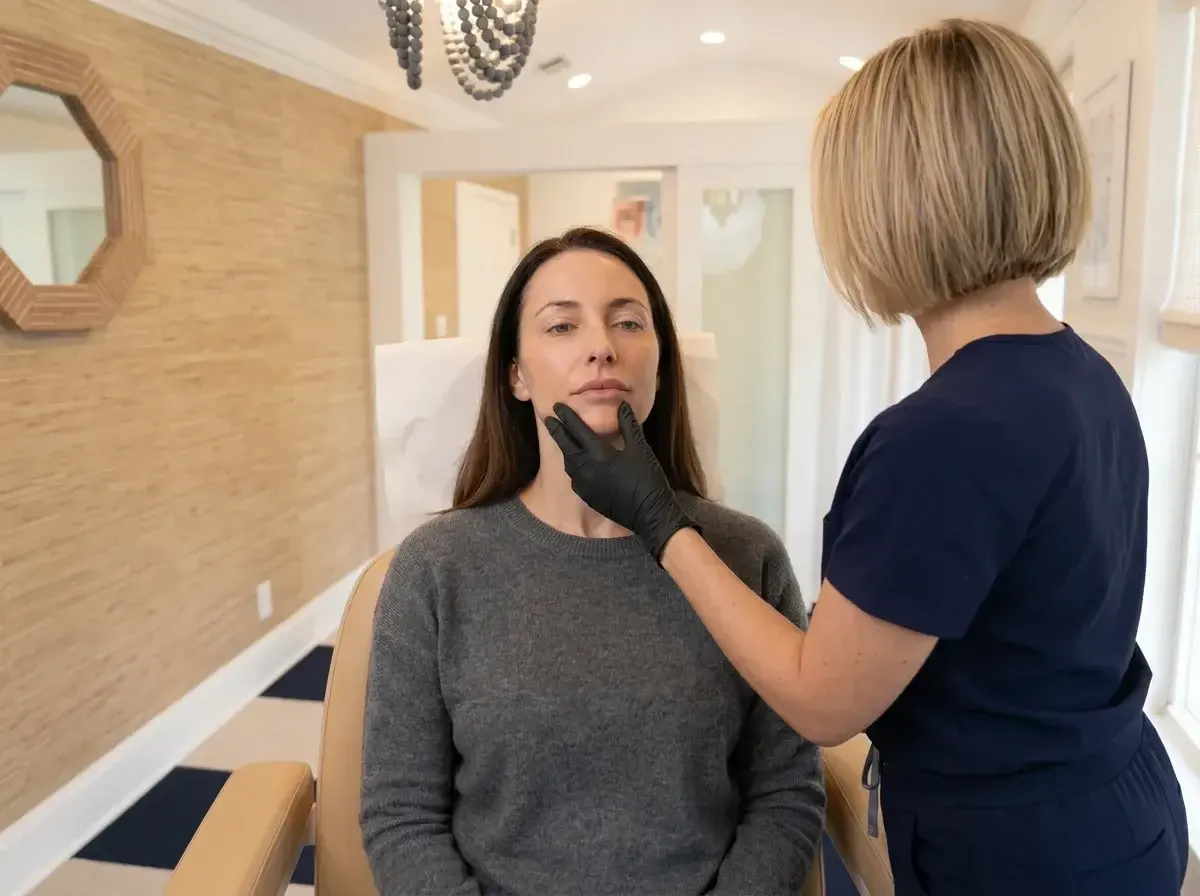
Consultation and Under-Eye Assessment

Catherine looks at how thin your lid skin is and how deep the trough runs, then at whether the cheek below it can support filler. That order determines whether the answer is filler, PRF, or a plan aimed at skin quality.

  • Skin thickness and true depth measured
  • Whether filler, PRF or neither fits
  • You leave with a clear recommendation
Under-Eye Filler treatment process

Treatment Areas

The Areas Treated with Dermal Filler

Anatomy changes from one area to the next, so the technique and the amount placed change with it. Many patients have two or three treated in one visit. Explore them below, or book a complimentary consultation at either office. No deposit.

Jawline Filler
Consultation Required

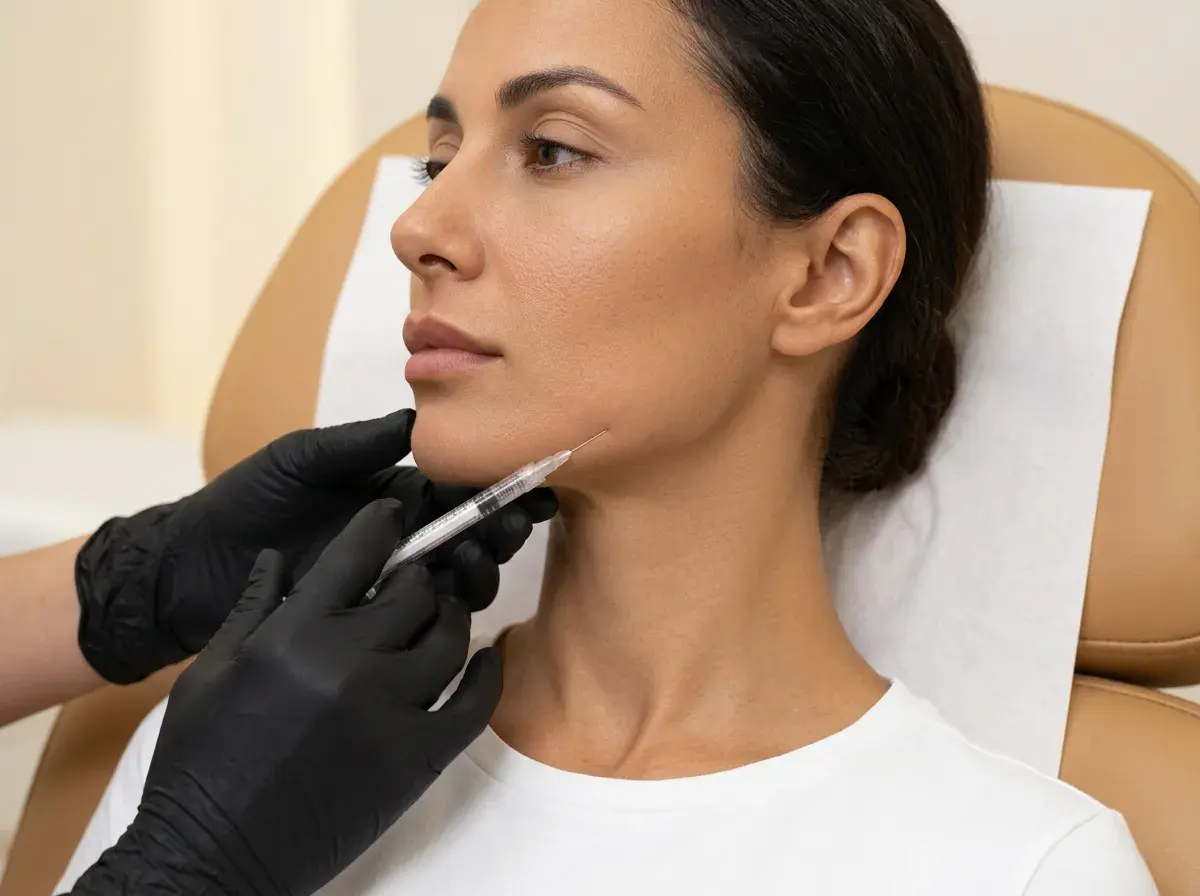
Jawline Filler

Jawline Filler

Consultation Required

The border between your jaw and your neck has softened, and the lower face has lost its edge.

Lip Filler
Consultation Required

Lip Filler

Lip Filler

Consultation Required

Lip filler is a non-surgical injection of hyaluronic acid gel that adds volume, shape and border definition to the…

Beauty Bank, Eye Area

Keeping the Eye Area Supported

Thin under-eye skin holds a result better when it is looked after between visits, so medical-grade skincare usually sits alongside filler or PRF. Neuromodulators are $15.50 per unit, and Beauty Bank members pay less (see the Beauty Bank page). There is no deposit to book, and the consultation itself is complimentary.

  • A skincare plan for thin eye-area skin

  • Members pay less per neuromodulator unit

  • Your eye area looked at every visit

Beauty Bank
Beauty Bank, Eye Area

Under Eye Filler in Westchester and Bridgehampton

Why Patients Choose Beauty and Fly for Under-Eye Filler

Tear trough filler is technique-sensitive, so it is placed deep, in small volumes, and reviewed at a follow-up visit.

Tap to flip

Conservative Dosing

Measured

Under-eye treatment is staged across visits. The first appointment places a small, precise volume of filler. The healed area is examined at a follow-up, and more goes in only where the trough still casts a shadow.

Tap to flip

Cannula Technique

Gentle

For most people a blunt cannula moves through this tissue more kindly than a needle, so soft filler such as Redensity spreads evenly and bruising is less likely.

Tap to flip

Shadow or Pigment

Pigment

Plenty of dark circles are a pigment or skin-quality problem. When that is what Catherine sees, she tells you filler will not fix it and builds the plan around the actual cause.

A full-face assessment comes before any single treatment.

Complimentary consultation. No deposit. A card holds the time.

FAQ

Under-Eye Questions Asked Most

Direct answers on under-eye filler and PRF: what each one does under thin lid skin, how the visit runs, and what it costs.

Under-eye filler carries risk because the lower-lid skin is thin and the trough sits close to the orbital rim. The controls are the product and the depth: a soft, low-density hyaluronic acid such as RHA Redensity, very little of it, placed deep against the bone. Hyaluronic acid can also be dissolved with hyaluronidase if a correction is needed.

Usually, yes. The lower lid moves very little compared with the mouth, and hyaluronic acid placed in a still area breaks down more slowly than filler placed in the lips. How long a result holds depends on which filler is used, how much is placed, and how quickly your body breaks product down, so the expected timeline for your own plan is given at your consultation.

Only when the circle is a shadow thrown by a hollow. If the cause is pigment or crepey skin, filler does very little. Those under-eyes do better on a skin plan built around laser or RF work, with medical-grade skincare underneath it.

Volume is decided once your face has been examined and the depth of the troughs is clear. The first visit is usually a very small amount across both sides. Once swelling has gone, you and Catherine look at it together and decide whether a little more, or PRF, is worth adding.

Dermal filler is $750 to $900 per syringe, and under-eye work is quoted the same way. Most people start with less than a full syringe here, so a first visit usually sits below that figure, and the arithmetic is gone through with you in person. The consultation is complimentary and there is no deposit. You leave knowing how deep the troughs run and what a staged plan would cost before you commit to any of it.

Yes. Hyaluronic acid under the eye dissolves with hyaluronidase, an enzyme that breaks the gel down within a few days. Filler placed years ago that has turned lumpy or heavy is dissolved the same way. The empty trough is then examined again at a later visit.

It is a bluish cast that shows through when filler sits too shallow beneath thin lower-lid skin. Soft product and small volumes placed deep against the bone keep that risk low. If a hint of it ever shows in a result, hyaluronidase takes the product back out, which is why the first pass here is always small.

It suits you best when there are true hollows and the lower lid skin is firm enough to hide a correction. A fat pad bulging over the rim is a surgical question, and filler placed alongside one usually makes the bulge more obvious. Your consultation covers whether filler or PRF suits your trough.

PRF is the one Catherine reaches for most. It is spun from your own blood and placed in the trough, where it works on the quality of the skin over the hollow. The change is gradual, building across a course of visits, so there is little to see on the day. Laser, RF and medical-grade skincare do similar work from the surface. None of this replaces volume once bone and fat have changed, though thicker, brighter skin throws a lighter shadow.
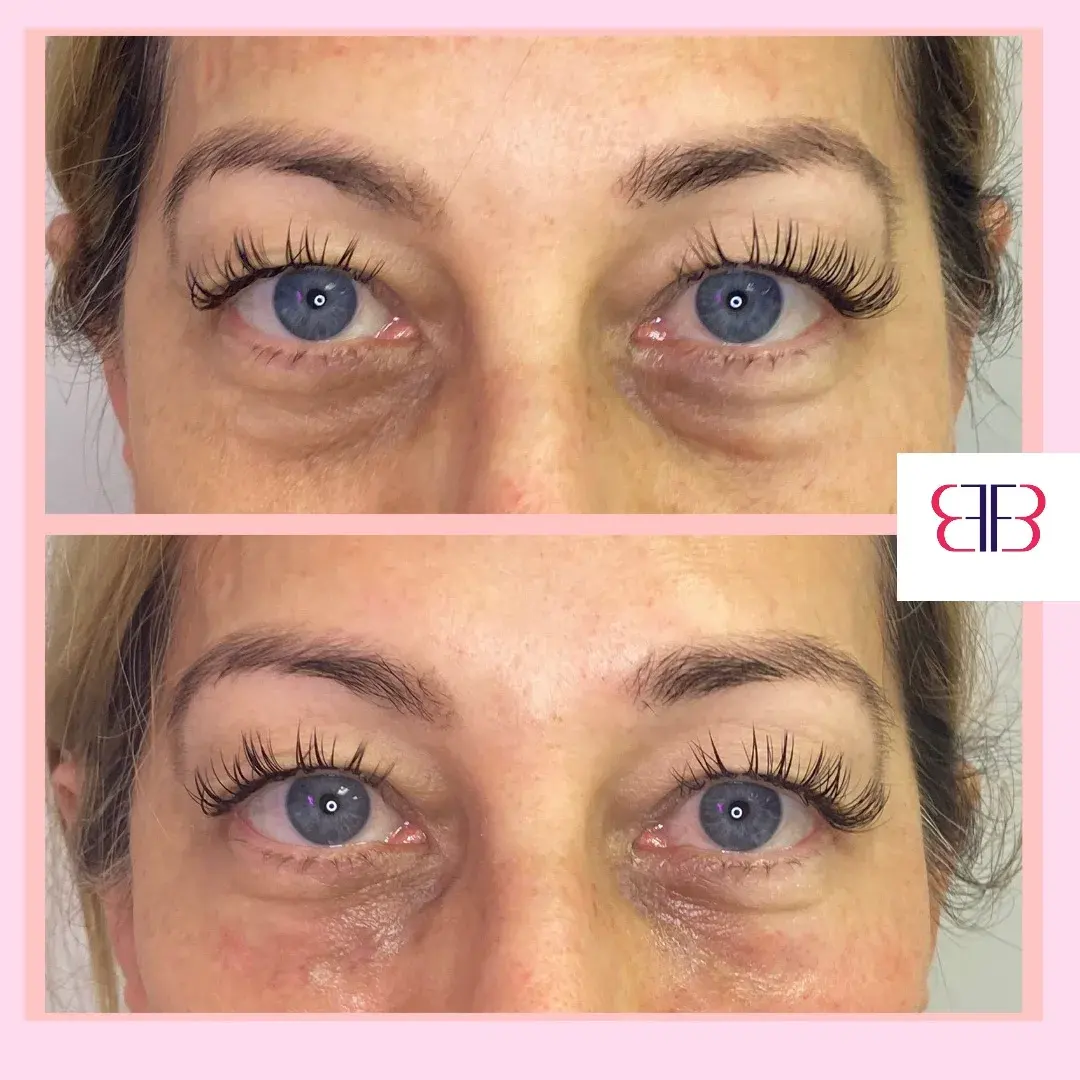
Sometimes. When the midface has dropped and the cheek has lost structure, rebuilding the cheek softens the lid-cheek junction and the bag stops reading as a bag, with nothing placed in the lid at all. That is often the whole treatment. If the cause is herniated fat or loose lid skin, that is surgical territory and filler will not answer it.