

Excessive Sweating
Excessive sweating can be treated.
Hyperhidrosis is sweating far past what the body needs for cooling, most often in the underarms or palms. The nerves keep switching the sweat glands on, which is why a stronger antiperspirant runs out of answers. Botox for sweating is covered on its own page.

Excessive Sweating
Excessive sweating can be treated.
Hyperhidrosis is sweating far past what the body needs for cooling, most often in the underarms or palms. The nerves keep switching the sweat glands on, which is why a stronger antiperspirant runs out of answers. Botox for sweating is covered on its own page.
CONCERN & CAUSES
What Drives Excessive Sweating
Most people arrive with one description, that they sweat too much. What shapes treatment is the detail: which areas sweat, and how long it has gone on.
01
Primary Hyperhidrosis
Sweating concentrated in set areas, usually the underarms or the palms. It tends to begin in the teenage years, carries no medical cause underneath it, and often runs in families.
02
Secondary Generalized Sweating
Secondary sweating affects the whole body and has another cause behind it, such as a thyroid change or a medication. Night sweats, fever, unexplained weight loss or sweating that is new in adulthood warrant a review with your primary care provider.
03
Trigger-Driven Episodes
Heat and emotional stress can switch the glands on well beyond what cooling requires. Warm surroundings or a period of stress can leave the palms and underarms damp with no physical exertion involved.
04
Overactive Gland Signaling
The sympathetic nerves send too many on-signals to the sweat glands, sometimes continuously and sometimes at the smallest cue. The glands themselves are healthy. What has gone wrong is how often and how strongly they are being told to produce sweat.
Treatment Benefits
Where Hyperhidrosis Starts and What Reduces It
Overactive nerve signaling drives the sweating, so that is where treatment goes. Botox blocks that signal at the gland, and the dose is set from where and how heavily you sweat. Catherine Curtin, MSN, FNP-C, has nearly 20 years in aesthetic medicine.
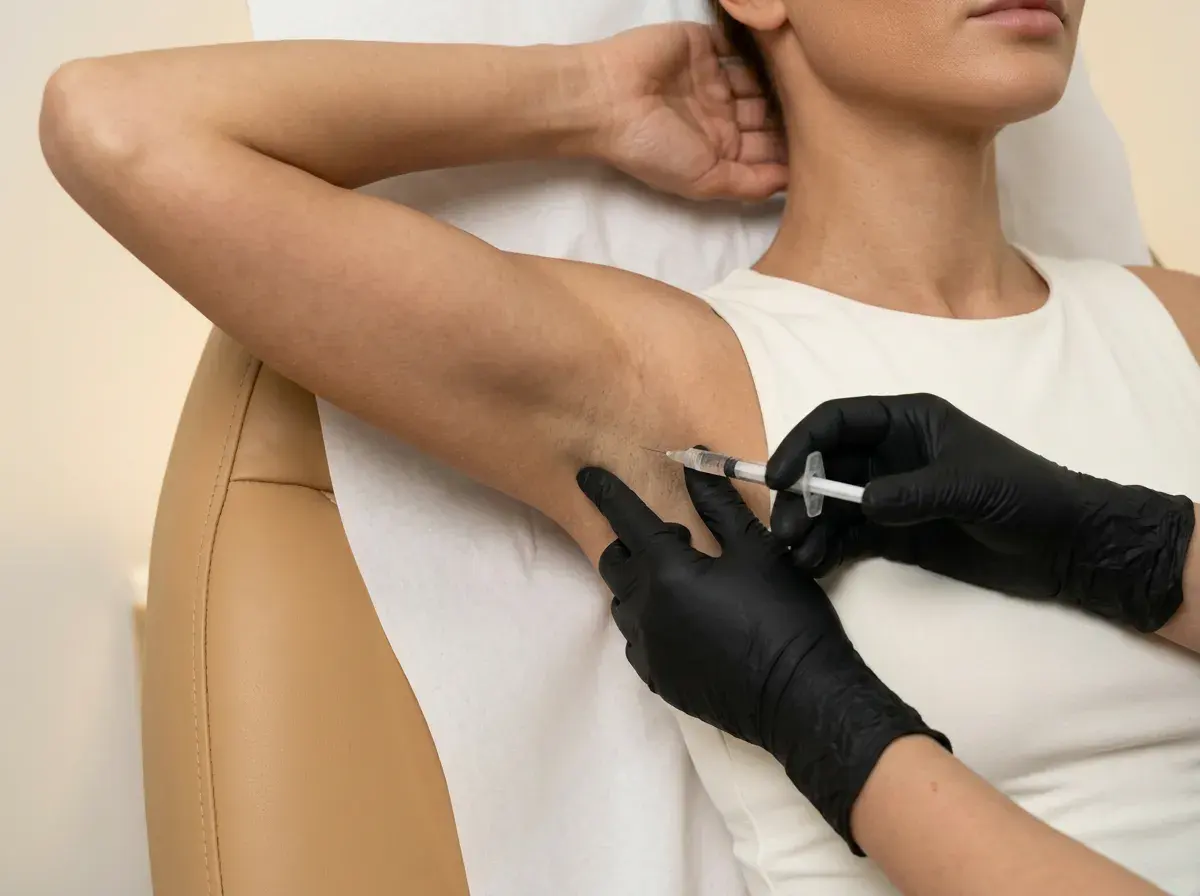
Botox for Hyperhidrosis
A medical use of botulinum toxin for excessive sweating. Small injections in a grid pattern pause the chemical signal that tells the sweat glands to activate in the treated zone.
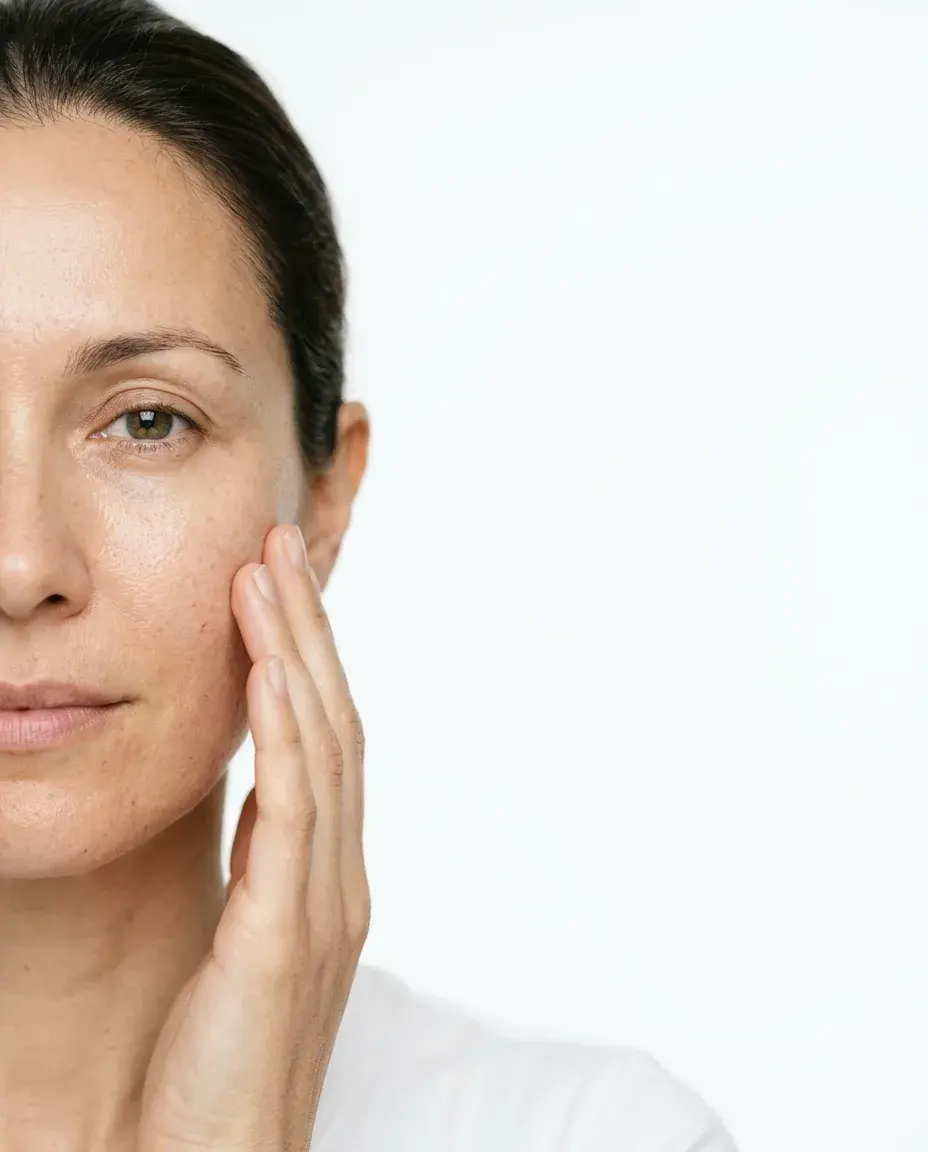
How to Care for the Underarm After Treatment
Botox keeps the treated glands from producing sweat for several months. What you do at home over the first day or two keeps the skin comfortable and protects the result between visits.

Cleanse Gently

Stay Out of the Heat

Hydrate the Skin

Hold Off on Antiperspirant

When to Rebook
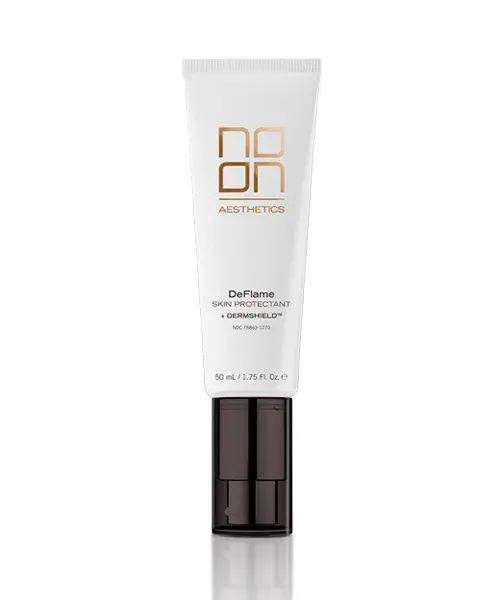
Recommended Skincare Support
Calming the Skin After Treatment
Noon Aesthetics DeFlame is recommended after treatment. The calming, non-stripping formula keeps a freshly treated underarm clean and comfortable while the skin recovers.








The Beauty Bank
What Membership Is For
Members pay less per unit.
Neuromodulators are $15.50 per unit. Catherine goes through the options at a complimentary consultation. There is no deposit. Members pay less per unit; the figures are on the Beauty Bank page.
One fee each month, with no deposit
Use it at either office, Bronxville or Bridgehampton
Your complimentary consultation is with Catherine Curtin, MSN, FNP-C



A full-face assessment comes before any single treatment.
Complimentary consultation. No deposit. A card holds the time.
FAQ
Common Questions About
Excessive Sweating
Botox has been used for excessive underarm sweating for many years. Side effects are usually mild and stay in the area treated. Your medical history and your medications are reviewed with you at the consultation.
Most people stay noticeably drier for months. At your consultation you are given the timeline seen in Bronxville and Bridgehampton patients, so you know when to plan your next visit.
The underarms hold a small share of the body's sweat glands, so the rest of your skin still does most of the temperature work. Most people notice the change in what they can wear and nowhere else. If you sweat heavily across your whole body as well, tell Catherine, and she will look at whether something broader is driving it.
It depends on how many units your sweat pattern takes. The underarm is mapped at the consultation, and the quote follows from the areas and the dose agreed there. Full pricing sits on the Botox for sweating page. The consultation is complimentary and there is no deposit.
Treating the underarms does not usually push sweating somewhere else. That kind of compensatory sweating is far more associated with surgery on the nerves. If you notice anything new after treatment, tell Catherine at your follow-up and she will look at it with you.
The consultation runs about 45 minutes and is complimentary. The pattern of your sweating is examined, and the areas to be treated and the dose are agreed with you there.
Dryness usually begins to show in the first days and keeps building from there. At your follow-up, how evenly it has taken is checked, any spot that still bothers you is heard, and a decision is made on whether a small additional dose is worth adding.
A clinical-strength antiperspirant is the usual first step for most people. If it no longer controls the sweating, or never did, injections are what the consultation goes on to review.
Some plans contribute toward hyperhidrosis treatment and some do not, and the rules vary widely from one plan to the next. Check your own coverage directly with your insurer before your visit, and bring whatever they tell you to your consultation.
Often, though it is not promised. Underarm odor comes from bacteria working on moisture, so when the area stays drier, most people find the smell eases with it. If odor is the main thing bothering you, mention it at your consultation and Catherine will go through what to expect.
The underarms are where most people start. Other zones, including the palms, are reviewed at your consultation, and what treating them involves, from the areas marked to the dose, is explained there.