

Frown Lines
Frown lines that stay put when you stop frowning.
Frown lines are the two vertical creases above the nose, often called 11 lines. They form because the corrugator and procerus muscles draw the brows in and down each time you concentrate. Early on the crease goes as the muscles let go. Once the collagen in that skin thins, the fold holds at rest.

Frown Lines
Frown lines that stay put when you stop frowning.
Frown lines are the two vertical creases above the nose, often called 11 lines. They form because the corrugator and procerus muscles draw the brows in and down each time you concentrate. Early on the crease goes as the muscles let go. Once the collagen in that skin thins, the fold holds at rest.
CONCERN & CAUSES
What Puts the 11 Lines There, and What Keeps Them
Most people call them 11 lines. What drives one frown is rarely what drives the next, and the dose and the depth change with it, along with whether the skin itself needs work.
01
Muscle Pull
The corrugator and the procerus draw your brows in and down every time you concentrate. Thousands of small folds a day, always in the same place.
02
Dynamic Frown Lines
The crease shows on expression and is gone once your face lets go. Easing the pull at this stage is intended to limit how much deeper the line carves in over time.
03
Static Frown Lines
Here the crease shows at rest. The muscle still drives it, and the skin has molded around the groove. No filler goes between the brows: the vessels there make that too risky. The second layer works on the skin itself.
04
Collagen Loss Underneath
Collagen and elastin thin with the years, so skin stops springing back from a fold. That is when a line you only saw on expression starts living in your face all the time.
Treatment Benefits
Treatments That Soften The 11 Lines Between Your Brows
Two things hold a frown line: the muscle that folds the skin, and the skin once the groove has set. Botox eases the muscle first, then collagen work rebuilds the dermis. Catherine was a national trainer for the Allergan Medical Institute from 2021 to 2026.
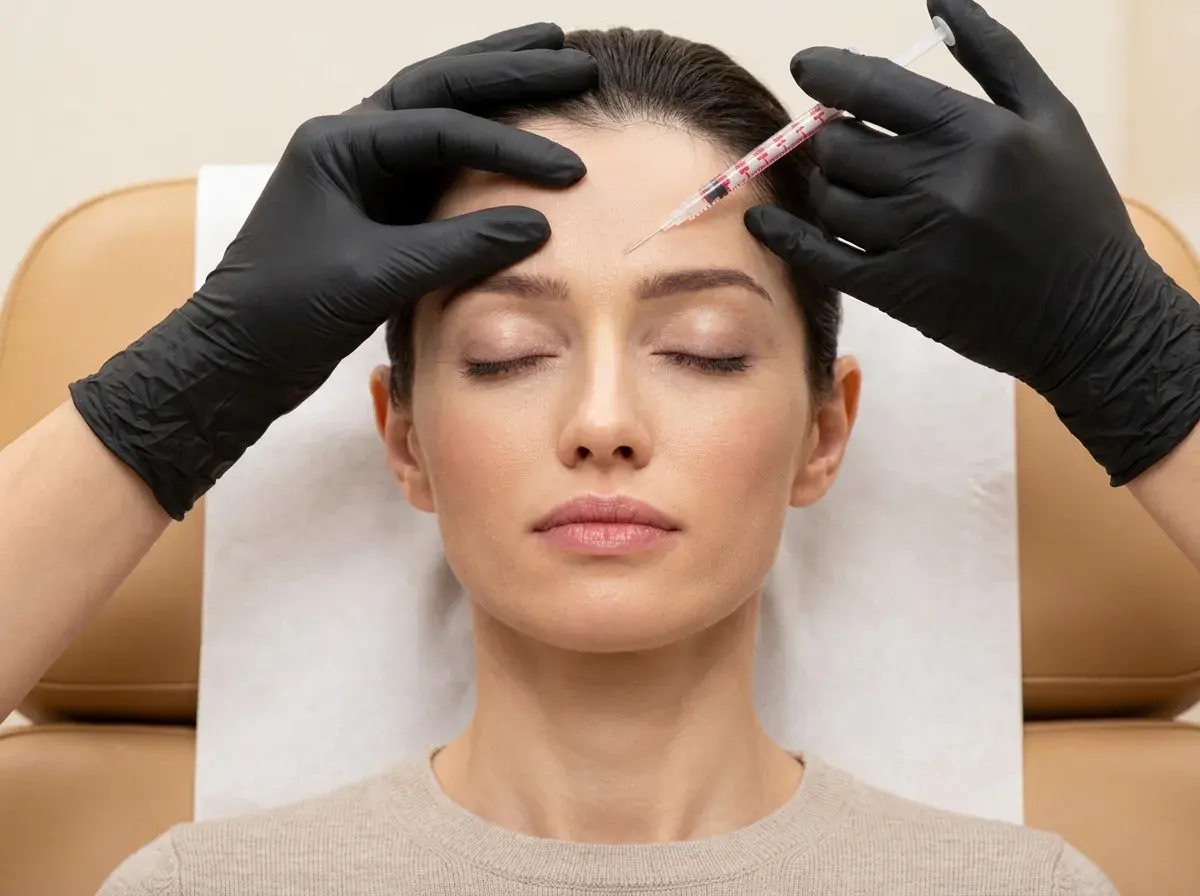
Botox
Botox and Dysport are neuromodulators used for the lines between the brows. Small doses go into the corrugator and procerus, the muscle groups that draw the brows together. The product is chosen at your consultation.
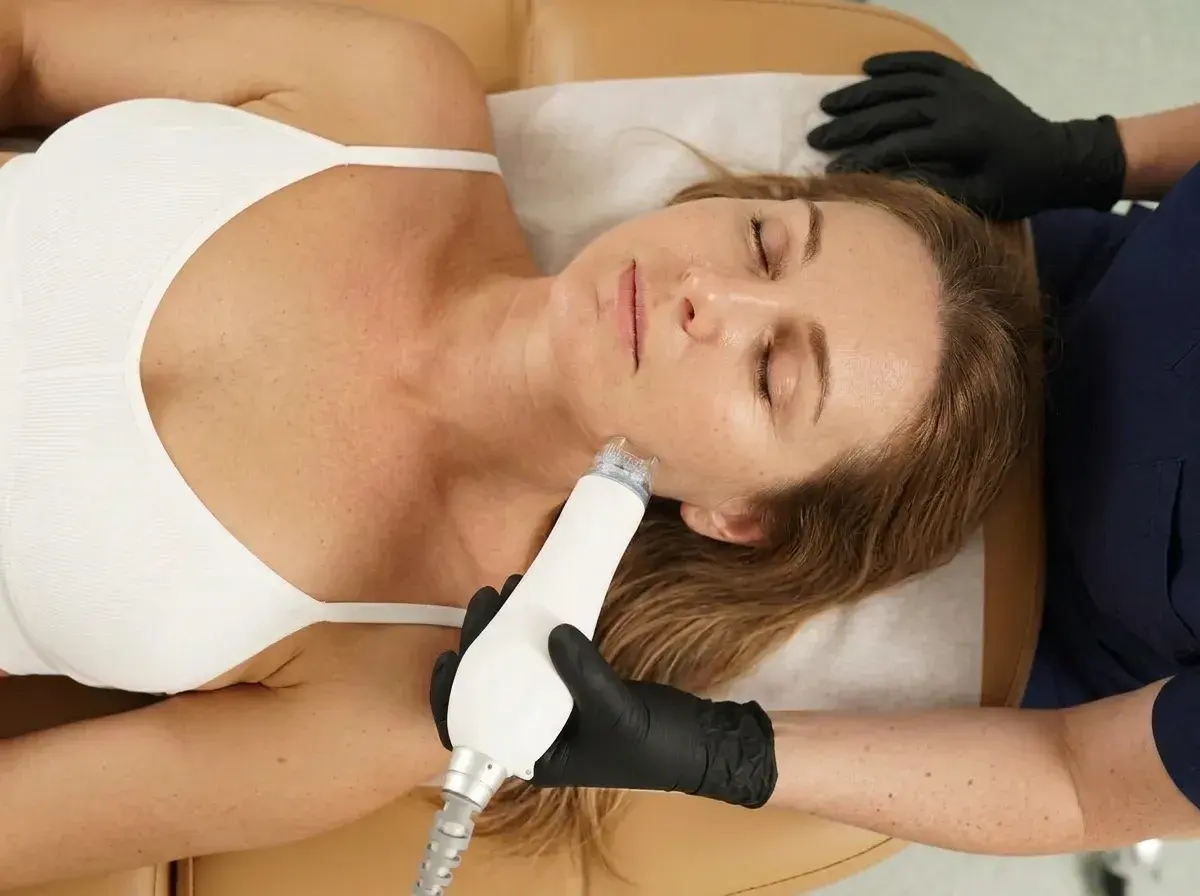
RF Microneedling
Vivace RF microneedling. Fine channels carry radiofrequency to a set depth, prompting new collagen where the dermis around the crease has thinned.
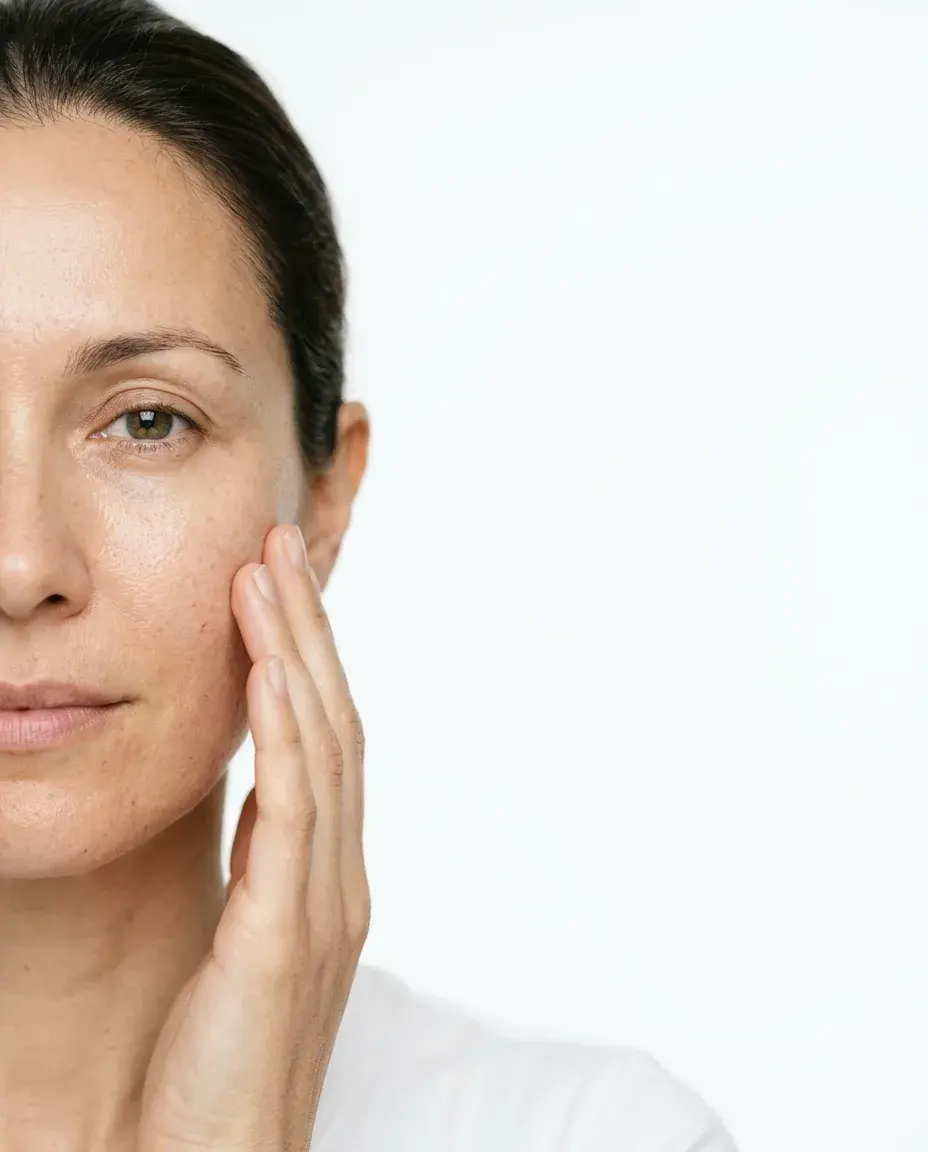
Caring for the Skin Between Visits Between Treatments
Easing the muscle does most of the work. The skin over that crease still takes daily sun and dryness, and these habits protect the quality that carries a treated frown between visits.

Cleanse Gently

Treat With Retinoids

Cushion Thin Skin

Rest the Muscles

Protect Daily
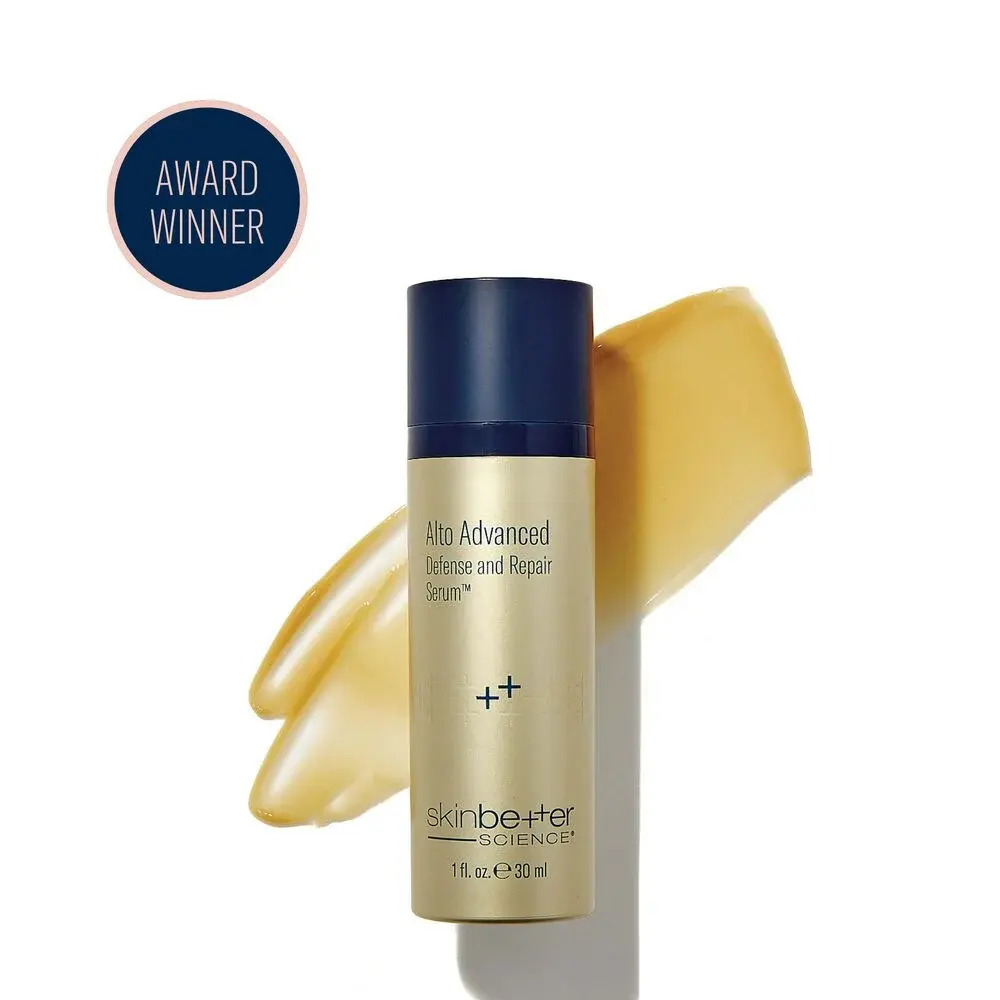
Recommended Skincare Support
SkinBetter Science for the brow
The brow gets less attention than the rest of the face and takes more light. SkinBetter Science is stocked at both offices and the strength is matched to what your skin already tolerates, so the antioxidant and barrier steps carry a treated frown between visits.








The Beauty Bank
What Membership Is For
Members pay less per unit.
Neuromodulators are $15.50 per unit. Catherine goes through the options at a complimentary consultation. There is no deposit. Members pay less per unit; the figures are on the Beauty Bank page.
One fee each month, with no deposit
Use it at either office, Bronxville or Bridgehampton
Your complimentary consultation is with Catherine Curtin, MSN, FNP-C



A full-face assessment comes before any single treatment.
Complimentary consultation. No deposit. A card holds the time.
FAQ
Common Questions About
Frown Lines Treatment
Botox between the brows usually holds three to four months before the frown starts to come back. How strong your pull is and how your body breaks the product down both shift that. Treatment is repeated when movement returns, and the result is reviewed at a follow-up visit.
A dynamic 11 line shows when you frown or focus and disappears the second your face lets go. A static one is there whether you are frowning or not. The first usually answers to Botox on its own. The second needs Botox plus collagen work, because the skin has taken the shape of the fold.
Botox calms the pull that keeps folding the skin between your brows. On a shallower line that often means the crease is gone at rest. A deep, long-standing groove usually softens, and how much varies from person to person.
Some frowns pull harder than others, and a dose that suits one person barely moves another. The start is measured, then you are seen at two weeks and more is added where the pull is still winning. If Botox is answering less well than it used to, a move to Dysport is an option.
The dose is measured per side to ease the corrugator while your brow keeps its position. At your two-week follow-up you should still be able to furrow a little. The frown reads softer and your expression is preserved.
Botox is $15.50 per unit, and $13.95 per unit for Beauty Bank members. Vivace RF microneedling is $900 per session or $2,500 for three sessions, and a series of three or more is usually recommended; that price is the same for members. Your in-person consultation is complimentary, there is no deposit, and you get the numbers before you decide.
Botox has almost none. Small raised bumps go down soon after, and the occasional bruise is easy to cover. Vivace RF microneedling leaves the skin pink and warm for a short period while it recovers, so that session is timed around what you have coming up that week.
Yes, and it is usually suggested. Treating the 11 lines alone can leave the rest of the upper face looking busier by comparison. The forehead and crow's feet are assessed at your consultation, and any combined treatment is set after that assessment.
Botox is not instant. The frown begins easing over the first few days, and the full result is checked at your two-week follow-up. Skin work moves slower. Texture and etched lines improve gradually across a series.
A neuromodulator wears off, so the muscle activity and the line come back over several months. Most patients treat a few times a year. Collagen work holds longer once you have built a baseline, and then needs only occasional upkeep.