Skip to content
(917) 300-0011

Types of VI Peels

  • •Medium-Depth Medical Peel
  • •A Formula for Each Concern
  • •Sequenced With Microneedling
  • •Options for Deeper Skin Tones

The VI Peel is a medical-grade chemical peel that comes in four groups of formula. One is built for congested, breakout-prone skin, another for sun damage and uneven tone. There is a stronger version for pigment that earlier peels did not shift, and a lighter option for rough texture.

5.0★ · 82 Google Reviews

Types of VI Peels
01

What Is a VI Peel?

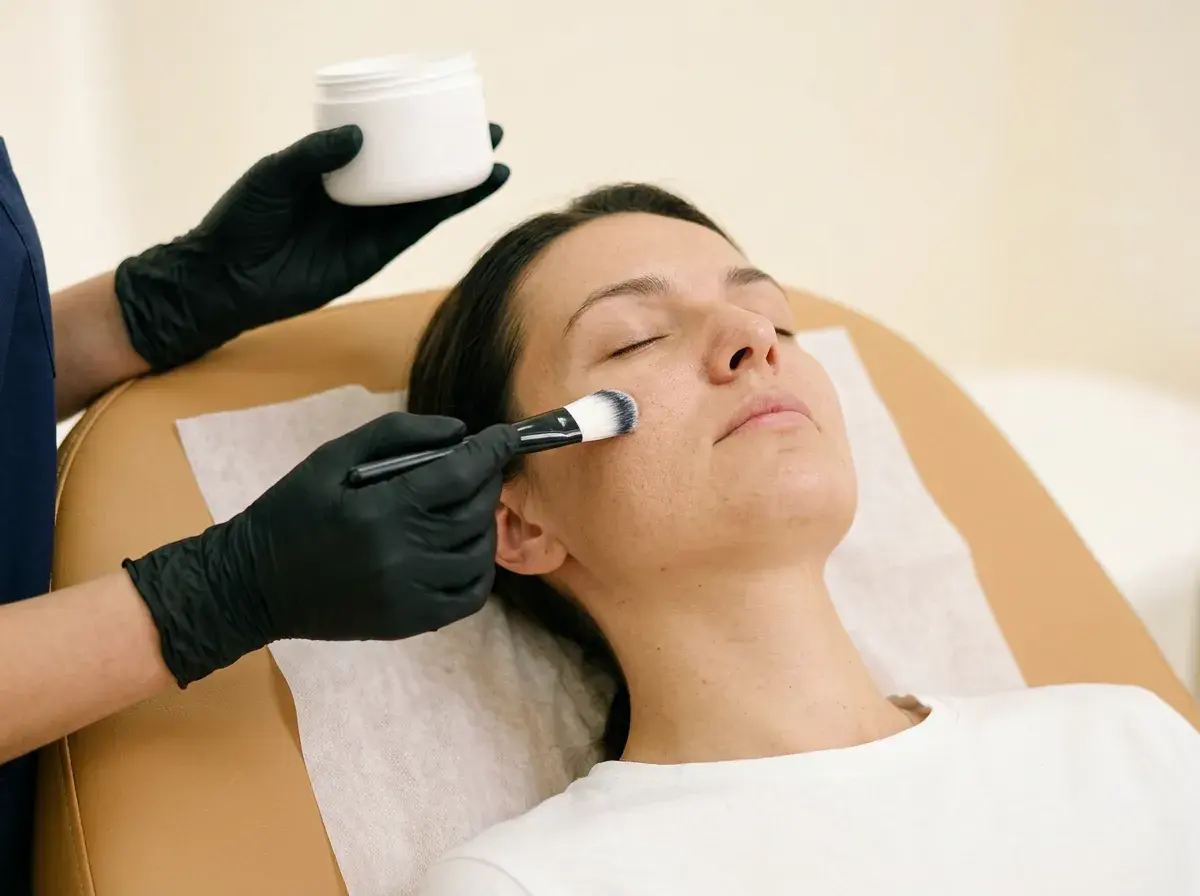
A VI Peel is a medical-grade chemical peel that combines TCA (trichloroacetic acid), salicylic acid, retinoic acid, phenol and vitamin C in one multi-layered application. The solution is brushed on in light, even passes and stays on the skin for a few hours. You then begin the home-care kit given to you at the office. Those acids loosen damaged surface layers so they shed over the following days, and they prompt collagen production and newer skin cells underneath. Sun spots and post-breakout discoloration look lighter, and fine lines soften, as that new surface comes through. The line includes several formulas, each mixed at a set strength, and the depth of a peel is set by how many layers go on.

02

VI Peels at Beauty and Fly

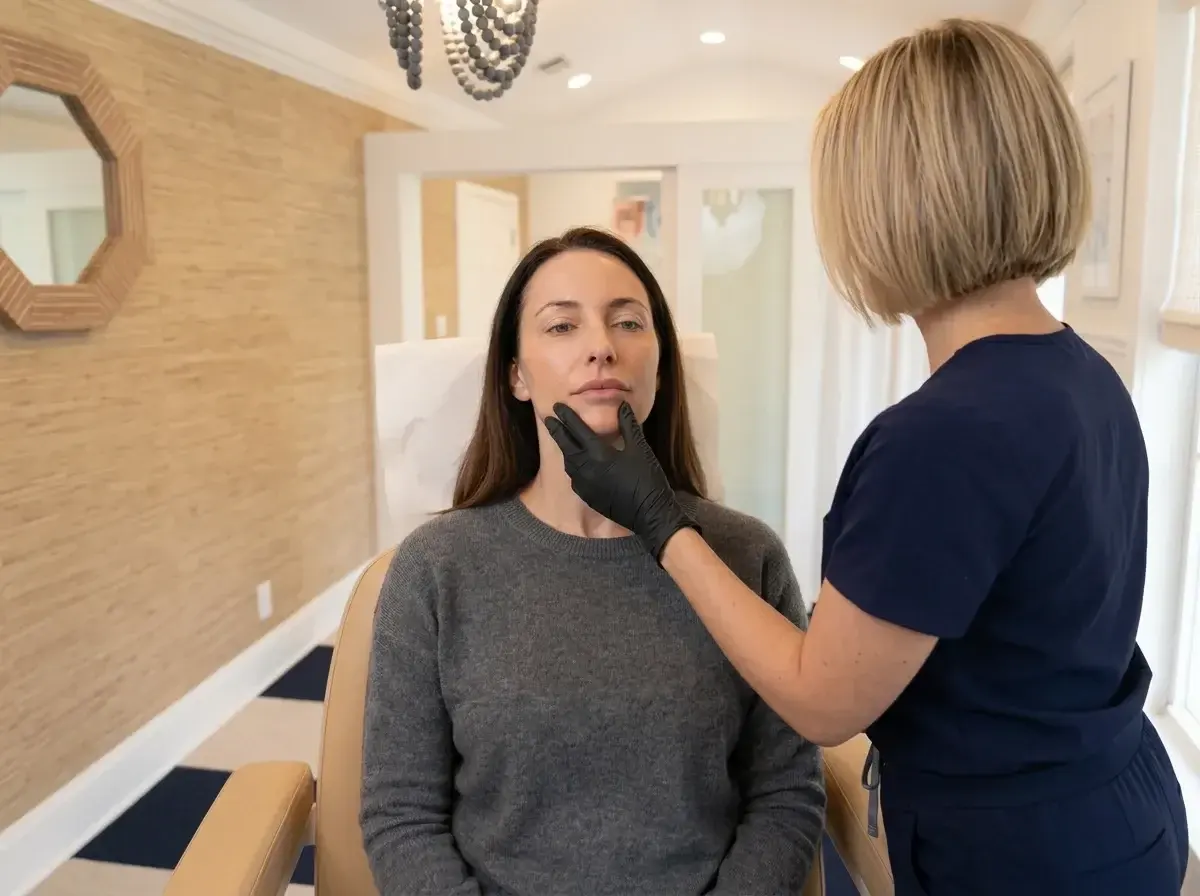
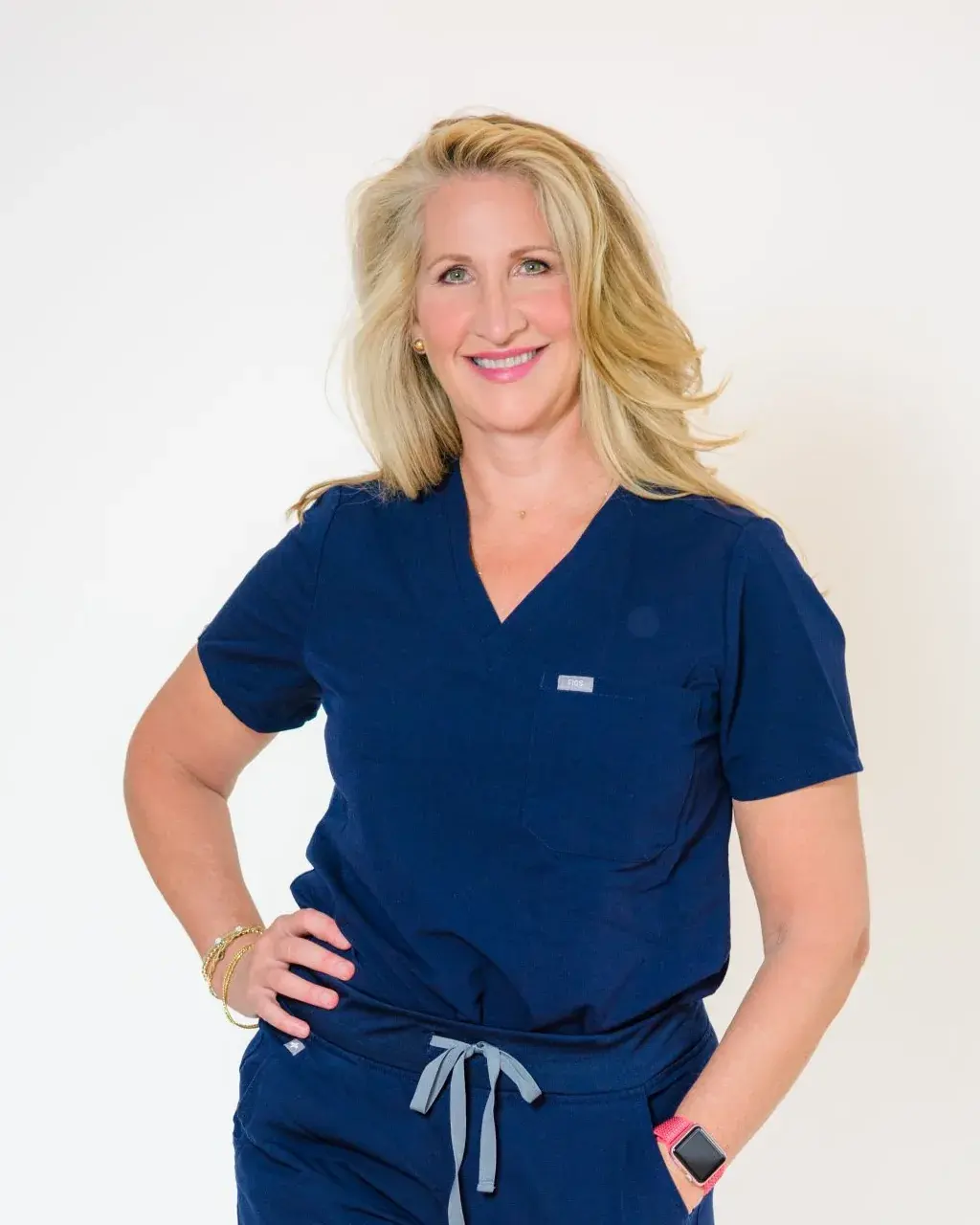
VI Peels are performed by Catherine Curtin, MSN, FNP-C, at the Bronxville and Bridgehampton offices. She examines your skin in daylight, reviews past peels, lasers and how your skin reacted to them, then sets the formula, the strength and the number of layers, starting at the low end and building across a series.

03

Is a VI Peel Right for You?

  • A VI Peel suits most skin types, including medium and deeper skin tones, where sun damage, uneven tone, congested breakout-prone skin or fine lines are the concern. Several of the formulas are gentle enough for reactive skin, and the starting strength is kept low.

  • It addresses sun spots and blotchy tone, discoloration that has not faded on its own, active breakouts and the marks left behind, fine lines and crepey skin on the face, neck and chest, and rough texture with visible pores.

  • Skin that is inflamed or raw on the day is calmed first and the peel is rescheduled. Tell Catherine about every retinoid you use, and about cold sores, pregnancy or breastfeeding, because each one changes what is scheduled and when.

04

What Are the Benefits of a VI Peel?

Brightness lifts after one peel, and across a series the tone evens out as pigment is cleared and the surface is replaced faster than it was before. Texture is smoother and fine lines soften as new collagen forms underneath. Because the formulas are standardized, the strength is the same in every box and each session can build on the last. Most people go back to work straight after the appointment, then have several days of visible flaking that usually starts around the mouth. Consultations are complimentary and there is no deposit.

VI Peel Treatment Goals

What a VI Peel Is Good At

Acne and Post-Breakout Marks

Acne and Post-Breakout Marks

The acne formula is built for oily, congested skin that breaks out in the same places. It works on the pore itself and, for most people, on how long the mark left behind stays visible.

Treatments+

Catherine chooses the acne formula when active breakouts are the main problem and the marks they leave are secondary. If the breakouts have cleared and only the discoloration remains, a brightening formula is usually the better choice.

Causes+

Oil and dead cells plug the pore, bacteria multiply inside it, and the inflammation that follows leaves a dark or red mark long after the pimple itself has gone.

Explore this concern

VI Peel Results Timeline

First peel through a full series

Tap to flip

The Day of Your Peel

Day one · pink and tight skin

Your skin may read pink and feel tight. The solution stays on for a few hours, then you start the home-care kit handed to you on the way out. Most people go straight back to work or to their errands.

Tap to flip

Peeling and Shedding Phase

Peel week · the part people see

Shedding usually starts around the mouth and cheeks on day two or three, then moves into larger flakes over the following days. You moisturize and let the skin shed by itself. Picking pulls skin that is not ready to lift, and heat or sun in that window can set the pigment back.

Tap to flip

Series Results Over Time

Over a series · layered change

Each peel lifts a little more pigment than the last and leaves the texture smoother. Across a series most patients see more even tone and clearer skin, and daily SPF with the home-care products keeps that result between sessions.

Selecting the Formula, Strength and Layer Count

How VI Peels Are Layered

Selecting the Formula, Strength and Layer Count

Catherine Curtin, MSN, FNP-C, has nearly 20 years in aesthetic medicine. She selects the VI Peel formula and strength from your skin type, your pigment pattern and how your skin reacted to past peels or lasers. If your skin needs preparing first, you are told what to use at home and for how long.

At the start of the appointment you are told which VI Peel formula is being used, how many layers it will get, and why that strength suits your skin. You also get the shedding timeline for that strength, so you know what the week after looks like before you agree to it.

Peels are spaced several weeks apart, so the skin finishes shedding and recovers before the next one. On skin that pigments easily, Catherine uses fewer layers and longer gaps between sessions, because too much irritation at once can darken the area it was meant to lighten.

The formula, the strength and the number of layers follow your pigment pattern and how your skin responded to past peels. If an earlier peel left an area darker than before, tell Catherine, and the strength is lowered and the gap between sessions lengthened.

Patient Reviews

What Catherine's Patients Have to Say

What patients say after a peel series, at the Bronxville and Bridgehampton offices.

5.0 average (82 Google reviews) · Read all Google reviews →

I have been going to Catherine for last three years for microneedling and I am thrilled with the results! My skin looks better and brighter and has fewer lines than it did three years ago. Catherine…

CG

Cate G.

Google review · Bronxville

Treatment Process

What Happens on Peel Day

Four parts: the assessment, the prep, the application and the week that follows. The assessment decides which formula is used and how many passes go on, and the rest of the appointment follows from that.

Step 01 · Consultation

Consultation and Skin Assessment

Before a formula is named, your pigment pattern, your pore condition and the history of every peel or laser you have had are needed. How your skin reacted last time is the single most useful thing you can share.

  • Skin type and pigment pattern read in person
  • Past peels, lasers, and reactions reviewed
  • Formula and layer count set with you
Types of VI Peels treatment process

Beauty Bank During a Peel Series

If You Are Already a Member

Beauty Bank is $150 a month and sets neuromodulators at $13.95 per unit against the standard $15.50. It changes no other price, so a VI Peel costs a member the same as anyone else. Catherine covers where a peel series fits your plan at your consultation, which is complimentary with no deposit.

  • Members pay less per neuromodulator unit.

  • Your peel plan is mapped at a complimentary consultation

  • Beauty Bank membership details

Beauty Bank
Beauty Bank During a Peel Series

Peels in Bronxville and Bridgehampton

How the Formula and Strength Are Chosen for You

The wrong strength on the wrong skin can leave pigment darker than it started. So before a formula is named, Catherine wants your treatment history and a full account of how your skin recovered last time.

Tap to flip

The Formula Decision

Matched to your concern

Your skin is examined in daylight before a formula is named. What is being read is where the pigment sits and whether the surface is calm enough to take an acid at all.

Tap to flip

Medical-Grade VI Peels

Quality and consistency

The VI Peel line is standardized, so the acid blend is identical from one session to the next. What changes is the layer count and the spacing, set from how the last peel went.

Tap to flip

Written Aftercare, Every Time

Day-by-day guidance

Written instructions and a short skincare plan go home with you, with the SPF spelled out and the day-by-day shedding timeline for your formula.

A full-face assessment comes before any single treatment.

Complimentary consultation. No deposit. A card holds the time.

FAQ

VI Peel Questions Asked Most

These answers cover which formula suits which concern, how much peeling to expect, and how a VI Peel compares with microneedling, TCA and other branded peels.

Yes. Several of the formulas are gentle enough for reactive skin, and Catherine starts at the low end. If your skin is inflamed or raw on the day, the peel waits and the barrier is calmed first, because acid on an irritated face is how people end up with more pigment than they came in with.

One peel usually gives a visible lift in brightness. Shifting discoloration takes a series, spaced far enough apart that the skin recovers fully in between. The number is set with you once it is clear how you handled the first one.

Expect several days of visible flaking, usually starting around the mouth. Work and errands are fine through it. A wedding or an event in that window is harder, so tell Catherine what is on your calendar and the date is picked backwards from it.

Often yes, and the timing matters. Tell Catherine every prescription and over-the-counter retinoid you use, and mention as well if you get cold sores or if you are pregnant or breastfeeding. Each of those changes what is scheduled and when, and you get the stop and restart dates in writing.

They do different jobs. A peel works down from the surface to lift pigment and smooth texture. Microneedling works from underneath to build collagen. Many plans include both, and which comes first depends on whether pigment or scarring and texture is the bigger concern.

A TCA peel is one acid working on its own at whatever strength it is mixed to. The VI Peel is a multi-layered blend of TCA with salicylic acid, retinoic acid, phenol and vitamin C, at the same set strength in every box. The blend exfoliates the damaged surface layers, stimulates collagen production and encourages the growth of new skin cells, so texture smooths and fine lines and blemishes look less visible. Because the strength is standardized, Catherine knows what your skin received last time and can repeat it or step it up.

Four. The acne formula suits oily skin that keeps breaking out in the same places. The brightening formula covers sun spots and blotchy tone. A stronger option goes after discoloration that has held on, and a light one treats texture and pore size. Catherine names which group fits at your consultation.

Yes. Certain formulas were designed with mixed and deeper skin tones in mind, and blended peels at set strengths behave more predictably than a single strong acid. Even so, strength moves up in small increments and heat and sun are avoided, because too much irritation on pigmented skin can darken it further.

Both are branded blended peels with their own mixes and strengths. Of the two, Catherine works with the VI Peel line and picks the formula in it that suits your pigment or your breakouts. Other peel lines are stocked too, and they come up at your consultation.

A glycolic or salicylic peel works at the surface with very little shedding, so it can be repeated often and fits around a normal week. A VI Peel reaches deeper in one visit and comes with a set protocol and a home kit, so it does more per session and brings about a week of flaking.

It depends on the formula and how many sessions your skin needs, so the plan is priced in person once Catherine has seen you. Your consultation is complimentary, there is no deposit, and nothing is paid before you agree the plan.

Peel patients are seen at both offices, in Bronxville and in Bridgehampton, and a series can be planned around either one. Start with a consultation so your skin can be looked at in person, because that is where the formula is chosen.