
Imagine entrusting your face to someone who combines the precision of a surgeon with the eye of an artist. This unique blend of skills defines the role of an aesthetic nurse practitioner, a professional at the forefront of non-surgical beauty enhancements. As the demand for these treatments surges, understanding what makes an exceptional aesthetic nurse practitioner is crucial for anyone seeking safe, natural-looking results.
Table of Contents
Evolution of Aesthetic Medicine
Aesthetic medicine has come a long way since its early days. Back in the 1980s, most cosmetic procedures involved going under the knife. But things have changed big time. Now, people can get amazing results without surgery. This shift has opened up a whole new world of possibilities for patients and practitioners alike.
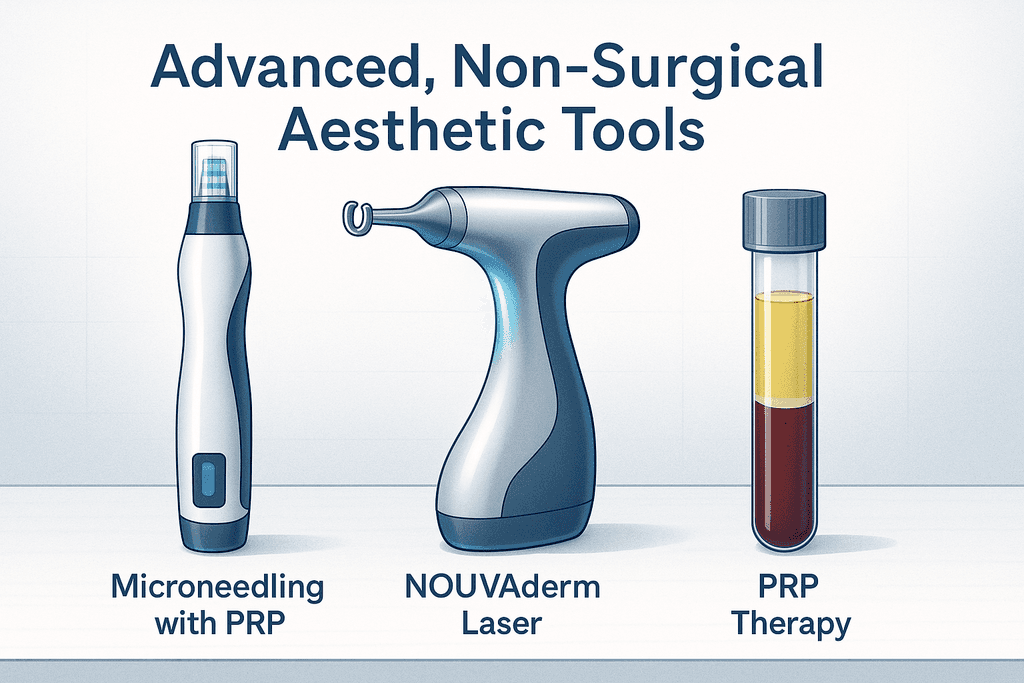
As non-invasive treatments took off, a new kind of expert emerged: the aesthetic nurse practitioner. These specialized nurses blend medical know-how with an artist’s eye. They help people look and feel their best, often in ways that weren’t possible before.
- Early 1980s: Surgical procedures dominate cosmetic enhancements
- 1990s-2000s: Rise of non-invasive treatments like BOTOX® and fillers
- 2010s-Present: Explosion of advanced non-surgical options and technology
The field keeps growing and changing. New treatments pop up all the time. This means aesthetic nurse practitioners have to stay on their toes. They’re always learning about the latest techniques and tools. It’s not just about keeping up – it’s about leading the way.
One big change has been how we think about beauty. It’s not just about looking younger anymore. Now, it’s about overall wellness and feeling good in your own skin. This shift has changed how aesthetic nurse practitioners work with patients.
- Focus on natural-looking results
- Customized treatment plans for each patient
- Combining different treatments for best outcomes
- Emphasis on skin health, not just appearance
Ethics play a huge role in aesthetic medicine today. A review in the PMC journal highlights how important it is for practitioners to put ethics first. This means being honest about what treatments can and can’t do. It also means saying no when a treatment isn’t right for someone.
At Beauty & Fly, we take this ethical approach seriously. Our treatments aim to enhance natural beauty, not create an artificial look. We focus on what’s best for each patient, not just what’s trendy. This patient-first mindset is key to being a great aesthetic nurse practitioner.
Advanced Medical Knowledge and Expertise
The foundation of an exceptional aesthetic nurse practitioner lies in their comprehensive medical training. These professionals need a deep understanding of anatomy and physiology to safely and effectively perform aesthetic treatments. At Beauty & Fly Aesthetic Wellness, Catherine E. Curtin brings over 18 years of experience in aesthetic medicine to every patient interaction.

Advanced Medical Knowledge and Expertise
Continuous education is crucial in this rapidly evolving field. Staying up-to-date with the latest aesthetic techniques and technologies allows practitioners to offer the most effective and safest treatments to their clients. This ongoing learning process also helps in:
- Recognizing potential complications
- Managing unexpected outcomes
- Adapting treatments to individual patient needs
An aesthetic nurse practitioner’s expertise goes beyond just applying treatments. They must understand the science behind skin aging, wound healing, and tissue regeneration. This knowledge informs their decision-making process when creating personalized treatment plans.
Key areas of expertise for aesthetic nurse practitioners:
– Facial anatomy and muscle structure
– Pharmacology of cosmetic injectables
– Laser and light-based therapies
– Chemical peel formulations and applications
– Advanced injection techniques
Artistic Vision and Technical Skill
While medical knowledge forms the backbone of aesthetic practice, the artistry involved in creating natural-looking results is equally important. An exceptional aesthetic nurse practitioner possesses a keen eye for facial proportions and symmetry. This artistic vision allows them to enhance a patient’s features while maintaining their unique beauty.

Artistic Vision and Technical Skill
Technical skill goes hand-in-hand with artistic judgment. Mastery of various injection techniques and technologies is essential for achieving precise, consistent results. At Beauty & Fly, Catherine Curtin’s approach focuses on subtle enhancements that look elegant and natural, rather than obvious or artificial.
Technical Skills vs. Artistic Vision in Treatments
Technical Skills:
Pros:
– Ensures safe and accurate treatment delivery
– Minimizes risks and complications
– Allows for consistent results
Cons:
– May lead to a “one-size-fits-all” approach if not balanced with artistry
Artistic Vision:
Pros:
– Creates customized, natural-looking results
– Enhances individual beauty
– Leads to higher patient satisfaction
Cons:
– Requires experience and a good aesthetic sense to develop
The ability to blend technical proficiency with artistic vision is what sets apart truly exceptional aesthetic nurse practitioners. This combination allows them to create customized treatment plans that address each patient’s unique concerns while enhancing their natural features.
Patient-Centered Care and Communication
Perhaps the most critical quality of an exceptional aesthetic nurse practitioner is their ability to provide patient-centered care. This approach puts the patient’s needs, goals, and concerns at the forefront of every interaction. Effective communication is key to understanding what each patient hopes to achieve through aesthetic treatments.
Active listening skills allow practitioners to truly understand a patient’s desires and expectations. This understanding forms the basis for developing a tailored treatment plan that aligns with the patient’s goals. At Beauty & Fly, Catherine Curtin’s personalized approach ensures that each client feels heard and valued.
Example 1: A new patient expresses concern about looking “overdone.” The practitioner takes time to explain the natural-looking results achievable with modern techniques and shows before-and-after photos of subtle enhancements.
Example 2: A returning patient is unhappy with a previous treatment elsewhere. The practitioner listens empathetically, explains potential corrective options, and sets realistic expectations for improvement.
Education is another crucial aspect of patient-centered care. Explaining treatment options, potential outcomes, and any risks helps patients make informed decisions about their care. This transparency builds trust and leads to better long-term relationships between practitioners and patients.
Follow-up care is equally important in aesthetic practice. Checking in with patients after treatments, addressing any concerns promptly, and being available for questions all contribute to a positive patient experience. This level of care and attention is a hallmark of exceptional aesthetic nurse practitioners like those at Beauty & Fly Aesthetic Wellness.
For those interested in learning more about the role of aesthetic nurse practitioners, the Nurse.org article on opening an aesthetic practice provides valuable insights into the profession.
Choosing Your Aesthetic Partner
Finding the right aesthetic nurse practitioner can make all the difference in your beauty journey. It’s not just about getting treatments – it’s about partnering with someone who understands your goals and has the skills to help you achieve them safely. The best practitioners bring a mix of medical expertise, artistic vision, and a commitment to natural-looking results.
When searching for your aesthetic ally, look for someone with solid credentials and lots of hands-on experience. Ongoing education is key too, as the field of aesthetic medicine is always evolving. You want a pro who stays up-to-date with the latest techniques and safety standards.
A holistic approach to beauty and wellness can take your results to the next level. Some practitioners, like Catherine at Beauty & Fly, offer a range of services that work together – from injectables to laser treatments to medical-grade skincare. This comprehensive strategy often leads to more balanced, long-lasting results.
Remember, the goal isn’t to look like someone else – it’s to be the best version of yourself. A skilled aesthetic nurse practitioner will help enhance your natural features, not mask them. They’ll listen to your concerns, educate you on your options, and create a personalized plan that aligns with your unique beauty goals.
As you continue your search for the perfect aesthetic partner, keep these qualities in mind. The right practitioner will not only help you look your best but also boost your confidence from the inside out. And who knows? Your journey to radiant skin and ageless beauty might be closer than you think.
Common Questions About Aesthetic Nurse Practitioners
What qualifications should I look for in an aesthetic nurse practitioner?
An exceptional aesthetic nurse practitioner should have a valid nursing license, advanced training in aesthetic procedures, and board certification in their specialty. Look for practitioners with extensive experience, ongoing education in the latest techniques, and a portfolio of before-and-after photos showcasing their work.
How is an aesthetic nurse practitioner different from a dermatologist?
While both can perform cosmetic procedures, dermatologists are medical doctors specializing in skin health and diseases. Aesthetic nurse practitioners focus primarily on cosmetic treatments and often work more closely with patients on personalized treatment plans. They typically offer more flexible scheduling and may provide a more intimate, hands-on approach to care.
What should I expect during a consultation with an aesthetic nurse practitioner?
During a consultation, the practitioner should thoroughly assess your skin, discuss your aesthetic goals, and explain potential treatment options. They should listen to your concerns, answer questions, and create a customized treatment plan. At Beauty & Fly, Catherine Curtin takes time to understand each patient’s unique needs and educates them on the best approaches for natural-looking results.
How can I verify an aesthetic nurse practitioner’s credentials?
You can check their nursing license status through your state’s board of nursing website. Look for memberships in professional organizations like the American Society of Plastic Surgical Nurses or the International Society of Plastic and Aesthetic Nurses. Don’t hesitate to ask the practitioner about their training, certifications, and experience with specific procedures you’re interested in.
How often should I see an aesthetic nurse practitioner for treatments?
The frequency of visits depends on the treatments you’re receiving and your individual goals. Some procedures, like BOTOX®, may require touch-ups every 3-4 months, while others, like certain laser treatments, might be done annually. Your practitioner will create a personalized treatment schedule based on your needs and the services you choose.