
You’ve probably scrolled past dozens of before-and-after photos wondering if a chemical peel could really make your skin look that smooth and bright. The truth is, professional chemical peels are one of the most requested treatments at medical spas because they actually work, but walking into your first appointment without knowing what to expect can feel intimidating. Understanding exactly what happens during and after a chemical peel—like the VI Peel offered at Beauty & Fly—takes the mystery out of the process and helps you feel confident about taking this step toward healthier skin.
Table of Contents
Understanding Chemical Peels and Your Skin
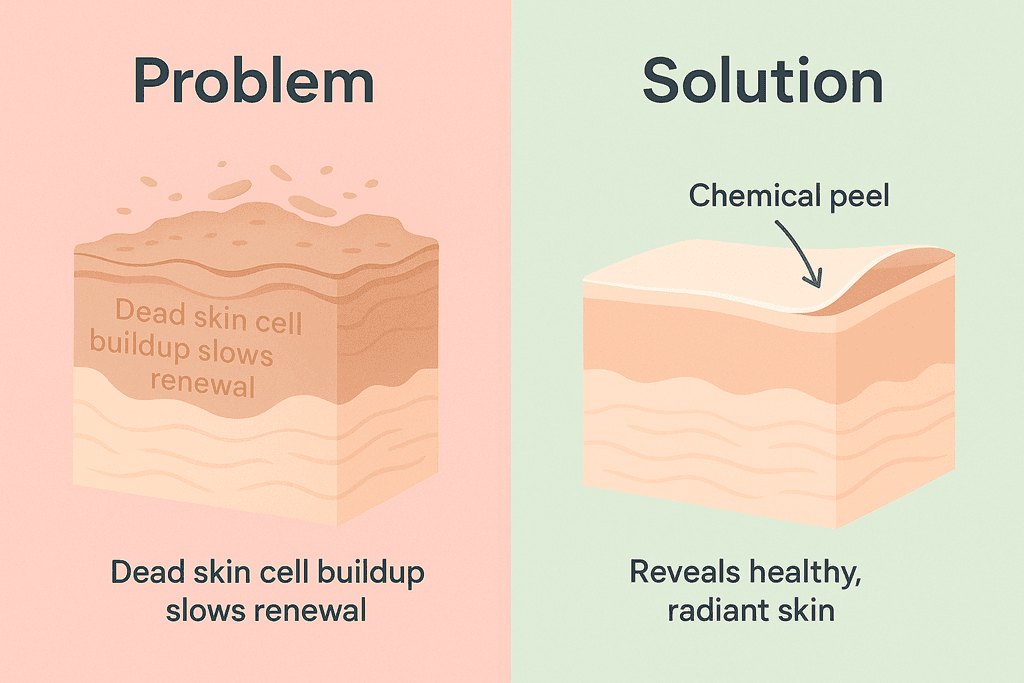
Your skin replaces itself completely about every 28 days, but as you get older, that process slows down and dead cells start piling up on the surface. A chemical peel works by using controlled acids to speed up this natural shedding process, removing those damaged outer layers so fresh, healthier skin can show through. Think of it like peeling away old wallpaper to reveal a clean wall underneath. The acids break down the bonds holding dead skin cells together, which sounds scary but is actually a precise, controlled process when done by a professional.
How Peels Work at Different Depths
Not all chemical peels go to the same depth in your skin, and that’s actually a good thing because different problems live at different levels. Superficial peels stay in the outermost layer and are great for a quick refresh, while medium peels go deeper to tackle more stubborn issues.
Professional-grade treatments like the VI Peel we offer at Beauty & Fly contain medical-strength ingredients you simply can’t buy at the drugstore. The difference isn’t just about strength though—it’s about the specific combination of acids and how they’re formulated to work together.
- Superficial peels remove only the top layer of dead skin cells
- Medium peels reach into the middle skin layers where collagen lives
- Deeper peels can address more serious concerns like deep wrinkles and scars
- Each depth requires different recovery time and delivers different results
What Different Peel Depths Actually Treat
The depth of your chemical peel determines what skin issues it can fix. Here’s a simple breakdown of what each type handles best.
| Peel Depth | What It Treats | Recovery Time |
|---|---|---|
| Superficial | Dull skin, minor discoloration, rough texture | 1-3 days |
| Medium | Acne scars, hyperpigmentation, fine lines, sun damage | 5-7 days |
| Deep | Deep wrinkles, severe sun damage, significant scarring | 2-3 weeks |
The Science Behind Skin Renewal
When a chemical peel removes those damaged outer layers, your skin doesn’t just sit there looking raw. It immediately kicks into repair mode, which is where the real magic happens. Your body starts producing fresh collagen and elastin, the proteins that keep skin firm and smooth.
- Collagen production increases as your skin heals from the controlled injury
- Cell turnover speeds up, bringing new healthy cells to the surface faster
- Blood flow to the area improves, delivering more nutrients and oxygen
This healing response is why results keep improving for weeks after your peel. The peeling itself is just the beginning—the real transformation happens underneath as your skin rebuilds itself stronger and healthier than before.
Before Your Appointment: Preparation Steps
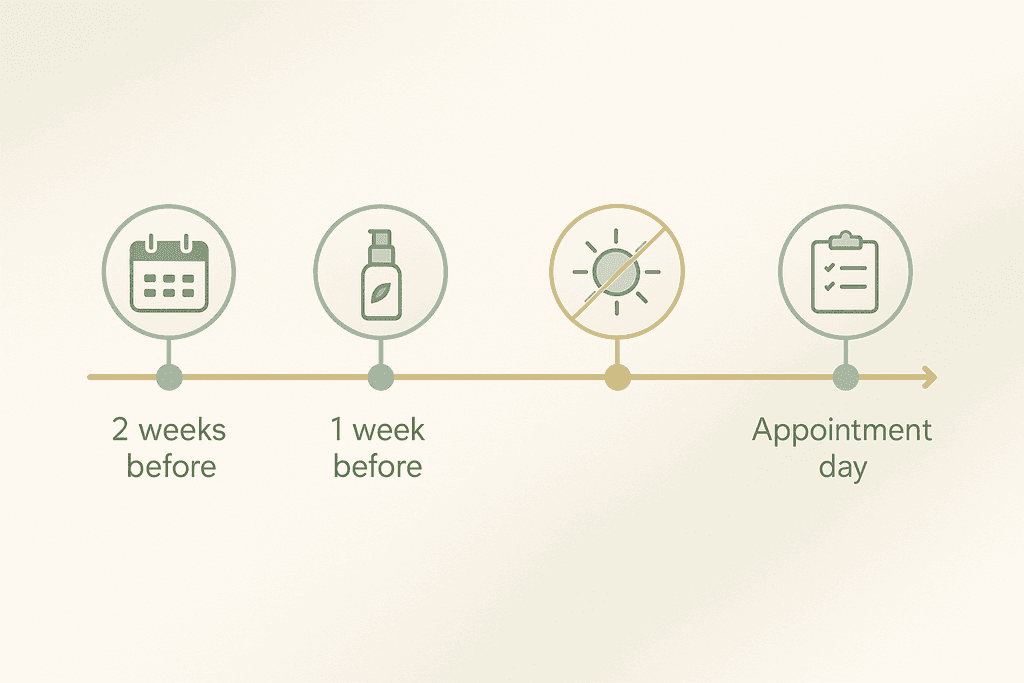
Most people don’t realize that what you do in the two weeks before a chemical peel matters just as much as the treatment itself. Your skin needs to be properly prepared to respond well to the peel and heal smoothly afterward. Think of it like preparing a canvas before painting—the better the prep work, the better your final results will be. During your consultation with Catherine, she’ll walk you through exactly what your skin needs based on your specific concerns, whether that’s acne, hyperpigmentation, fine lines, or sun damage.
Before Your Appointment: Preparation Steps
The pre-treatment phase typically starts 1-2 weeks before your appointment, and it’s not complicated. You’ll need to make some temporary adjustments to your skincare routine, but nothing drastic.
What to Stop Using Before Your Peel
- Retinoids and retinol products should be paused about a week before treatment
- Exfoliating acids like glycolic acid, salicylic acid, and other chemical exfoliants need a break too
- Physical scrubs or any abrasive skincare tools should be set aside
- Blood thinners like aspirin or ibuprofen (unless medically necessary—check with your doctor first)
- Waxing or other hair removal treatments in the area being treated
Sun exposure is probably the most important thing to avoid. Your skin needs to be as healthy as possible going into treatment, and sunburned or heavily tanned skin can’t be treated safely. This is where daily SPF becomes non-negotiable, not just recommended.
Beauty & Fly customizes each VI Peel treatment based on what your skin actually needs. Catherine takes time during your consultation to understand your concerns and goals, then creates a treatment plan that makes sense for you. Some people see noticeable results after one peel, while others benefit from a series of treatments spaced several weeks apart.
Pre-Appointment Preparation Checklist
- Stop using retinoids and exfoliants 7 days before
- Avoid sun exposure and wear SPF 30+ daily
- Skip waxing or aggressive hair removal for one week
- Arrive with clean, makeup-free skin (or plan to remove it at the appointment)
- Avoid scheduling important events for 7-10 days after treatment
- Have gentle, hydrating skincare products ready at home for aftercare
During Treatment: The Actual Experience
Walking into your appointment, you might feel a little nervous about what’s going to happen. That’s completely normal. The good news is that a chemical peel appointment is pretty straightforward and much less intimidating than most people expect. The entire visit typically takes 30-45 minutes, and you’ll spend most of that time just relaxing while the peel does its work. Catherine works solo at Beauty & Fly, which means you get her full attention throughout the entire process—no rushing between rooms or handing you off to someone else.
Here’s what actually happens once you’re in the treatment room. First, your skin gets thoroughly cleansed to remove any oils, makeup, or debris. This step matters because the peel solution needs to make direct contact with your skin to work properly.
The Treatment Process Step by Step
- Cleansing: Your skin is cleaned and prepped for treatment
- Application: The VI Peel solution is carefully applied to your face using a gentle technique
- Waiting period: The solution stays on your skin for a specific amount of time
- Instructions: Catherine explains exactly what to do at home and answers any questions
- You leave with the peel still on (you’ll remove it at home according to instructions)
The sensation during application is different for everyone, but most people describe it as tingling, warmth, or mild stinging. It’s not painful, just noticeable. Some areas of your face might feel more sensitive than others, especially if you have active breakouts or thinner skin. The feeling usually peaks during application and then settles down.
Catherine checks in with you throughout the process to make sure you’re comfortable. She explains what she’s doing and what you should expect next, which helps a lot if you’re feeling anxious. Right after treatment, your skin will look slightly red or flushed, similar to a mild sunburn. This is completely normal and expected.
Before you leave, you’ll get detailed post-treatment instructions. These aren’t suggestions—they’re essential for getting good results and avoiding complications. You’ll also receive the products you need to care for your skin during the peeling process.
Recovery and Results: What Happens Next
The days after your chemical peel are when the real magic happens, but they require patience. Your skin is going through a renewal process, shedding damaged outer layers to reveal fresher, healthier skin underneath. Most people start seeing visible peeling around day three, and it continues through about day seven. The peeling itself looks different than you might imagine—it’s not like a sunburn peel where large sheets come off. Instead, it’s more like flaking or light shedding that happens gradually.

Recovery and Results: What Happens Next
During the first 48 hours, your skin might feel tight and look darker than usual. This is normal. You’re not supposed to pick, pull, or help the peeling process along in any way. Let your skin do its thing naturally.
Your Day-by-Day Peeling Timeline
- Days 1-2: Skin feels tight, may look slightly darker or bronzed
- Days 3-4: Peeling begins, usually starting around the mouth and nose
- Days 5-6: Peak peeling phase, skin flakes off in small pieces
- Day 7: Most peeling is complete, new skin is visible
- Days 7-14: Final results become apparent as redness fades
Taking care of your skin during recovery is simple but important. Keep your skin moisturized with gentle, hydrating products and avoid anything harsh or active. No retinoids, no exfoliants, no acids. Just gentle cleansing and lots of moisture. And absolutely no sun exposure without serious SPF protection.
Post-Treatment Care Checklist
- Cleanse gently with lukewarm water and a mild cleanser
- Apply moisturizer frequently to keep skin hydrated
- Use SPF 30+ every single day, even if you’re staying inside
- Avoid picking or pulling at peeling skin
- Skip makeup for the first 48 hours if possible
- No sweating, exercise, or activities that make you hot for 48 hours
- Stay out of direct sunlight as much as possible
Your final results typically show up around 7-14 days after treatment. That’s when you’ll notice improvements in skin texture, tone, and clarity. Fine lines look softer, pigmentation is lighter, and your overall complexion appears more even and refreshed.
Maintaining your results means taking care of your skin consistently. Products like SkinBetter Science and Alumier MD (both available at Beauty & Fly) help extend and enhance your peel results with medical-grade ingredients. Catherine can recommend specific products based on your skin type and concerns. Most people benefit from scheduling follow-up peels every 4-6 weeks for a series, then maintaining with treatments every few months after that.
Wrap-up
Getting your first chemical peel doesn’t have to feel scary or overwhelming. Once you know what to expect, the whole process becomes pretty straightforward. Your skin will go through some changes over the next week or so, but that’s exactly what’s supposed to happen. The peeling and flaking means the treatment is working, bringing fresh new skin to the surface.
Here’s what matters most when you’re thinking about a chemical peel:
- Professional treatments like the VI Peel give you results that store-bought products just can’t match
- Having an experienced provider makes all the difference in your comfort and outcomes
- The prep work and aftercare are just as important as the peel itself
- Most people feel ready to show their face within a week
At Beauty & Fly, Catherine Curtin brings over 18 years of aesthetic medicine experience to every treatment. She’s the only provider you’ll see, which means you get her full attention and expertise from start to finish. Whether you’re dealing with acne scars, sun damage, or just want smoother skin, she’ll walk you through exactly what your skin needs.
Ready to see what a chemical peel can do for your skin? You can book a consultation at either our Bronxville or Bridgehampton location. Catherine will answer all your questions and help you figure out if a peel is right for you.
Common Questions About First Chemical Peels
If you’re thinking about getting your first chemical peel, you probably have a bunch of questions running through your mind. Most people do, and that’s completely normal when you’re trying something new for your skin. Here are the answers to the questions we hear most often from first-time patients at Beauty & Fly.
Does a chemical peel hurt?
Most people feel a tingling or mild stinging sensation during the treatment, but it’s not usually painful. The VI Peel we use at Beauty & Fly is designed to be comfortable, and the sensation typically lasts only a few minutes while the solution is on your skin. Some people describe it as feeling like a light sunburn.
How long does the peeling actually last?
The visible peeling phase typically lasts between three to seven days, depending on your skin type and the strength of the chemical peel. You might notice some flaking starting around day three, with the most noticeable peeling happening on days four and five. The key is not to pick at your skin, even though it’s tempting, because that can lead to scarring or uneven results.
Can I wear makeup during recovery?
It’s best to avoid makeup for the first 24 to 48 hours after your chemical peel to let your skin breathe and heal properly. After that initial period, you can usually wear mineral makeup if needed, but it’s better to keep your skin bare as much as possible during the peeling process. Catherine will give you specific guidance based on your treatment and skin type.
When can I return to work after a chemical peel?
Many people return to work the next day, though your skin might look a bit red or tight. The actual peeling usually doesn’t start until a few days later, so you can plan accordingly. If you have an important event coming up, schedule your chemical peel at least two weeks in advance to ensure you’re past the peeling stage.
How often should I get chemical peels?
Most people see the best results with a series of three to four peels spaced about four to six weeks apart. After that, maintenance peels every few months help keep your skin looking fresh and clear. Your specific schedule will depend on your skin concerns and goals.
Is a chemical peel safe for all skin types?
Yes, the VI Peel is formulated to be safe and effective for all skin types and tones, including darker skin that might be more prone to hyperpigmentation. During your consultation, Catherine evaluates your skin carefully to make sure a chemical peel is the right choice for you and adjusts the treatment plan to match your specific needs.