
Your skin absorbs products up to 90% better when tiny channels are created in its surface, which is exactly how a microinfusion facial works to deliver powerful serums deep into your skin. At Beauty & Fly, this advanced treatment combines microneedling technology with customized serums to target everything from fine lines to uneven texture. What you do before and after your appointment can make the difference between good results and truly transformative ones.
Table of Contents
What Makes Microinfusion Facials Different
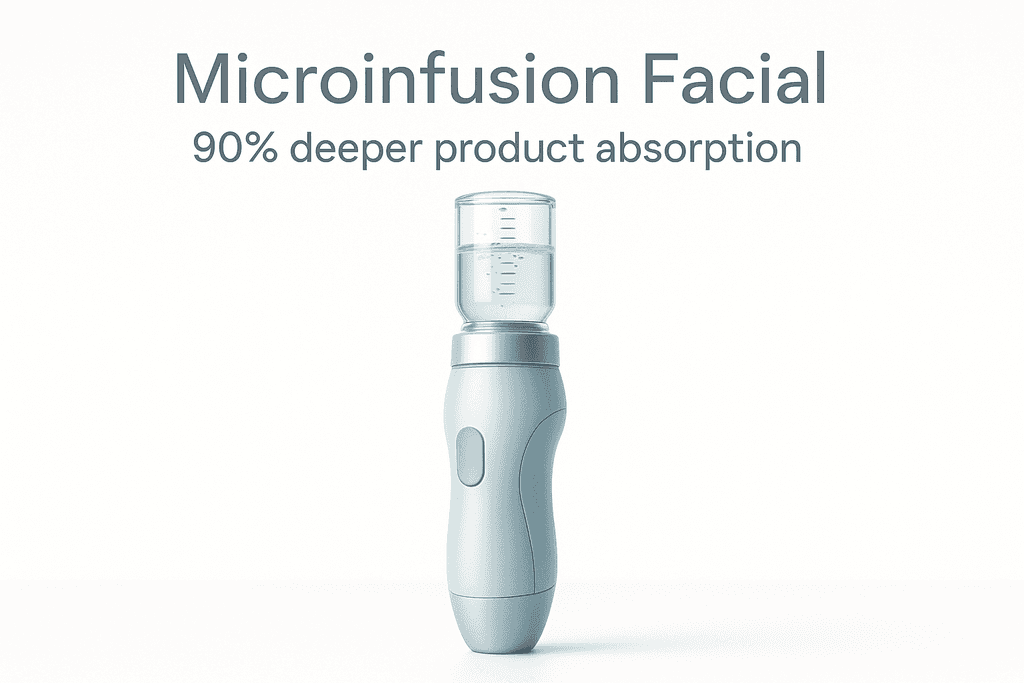
Your skin has a natural barrier that keeps most skincare products sitting on the surface, which means you’re only getting about 5-10% of those expensive serums actually working. A microinfusion facial changes this by using tiny needles to create temporary channels in your skin while simultaneously pushing customized serums deep into the layers where they can actually do something. It’s like the difference between watering your lawn with a sprinkler versus using a drip irrigation system that delivers water straight to the roots.
How the Technology Works
The microinfusion facial combines two powerful techniques into one treatment. Think of it as microneedling’s smarter cousin. While regular microneedling creates tiny injuries to trigger healing, microinfusion does that plus delivers targeted serums directly into those fresh channels before they close up.
Here’s what happens during the treatment:
- Tiny needles create controlled micro-channels in your skin
- Custom serums get pushed through these channels into deeper skin layers
- Your skin absorbs up to 90% of the active ingredients instead of the usual 5-10%
- The micro-injuries trigger your body’s natural collagen production
Why Prep and Aftercare Matter More
Unlike a regular facial where you can show up without much thought, a microinfusion facial requires more planning. Your skin is going to have thousands of tiny openings after treatment, which means it’s both more receptive to good stuff and more vulnerable to bad stuff. At Beauty & Fly, Catherine Curtin designs each Microinfusion Facial with specific serums matched to your skin’s needs, but the results depend heavily on how you prepare beforehand and care for your skin afterward.
The treatment works differently than traditional facials in several ways:
- Creates actual pathways into your skin rather than just surface treatment
- Requires avoiding certain products and activities before treatment
- Needs careful sun protection and gentle care during healing
- Can cause temporary redness and sensitivity that regular facials don’t
What to Expect from Results
Most people see their skin looking brighter and more hydrated within a few days, but the real magic happens over the next few weeks. Your skin needs time to build new collagen and fully absorb those serums that got delivered deep into the tissue. The timeline looks different than other treatments because you’re working with your body’s natural healing process, not just getting a temporary surface glow.
| Timeline | What You’ll Notice |
|---|---|
| 24-48 hours | Redness fades, glow appears |
| 3-7 days | Smoother texture, hydration boost |
| 2-4 weeks | Fine lines soften, tone evens |
| 4-6 weeks | Full collagen response, best results |
You can learn more about the healing timeline and what to expect from similar treatments by checking out real microneedling results and timelines from actual patients. The preparation you do before your appointment and the care you take afterward will determine whether you get good results or great ones.
Preparing Your Skin for Treatment Success
A microinfusion facial works by creating tiny channels in your skin to deliver customized serums deep into the dermis, which means your skin needs to be in the right condition before treatment day. Think of it like preparing a garden before planting seeds. The better you prep, the better your results will be. Most people don’t realize that what you do in the week leading up to your appointment can make or break your outcome. Your skin’s response to treatment depends heavily on how you’ve treated it beforehand, and there are some specific steps that really matter.

Preparing Your Skin for Treatment Success
Stop using retinoids and exfoliating products at least 3-7 days before your appointment. These ingredients thin your skin and make it more sensitive, which can lead to excessive irritation during treatment. Your provider will give you an exact timeline based on what you’re currently using.
- Avoid blood-thinning medications like aspirin, ibuprofen, and fish oil supplements for at least 48 hours before treatment
- Skip alcohol for 24-48 hours prior, as it can increase bleeding and bruising
- Stay out of direct sun exposure for at least one week before your appointment
- Drink plenty of water in the days leading up to treatment to keep your skin hydrated from within
- Arrive with completely clean, makeup-free skin on the day of your treatment
If you have a tan or sunburn, you’ll need to reschedule. Tanned or sun-damaged skin is too compromised to safely receive a microinfusion facial, and treating it could lead to complications or poor results. This is one of those rules that exists for a good reason, even though it might be inconvenient.
Communication with your provider matters more than most people think. Tell Catherine about any skin concerns, recent treatments, or products you’re using during your consultation. She needs this information to customize your treatment properly and avoid any potential issues.
The First 24 Hours After Your Microinfusion Facial
The first day after your microinfusion facial is when your skin is doing the most important healing work. Those tiny channels created during treatment are still open, which means your skin is more vulnerable to bacteria, irritation, and environmental damage than usual. What you do during these critical hours will directly impact how well your skin heals and how good your final results look. Most complications happen because people don’t take this window seriously enough.

The First 24 Hours After Your Microinfusion Facial
Keep your hands off your face completely for the first 24 hours. Your skin has microscopic openings that need to close, and touching introduces bacteria that can cause breakouts or infections.
You’ll notice some redness, tightness, and possibly mild swelling. This is completely normal and actually shows that your skin is responding to the treatment. The redness usually looks similar to a mild sunburn and should start fading within a few hours. Some people also experience a tight, dry feeling as their skin begins the healing process.
- No makeup for at least 24 hours after treatment
- Avoid sweating, exercise, hot showers, and saunas
- Don’t wash your face for the first 6-8 hours unless your provider says otherwise
- Sleep on your back with your head slightly elevated to reduce swelling
- Use only the gentle cleanser and products your provider recommends
When you do cleanse your skin after the initial waiting period, use lukewarm water and pat dry gently with a clean towel. No rubbing, scrubbing, or using rough washcloths. Your skin needs gentle care right now, not aggressive cleaning.
Contact your provider immediately if you notice severe swelling, increasing pain, or signs of infection like pus or extreme redness. These aren’t common, but catching problems early makes a huge difference in outcomes.
Week One Recovery and Beyond
Once you’ve made it through the first 24 hours, your skin enters a recovery phase that lasts about a week. During this time, you’ll gradually reintroduce your normal activities and skincare products, but timing matters. Jump back into your regular routine too quickly and you risk undoing all the benefits of your treatment. The goal is to support your skin’s natural healing process while protecting your investment in the procedure. Research shows that proper aftercare significantly impacts how well microinfusion treatments improve skin hydration and texture.
Wait at least 5-7 days before reintroducing retinoids, acids, or other active ingredients. Your skin needs time to fully heal before you challenge it with these powerful products again.
| Timeline | Activity | Status |
|---|---|---|
| Days 1-2 | Makeup, exercise, swimming | Avoid |
| Days 3-4 | Light makeup, gentle exercise | Resume carefully |
| Days 5-7 | Normal activities, active skincare | Gradually reintroduce |
| Week 2+ | Full routine | Resume completely |
Sun protection becomes non-negotiable after a microinfusion facial. Use SPF 30 or higher every single day for at least two weeks post-treatment, even if you’re just staying indoors. Your skin is more sensitive to UV damage right now, and sun exposure can cause hyperpigmentation or reverse your results.
Moisturizing helps your skin heal faster and look better during recovery. Keep your skin hydrated with gentle, fragrance-free products. At Beauty & Fly, we often recommend SkinBetter science and Alumier MD products because they’re specifically formulated to support healing without irritating sensitive post-treatment skin.
You should start seeing improvements in skin texture and glow within a few days, but full results typically appear around 4-6 weeks after treatment as your skin produces new collagen. Some people notice their skin looks slightly worse before it looks better, especially around days 3-5 when mild peeling might occur. This is actually a good sign that your skin is renewing itself.
Most people benefit from a series of treatments spaced 4-6 weeks apart. One treatment can make a noticeable difference, but multiple sessions create more dramatic, longer-lasting improvements. Catherine can help you plan a treatment schedule based on your specific skin goals and how your skin responds to the first session.
Your Path to Radiant, Rejuvenated Skin
Getting a microinfusion facial is only half the battle. The real results come from how you prepare your skin beforehand and care for it afterward. Those simple steps like avoiding blood thinners before treatment and keeping your skin hydrated after make a huge difference in how long your glow lasts and how well your skin absorbs all those good ingredients.
Think of it this way: you’re investing time and money into your skin, so why not get the most out of it. Following the pre and post-care instructions isn’t just about avoiding problems. It’s about making sure every bit of that treatment works as hard as possible for you.
At Beauty & Fly, Catherine Curtin walks you through exactly what to do before and after your microinfusion facial. She’s been doing this for over 18 years, so she knows which steps actually matter and which ones are just noise. Plus, since you’re working directly with her at both the Bronxville and Bridgehampton locations, you get personalized guidance based on your specific skin type and concerns.
The goal isn’t to look like you’ve had work done. It’s to look like yourself, just more rested and refreshed. That’s what proper care combined with expert treatment gets you.
Ready to see what your skin can look like with the right approach? Book a consultation at either our Bronxville or Bridgehampton location to discuss whether a microinfusion facial fits your skin goals. Sometimes the questions that come up after reading about a treatment are the most important ones to ask.
Common Questions About Microinfusion Facial Care
Getting a microinfusion facial for the first time brings up a lot of questions. Most people want to know what to expect before they commit to the treatment. Here are the answers to the most common questions we hear from clients considering this treatment at Beauty & Fly.
How far in advance should I book before a big event?
Schedule your microinfusion facial about one to two weeks before any important event. This gives your skin enough time to heal from any minor redness and lets the results fully develop. You’ll look fresh and glowing without worrying about any temporary side effects showing up in photos.
Can I wear makeup after my treatment?
You should wait at least 24 hours before applying makeup to let your skin recover properly. The tiny channels created during the microinfusion facial need time to close, and makeup can introduce bacteria or irritants during this healing window. Most people find their skin looks so good the next day that they don’t even want to cover it up anyway.
Does a microinfusion facial hurt?
Most clients describe the sensation as a light tingling or mild scratching feeling rather than actual pain. A topical numbing cream is applied before treatment to keep you comfortable throughout the process. The microinfusion facial uses very fine needles that are much gentler than traditional microneedling, so the experience is typically well-tolerated even by people with sensitive skin.
How often should I get microinfusion facials?
For best results, plan on getting treatments every four to six weeks initially. Once you achieve your desired results, you can switch to maintenance sessions every two to three months. Catherine Curtin at Beauty & Fly will create a personalized treatment schedule based on your specific skin concerns and goals during your consultation.
Will this work for my skin type?
The microinfusion facial is safe and effective for all skin types and tones. Unlike some laser treatments that can cause complications for darker skin, this treatment works by delivering customized serums directly into your skin without heat or harsh chemicals. The serums used can be tailored to address your unique concerns, whether that’s acne, aging, pigmentation, or dehydration.
What makes Beauty & Fly different from other providers?
Every treatment at Beauty & Fly is performed by Catherine Curtin herself, not a rotating staff of technicians. With over 18 years of experience in aesthetic medicine, she customizes each microinfusion facial based on what your skin needs that day. You’re not getting a cookie-cutter treatment, and you’ll never feel rushed through your appointment.