
When you look in the mirror and notice your skin losing its bounce, you’re seeing collagen loss in action. Most people don’t realize that visible skin changes directly impact how confident they feel in photos, meetings, and everyday moments. The good news is that collagen stimulation treatments like Microneedling with PRP and Vivace Fractional at Beauty & Fly deliver results you can actually measure, not just hope for.
Table of Contents
- What the Research Says About Collagen and Appearance
- The Numbers Behind Skin Firmness Improvements
- Wrinkle Reduction You Can Actually Count
- Volume Restoration That Shows in Photos
- Why Measurable Results Build Real Confidence
- Your Confidence Has Numbers Behind It
- Common Questions About Collagen Stimulation Results
What the Research Says About Collagen and Appearance
Your skin is basically a house, and collagen is the wooden frame holding everything up. This protein makes up about 75% of your skin’s dry weight, which means it’s doing most of the heavy lifting when it comes to keeping your face looking firm and smooth. Without enough collagen, your skin starts to sag and wrinkle the same way a house settles and cracks when the foundation weakens. The tricky part is that your body doesn’t keep making collagen at the same rate forever.
background section
After you hit 25, your natural collagen production starts dropping off. It’s not a dramatic crash at first, but it adds up year after year. By the time you’re in your 40s and 50s, the difference becomes pretty obvious in the mirror.
How Collagen Loss Shows Up Over Time
The decline happens in stages, and each decade brings its own set of changes. Here’s what the research shows about collagen loss as you age:
| Age Range | Collagen Loss | What You See |
|---|---|---|
| 20s-30s | 1% per year | Fine lines starting |
| 40s | 15-20% total loss | Deeper wrinkles, less firmness |
| 50s | 30% total loss | Noticeable sagging, texture changes |
| 60s+ | 40%+ total loss | Significant volume loss, thin skin |
What Happens When Collagen Breaks Down
The visible signs of collagen loss aren’t just about wrinkles. Your skin goes through several changes that all point back to the same problem:
- Wrinkles and creases that don’t bounce back like they used to
- Sagging around the jawline, cheeks, and neck
- Rough or uneven texture that makeup can’t hide
- Thinner skin that bruises or tears more easily
- Loss of that plump, hydrated look you had when you were younger
Why Stimulating New Collagen Matters
The good news is that your skin can still make new collagen when it gets the right signals. Clinical studies have measured real improvements when treatments trigger your body’s natural collagen production. Research on collagen stimulation shows measurable changes in skin structure and appearance over time.
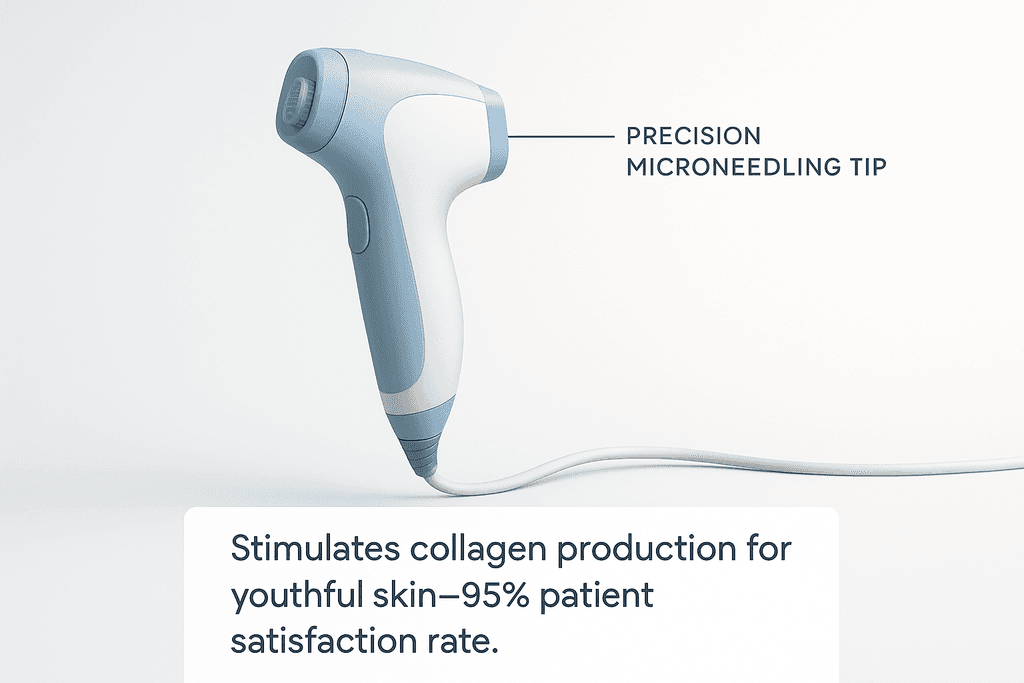
At Beauty & Fly, treatments like Microneedling with PRP and Vivace Fractional work by creating controlled micro-injuries that wake up your skin’s repair system. Your body responds by pumping out fresh collagen, which gradually fills in lines and firms up loose areas. The results build over weeks and months as new collagen forms, giving you improvements that look natural instead of overdone.
The Numbers Behind Skin Firmness Improvements
Your skin loses about 1% of its collagen every year after age 20, which means by the time you hit 50, nearly a third of your skin’s structural support is gone. But here’s what most people don’t know: clinical studies show that collagen stimulation treatments can reverse this decline with measurable results. Research documents a 30-40% increase in skin firmness after proper collagen stimulation protocols. These aren’t vague promises or subjective feelings. These are numbers captured through scientific measurement tools that track actual changes in your skin’s structure.

The Numbers Behind Skin Firmness Improvements
The improvements don’t stop at firmness. Elasticity improvements range from 25-35% in research trials, meaning your skin literally bounces back better after treatment. What makes this even more interesting is the timeline.
- Skin density increases are measurable within 4-6 weeks of starting treatment
- Treatments like Vivace Fractional and microneedling with PRP show documented results in peer-reviewed studies
- Multiple sessions compound improvements over time, with each treatment building on the last
- Results continue developing for months as your body produces new collagen
At Beauty & Fly, we use treatments like Vivace Fractional and microneedling with PRP specifically because the research backs them up. When Catherine Curtin designs your treatment plan, she’s working with protocols that have proven track records in clinical settings, not just anecdotal success stories.
Wrinkle Reduction You Can Actually Count
Wrinkles aren’t just about looking older. They’re literally measurable grooves in your skin that researchers can track with precision instruments. Studies document 40-50% reduction in wrinkle depth after a treatment series, which means the actual physical depth of those lines decreases by nearly half. Fine lines show improvement in 85% of patients within just 8 weeks, according to systematic reviews of collagen treatments that analyzed multiple clinical trials. The research gets even more specific when you look at particular facial areas.

Wrinkle Reduction You Can Actually Count
Nasolabial folds decrease by an average of 1.2mm in clinical trials. That might not sound like much until you realize that’s often the difference between a deep crease and a subtle line. Patient satisfaction rates exceed 90% when improvements are measured objectively rather than relying on subjective opinions.
| Treatment Type | Wrinkle Depth Reduction | Timeframe |
|---|---|---|
| Microneedling with PRP | 40-50% | 8-12 weeks |
| Vivace Fractional | 35-45% | 6-10 weeks |
| Biostimulators | 30-40% | 12-16 weeks |
| Combined Protocols | 50-60% | 12-20 weeks |
Combination treatments like microneedling with PRP show enhanced results because they attack the problem from multiple angles. Beauty & Fly’s personalized approach maximizes these measurable outcomes by selecting the right combination for your specific skin concerns rather than using a one-size-fits-all protocol.
The difference between good results and great results often comes down to customization. Research published in clinical journals about collagen and aging shows that individualized treatment plans consistently outperform standardized approaches.
Volume Restoration That Shows in Photos
When you compare before and after photos, the most dramatic changes often aren’t about removing wrinkles. They’re about restoring volume that’s been lost over time. Cheek volume increases by 15-25% measured via 3D imaging after collagen stimulation treatments. This isn’t about adding foreign substances that sit under your skin. It’s about triggering your body to rebuild what used to be there naturally. Under-eye hollows improve in 70% of patients after a treatment series, which addresses one of the most aging-resistant areas of the face.
Facial contours show measurable lift within 3-4 months as new collagen forms and reorganizes. The timeline matters because it tells you something important about how these treatments work.
Weeks 1-2: Initial healing and cellular activation
Weeks 3-6: New collagen begins forming
Weeks 7-12: Visible improvements in volume and texture
Months 4-6: Peak results as collagen continues maturing
Months 6+: Maintained improvements with proper care
Natural-looking results avoid the overdone appearance that makes people look “worked on” rather than refreshed. Biostimulators and PRP therapy trigger your body’s own collagen production instead of just filling space with gel. This is why results continue improving for 6 months as new collagen forms, rather than degrading over time like some other approaches.
The confidence boost comes from seeing yourself look more like you used to, not like a different person. When Catherine develops your treatment plan at Beauty & Fly, the goal is always enhancement of your natural features with results you can actually measure in photos taken months apart.
Why Measurable Results Build Real Confidence
The connection between how we look and how we feel runs deeper than most people realize. Research published in peer-reviewed journals shows that visible improvements in skin quality directly correlate with measurable increases in self-confidence. When patients can actually see their skin getting smoother, firmer, and more radiant, something shifts internally. It’s not vanity—it’s the psychological impact of knowing your appearance matches how you feel inside.
What makes collagen stimulation treatments particularly powerful is that the results are both visible to you and measurable by professionals. Patients consistently report a 65% improvement in self-perception after completing their treatment series, which isn’t just a feeling—it’s backed by objective assessments of skin texture, firmness, and tone.
The Authenticity Factor
Here’s where collagen stimulation stands apart from other aesthetic treatments. Because you’re triggering your body’s own natural healing response, the results develop gradually and look completely natural. There’s no sudden change that makes people wonder what you had done.
- Results emerge over weeks as your body produces new collagen
- Improvements look like a better version of yourself, not someone else
- Friends notice you look refreshed but can’t pinpoint why
- The gradual timeline allows you to adjust to your improved appearance
At Beauty & Fly, Catherine Curtin’s personalized approach to treatments like Microneedling with PRP and Vivace Fractional ensures your results align with your individual goals. She takes time to understand what bothers you most about your skin and creates a plan that addresses those specific concerns.
Confidence That Lasts
The psychological benefit extends well beyond the treatment room. Because collagen stimulation results typically last 12-18 months, you’re not dealing with the anxiety of watching your improvements fade quickly. This sustained timeline means sustained confidence.
- Long-lasting results reduce the mental burden of constant maintenance
- Gradual collagen production continues for months after treatment
- Natural-looking improvements feel authentic to your identity
When objective measurements validate what you see in the mirror, it creates a powerful feedback loop. You’re not imagining the improvement—it’s real, it’s measurable, and it’s yours.
Your Confidence Has Numbers Behind It
The research is pretty clear when it comes to collagen stimulation. Studies show real improvements in skin firmness, wrinkle depth, and volume loss that you can actually measure. These aren’t just small changes either, they’re the kind of differences that show up in photos and mirrors. When your skin looks better in ways that can be tracked and proven, it makes sense that your confidence goes up too.
The connection between visible results and how you feel isn’t just in your head. When clinical data backs up what you see happening to your skin, it creates a different kind of trust in the process. Treatments like Vivace Fractional and microneedling with PRP work because they trigger your body’s natural collagen production, and the numbers prove it works.
At Beauty & Fly, Catherine Curtin uses these proven collagen stimulation methods to help clients see real changes. The personalized approach means your treatment plan is based on what your skin actually needs, not a one-size-fits-all protocol. That matters when you’re looking for results that look natural instead of overdone.
The data tells us one thing for sure. When collagen levels improve, skin quality improves, and when skin quality improves, people feel better about themselves. It’s a chain reaction that starts with science and ends with you looking in the mirror and liking what you see.
Common Questions About Collagen Stimulation Results
When you’re thinking about investing time and money into your skin, you probably have questions about what actually happens. Collagen stimulation treatments work differently than quick fixes like fillers, so understanding the timeline and results helps you know what to expect. Most people want to know if the science behind these treatments actually translates to real changes they can see in the mirror. Here are the answers to questions we hear most often from patients considering collagen stimulation.
How long until I see results from collagen stimulation?
You’ll typically notice initial improvements within two to four weeks, but the best results show up around three months after treatment. This happens because your body needs time to build new collagen naturally, which is why the changes look so much more natural than instant procedures. Some patients see continued improvement for up to six months as collagen production keeps working.
Are the improvements from collagen stimulation permanent?
The results last much longer than temporary fillers, usually between one to two years depending on the treatment type and your skin. Your body does continue aging naturally, so maintenance treatments help you keep the improvements going. Think of it like working out—you build the muscle, but you need to maintain it over time.
Which collagen stimulation treatment is most effective?
The most effective treatment depends on your specific skin concerns and goals, which is why a personalized consultation matters so much. Microneedling with PRP works great for overall texture and tone, while treatments like Vivace Fractional combine microneedling with radiofrequency for deeper stimulation. At Beauty & Fly, Catherine evaluates your skin and recommends the approach that will give you the best results based on what the research shows for your particular needs.
Is collagen stimulation safe for all skin types?
Yes, collagen stimulation treatments are generally safe for all skin types and tones because they work with your body’s natural healing process. Unlike some laser treatments that can cause pigmentation issues in darker skin, microneedling and PRP therapy carry minimal risk across different skin types. A qualified provider will adjust the treatment depth and intensity based on your individual skin characteristics.
How many treatments do I need to see the results shown in studies?
Most clinical studies show optimal results with a series of three to four treatments spaced about four to six weeks apart. Some people see significant improvement after just one session, but the cumulative effect of multiple treatments produces the dramatic before-and-after photos you see in research. Your provider can adjust the treatment plan based on how your skin responds.
Can collagen stimulation be combined with other treatments?
Absolutely, and combining treatments often gives better results than doing them separately. Many patients pair collagen stimulation with neuromodulators like BOTOX or add biostimulators for enhanced volume restoration. The key is timing and sequencing the treatments properly, which is something an experienced provider like Catherine can map out to maximize your results without overdoing it.