
You wash your face twice a day and follow every skincare step, but your skin still feels rough and bumpy when you run your fingers across it. That frustrating texture problem happens because most products only work on the surface, never reaching the deeper layers where the real issues hide. A microinfusion facial changes that by pushing active ingredients past the outer skin barrier, targeting texture problems right where they start.
Table of Contents
- What Creates Uneven Skin Texture
- How Microinfusion Facials Work on Texture
- Specific Texture Problems Microinfusion Addresses
- What to Expect During and After Treatment
- Why Microinfusion Works Better Than Surface Treatments
- Smoother Skin Starts Below the Surface
- Common Questions About Microinfusion for Texture
What Creates Uneven Skin Texture
Your skin replaces itself about every 28 days, but sometimes those old cells don’t shed like they should. When dead skin cells pile up on the surface, they create a rough, bumpy feeling that no amount of moisturizer seems to fix. This buildup is one of the main reasons your skin feels uneven, and it gets worse as you get older because cell turnover naturally slows down. Add in enlarged pores, old acne scars, and sun damage, and you’ve got a texture problem that goes deeper than the surface.
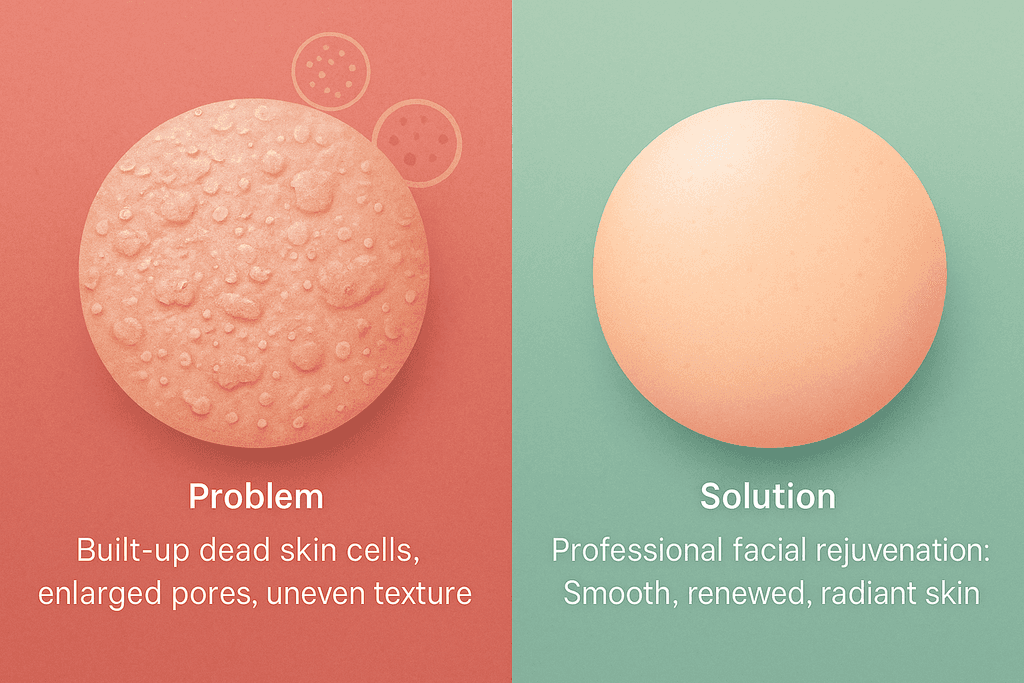
The real issue is that most skincare products can only work on the very top layer of your skin. They might make things feel smoother for a few hours, but they can’t reach the deeper layers where collagen lives and where real change happens.
Why Texture Problems Go Deeper
Sun damage and natural aging break down the collagen and elastin that keep your skin firm and smooth. Without enough collagen, your skin loses its bounce and starts to look uneven. Pores stretch out and become more visible, and any old scars or rough patches become more obvious.
Different texture problems need different solutions because they happen at different depths in your skin. Here’s what causes the most common complaints:
| Texture Concern | What Causes It | Where It Happens |
|---|---|---|
| Rough, dry patches | Dead skin cell buildup | Surface layer |
| Enlarged pores | Oil buildup, loss of elasticity | Surface and mid-layer |
| Acne scars | Damaged collagen from inflammation | Deep layer |
| Fine lines and crepiness | Collagen breakdown, dehydration | Mid to deep layer |
| Uneven tone with bumps | Sun damage, pigment irregularities | Multiple layers |
The Penetration Problem
Your skin is designed to keep things out, which is great for protection but not so great when you’re trying to fix texture issues. Creams and serums sit on top and can’t push through to where the real problems live. That’s why treatments like the microinfusion facial work differently—they deliver active ingredients past that protective barrier so they can actually do something about the underlying causes.
At Beauty & Fly, we see clients every week who’ve spent hundreds on products that promised smoother skin but didn’t deliver. The truth is, fixing texture takes more than what you can buy in a bottle.
How Microinfusion Facials Work on Texture
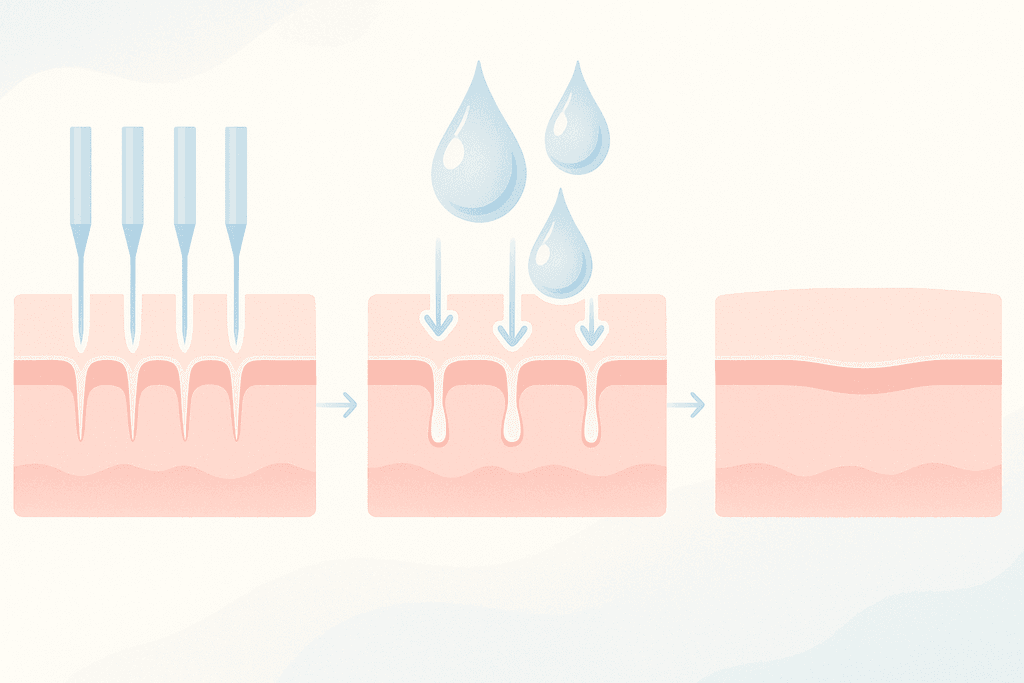
Your skin has thousands of tiny channels that normally stay closed, blocking most skincare products from reaching the deeper layers where real change happens. A microinfusion facial opens these pathways in a controlled way, letting powerful ingredients actually get where they need to go. This isn’t your typical spa facial with surface-level results. The process combines two proven methods into one treatment that tackles texture problems from multiple angles at once.
How Microinfusion Facials Work on Texture
The treatment uses fine needles to create micro-channels in your skin, similar to microneedling but with an added step that makes all the difference. While those channels are open, customized serums flood into the deeper skin layers. Your body reads these tiny punctures as minor injuries and kicks into repair mode, pumping out fresh collagen and elastin.
- Combines microneedling with customized serum infusion for dual benefits
- Creates micro-channels that allow deeper product penetration than topical application alone
- Triggers natural collagen production while delivering active ingredients directly to target areas
- Customizable serums target specific texture concerns like scarring, roughness, or enlarged pores
At Beauty & Fly, Catherine Curtin personalizes each microinfusion treatment based on what your skin actually needs. She selects specific serums after examining your texture issues up close, which means someone dealing with acne scars gets a completely different formula than someone working on sun damage.
Specific Texture Problems Microinfusion Addresses
Not all bumpy skin is created equal, and that matters when you’re trying to smooth things out. The beauty of microinfusion is how it adapts to different texture problems through serum selection. What works for ice pick scars won’t necessarily help with enlarged pores, even though both create an uneven surface. The micro-channels stay the same, but the ingredients flowing through them change based on what’s causing your particular texture issues.

Specific Texture Problems Microinfusion Addresses
Acne scars and post-inflammatory marks respond well to growth factors and peptides that encourage skin to rebuild itself from within. These ingredients help fill in depressed areas and fade the discoloration that often comes with old breakouts.
| Texture Concern | Best Serum Ingredients |
|---|---|
| Acne Scars | Growth factors, peptides, hyaluronic acid |
| Enlarged Pores | Niacinamide, salicylic acid, retinol |
| Sun Damage Roughness | Vitamin C, antioxidants, brightening agents |
| Fine Lines & Crepey Skin | Hyaluronic acid, collagen boosters, ceramides |
Enlarged or stretched pores need ingredients that tighten and refine, like niacinamide or gentle acids that clear out buildup. Rough, bumpy patches from sun damage get antioxidants and brightening agents that even out both color and surface texture at the same time.
The microinfusion facial works particularly well when texture problems overlap with tone issues. Someone with both acne scarring and hyperpigmentation can get serums that address both concerns in one session, something regular facials can’t really pull off.
What to Expect During and After Treatment
Walking into a microinfusion appointment might feel a bit nerve-wracking if you’ve never done it before, but the actual experience is pretty straightforward. The treatment takes about 45 to 60 minutes from start to finish, including prep time and serum application. Most people describe the sensation as mild pressure or light scratching rather than actual pain. A numbing cream goes on first, so you’re not sitting there gritting your teeth through the whole thing.
Your skin will look flushed right after, similar to a mild sunburn. That immediate glow people talk about is real, even though you’re a bit pink. The redness typically fades within 24 to 48 hours, and most people go back to normal activities the next day.
- Day 1-2: Mild redness and sensitivity, skin feels tight
- Day 3-5: Possible light flaking as skin renews itself
- Week 2-4: Texture starts smoothing out, pores look smaller
- Week 6-8: Continued improvement as collagen builds
The texture improvements happen gradually, not overnight. You’ll probably notice your skin feels smoother within a week or two, but the real changes show up over the following months as new collagen fills in uneven areas. Most people need 3 to 4 treatments spaced about a month apart to see significant texture improvement, especially for deeper concerns like acne scarring.
Post-treatment care matters more than you’d think. Your skin is extra absorbent for the first few days, which means it’ll soak up whatever you put on it. Stick to gentle, hydrating products and skip the harsh actives for at least a week. Catherine provides specific aftercare instructions based on which serums were used during your treatment.
Some people combine microinfusion with other treatments like the NOUVAderm laser for even better texture results. The laser handles pigment and surface issues while the microinfusion works on deeper texture problems. Spacing these treatments properly gives your skin time to heal between sessions while building on previous improvements.
Why Microinfusion Works Better Than Surface Treatments
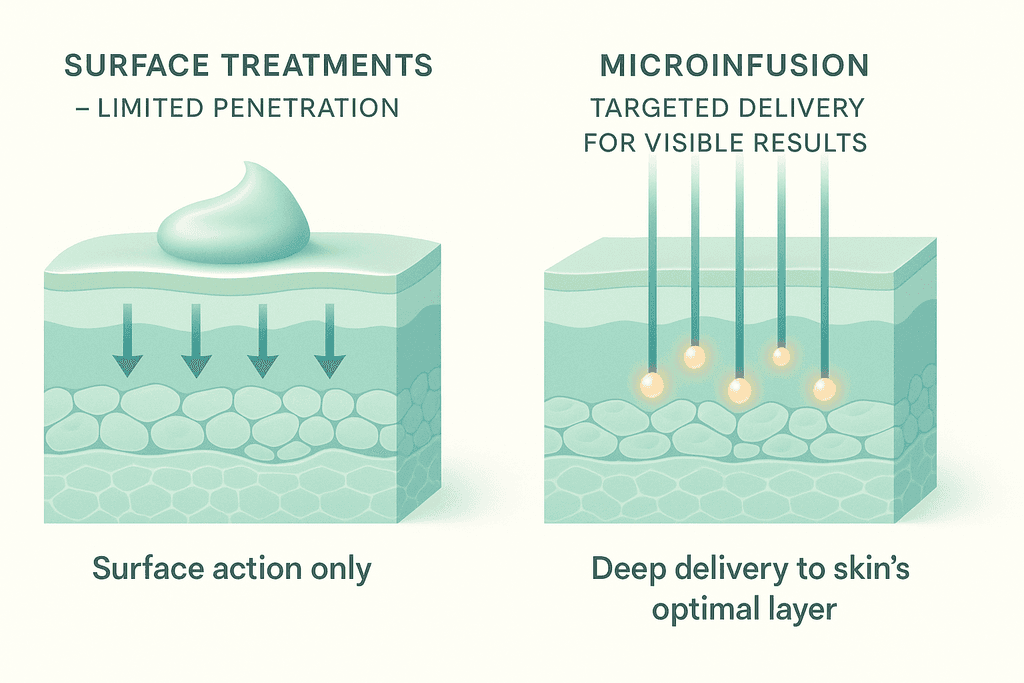
Most people don’t realize that their expensive serums and creams only reach the very top layer of skin. Your skin’s outer barrier is designed to keep things out, which means even the best products can’t penetrate deep enough to fix texture problems at their source. This is where the microinfusion facial stands apart from traditional approaches. By creating thousands of tiny channels in the skin, it delivers active ingredients exactly where they need to go to actually change your skin’s structure.
Traditional facials feel nice and might give you a temporary glow, but they’re essentially just surface cleaning and moisturizing. Chemical peels go deeper by removing damaged layers, but they can’t deliver targeted ingredients to specific depths where texture issues live. You’re left with the peel doing its work, but missing out on the repair benefits that customized serums could provide.
How Different Treatments Compare
- Traditional facials clean and hydrate only the surface without addressing deeper texture concerns
- Chemical peels remove damaged layers but don’t infuse repair ingredients into the skin
- Microneedling alone creates collagen stimulation but wastes the opportunity to deliver beneficial serums
- Microinfusion combines both mechanical stimulation and biochemical repair for complete texture improvement
The real advantage comes from the combination approach. When you create those micro-channels and immediately flood them with the right ingredients, you’re getting two benefits at once. The needling itself triggers your skin’s natural healing response and collagen production. At the same time, the customized serums get delivered to depths they could never reach on their own.
The Personalization Factor
At Beauty & Fly, Catherine Curtin doesn’t use the same serum cocktail on everyone. She evaluates your specific texture concerns and selects ingredients that target your exact issues. This personalized approach means someone with acne scarring gets different serums than someone dealing with sun damage or enlarged pores.
- Hyaluronic acid for deep hydration and plumping of textured areas
- Growth factors to accelerate skin repair and smoothing
- Antioxidants to protect newly treated skin and prevent future damage
- Peptides to boost collagen production for long-term texture improvement
The science is straightforward. Surface treatments can only do surface work, while microinfusion gets ingredients where texture problems actually exist. That’s why clients see results that last longer and look more natural than what they’d get from a regular facial or even a peel alone.
Smoother Skin Starts Below the Surface
If you’ve been dealing with bumpy, rough, or uneven skin texture, you already know that regular creams and lotions only do so much. The truth is, texture issues live deeper in your skin where topical products can’t really reach. That’s where a microinfusion facial makes a difference because it works at the level where texture problems actually start.
The treatment combines two approaches that tackle texture from different angles. The microneedling part triggers your skin to build new collagen, while the infused serums deliver active ingredients exactly where they’re needed most. Neither one alone would give you the same results.
Here’s what matters most about addressing texture concerns:
- Your skin needs stimulation below the surface to rebuild smoother texture
- Targeted serum delivery ensures ingredients reach the deeper layers
- Results build over time as your skin produces more collagen
- Each treatment plan gets customized based on your specific texture issues
At Beauty & Fly, our microinfusion facial treatments are tailored to your individual skin concerns, whether you’re dealing with acne scarring, rough patches, or general unevenness. Most people see the best improvements after a series of sessions, since your skin needs time to rebuild itself from within.
The question isn’t whether texture can improve, but rather which approach will work best for your particular skin. That’s something worth exploring with someone who understands how different texture issues respond to treatment.
Common Questions About Microinfusion for Texture
If you’re thinking about trying a microinfusion facial to smooth out rough or uneven skin, you probably have some questions about what to expect. Most people want to know if it’s going to hurt, how long they’ll be out of commission, and when they’ll actually see their skin start to look better. These are all fair concerns, especially if you’ve never had this type of treatment before. Here are the answers to the most common questions we hear at Beauty & Fly about microinfusion facials and how they work for texture issues.
Does microinfusion hurt?
Most people describe the sensation as mild pressure or light tingling rather than actual pain. A topical numbing cream is typically applied before treatment, which makes the experience quite comfortable. The tiny needles used in microinfusion are much smaller than those in traditional microneedling, so the process feels gentler overall.
How long before I see texture improvement?
You might notice your skin looks smoother and more radiant within a few days after your first session. The real texture improvements usually become visible around two to four weeks as your skin produces new collagen and the active ingredients continue working. Results keep getting better over the following months as your skin continues to renew itself.
How many treatments do I need for rough skin?
It depends on how severe your texture issues are and what your skin goals look like. Most people see good results with three to four sessions spaced about four weeks apart. Some clients with mild texture concerns are happy after just one or two treatments, while others with deeper scarring or significant roughness might need a longer series.
Can I combine microinfusion with other treatments?
Yes, microinfusion works really well alongside other services. At Beauty & Fly, Catherine often creates custom treatment plans that pair microinfusion with options like neuromodulators, dermal fillers, or the NOUVAderm laser depending on your specific concerns. Combining treatments can give you more complete results, but the timing and order matter, so it’s best to discuss your full plan during a consultation.
Is there downtime after a microinfusion facial?
Downtime is minimal compared to more aggressive treatments. Your skin might look slightly pink or flushed for a few hours to a day, similar to a mild sunburn. Most people go back to their normal activities the same day or the next day. You’ll want to skip makeup for about 12 hours and avoid intense workouts or sun exposure for a day or two.
Who is a good candidate for microinfusion?
Microinfusion works well for most skin types and tones, especially if you’re dealing with rough texture, large pores, fine lines, or dullness. It’s a good option if you want noticeable improvements without the downtime of more intensive procedures. People with active skin infections, certain medical conditions, or who are pregnant should wait, but Catherine can help determine if it’s right for you during a consultation.