
The best aesthetic work is the kind no one notices. More people today want treatments that refresh their appearance without looking like they’ve had anything done at all. Natural-looking results take more skill and precision than dramatic changes, and knowing what creates that subtle difference can help you choose the right approach for your own goals.
Table of Contents
- The Shift Toward Subtle Enhancement
- Choosing the Right Provider Makes All the Difference
- Treatment Techniques That Preserve Your Natural Look
- Personalized Treatment Plans for Your Unique Features
- What Sets Natural Results Apart from Overdone Treatments
- Your Path to Natural, Graceful Results
- Common Questions About Natural-Looking Results
The Shift Toward Subtle Enhancement
About fifteen years ago, you could spot someone who’d had work done from across the room. The overfilled lips, the frozen forehead, the pulled-tight face—these were the telltale signs of aesthetic treatments. But something changed in the last decade, and it changed fast. Today’s patients want something completely different: they want to look like themselves, just better rested and more refreshed.

The aesthetic medicine field has gone through a major shift in approach and technique. Providers now focus on preserving natural facial movement and expressions rather than creating that stiff, overdone appearance. At Beauty & Fly, Catherine Curtin has watched this evolution firsthand over her 18 years in aesthetic medicine, adapting techniques to meet what patients actually want—subtle improvements that make people wonder if you got more sleep or took a great vacation.
87% of aesthetic patients now prefer natural-looking results over dramatic changes, according to recent industry surveys.
From Obvious to Invisible
The difference between looking “done” and looking refreshed comes down to a few key factors. When treatments are overdone, they fight against your natural features instead of working with them. Your face loses its unique character and starts to look generic or mask-like.
Here’s what separates natural results from obvious ones:
- Natural movement in the face, especially around the eyes and forehead
- Proportions that match your bone structure and facial shape
- Gradual improvements over time rather than sudden dramatic changes
- Skin that looks healthy and glowing, not stretched or shiny
The art of subtle enhancements requires understanding facial anatomy at a deep level. It’s not just about injecting product—it’s about knowing exactly where, how much, and at what depth to place treatments.
The Prevention Movement
As treatments became more natural-looking, people started seeking care earlier. Now, in their late twenties and early thirties, they opt for preventative care. The shift toward prevention is logical—it’s easier to prevent a wrinkle than to fix one that’s been there for years.
42% of aesthetic patients are now under age 35, seeking preventative treatments rather than corrective ones.
Starting early helps:
- Use smaller amounts of product for maintenance
- Train facial muscles to move in ways that don’t create deep lines
- Maintain skin quality before significant damage occurs
- Offer a more budget-friendly approach over time
What Patients Want Now
Today’s aesthetic patients do their research. They come in with specific goals and concerns, and they’re not shy about saying they want to avoid that “overdone” look. The conversation has shifted from “how much can we do” to “how little do we need to achieve the right result.”
Current patient priorities include:
- Treatments that enhance their unique features rather than change them
- Results that develop gradually so friends and family don’t notice sudden changes
- Maintaining full facial expression and natural movement
- Working with a provider who listens and won’t push unnecessary treatments
This patient-centered approach is exactly what drives the treatment philosophy at Beauty & Fly’s Bronxville and Bridgehampton locations. Every consultation focuses on understanding what you want to preserve about your appearance, not just what you want to change. The goal isn’t to look like someone else or to chase trends—it’s to look like the best version of yourself.
| Treatment Era | Patient Goal | Typical Result |
|---|---|---|
| 2000s-Early 2010s | Maximum volume and smoothness | Obvious, “done” appearance |
| Mid 2010s-Present | Natural enhancement and prevention | Refreshed, subtle improvements |
Choosing the Right Provider Makes All the Difference
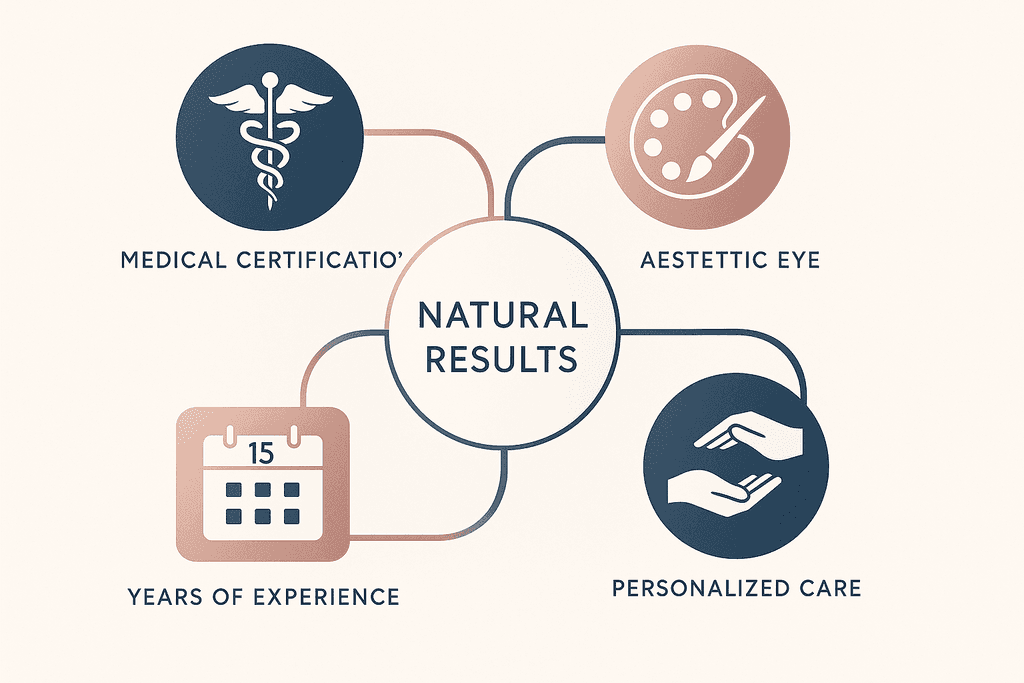
About 70% of people who get aesthetic treatments say they want to look refreshed, not different. Yet walk into the wrong office and you might end up with that frozen forehead or overfilled look that screams “I had work done.” The person holding the syringe matters more than the syringe itself. Board certification and specialized aesthetic training form the foundation, but they’re just the starting point. What really separates natural results from obvious ones is how a provider sees your face and understands the delicate balance between enhancement and overdoing it.
Choosing the Right Provider Makes All the Difference
Experience counts, but not in the way you might think. A provider who’s been doing this work for years develops an artistic eye that can’t be taught in a weekend course. They know when to stop, which matters more than knowing when to start.
Key qualities that signal a provider prioritizes natural results:
- They spend time listening to what you don’t want as much as what you do want
- They turn patients away or suggest less treatment than requested
- They show you before-and-after photos where people still look like themselves
- They discuss facial anatomy and explain their reasoning
- They recommend starting conservatively and building gradually
Working with a solo provider like Catherine Curtin at Beauty & Fly means the same expert sees your face every time. She remembers what worked six months ago and what didn’t. This continuity creates better outcomes because your treatment plan evolves with your face, not according to whoever happens to be available that day.
Red flags pop up when a provider pushes multiple syringes in your first visit or makes you feel like you need everything fixed at once. During your consultation, ask how they decide on dosing and placement. Ask to see examples of subtle work, not just dramatic transformations.
Treatment Techniques That Preserve Your Natural Look
The difference between looking refreshed and looking done often comes down to a fraction of a milliliter. Conservative dosing and strategic placement create results that make people wonder if you got more sleep or started a new skincare routine. This approach takes more skill than simply filling every line you can find. It requires understanding how faces move, how light hits different contours, and how small changes in one area affect the whole picture.
Treatment Techniques That Preserve Your Natural Look
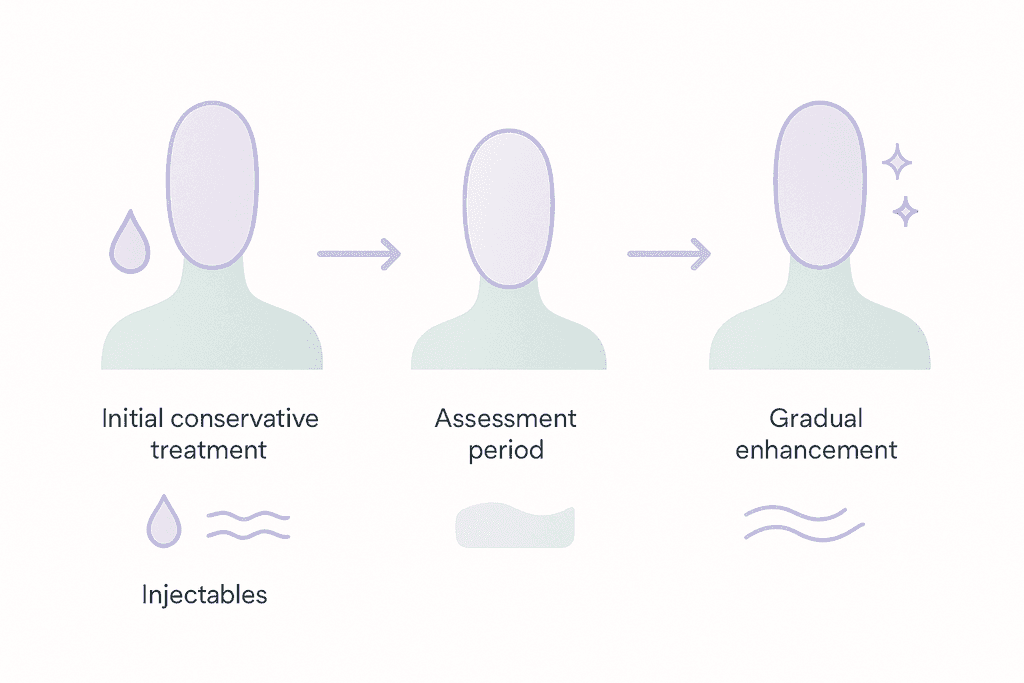
Strategic placement focuses on specific areas that will give you the most natural improvement. A full-face approach might seem thorough, but it often creates that uniform, artificial look. Research on aesthetic treatment outcomes shows that treating in layers over time produces more natural results than trying to address everything at once.
The layered approach works like this:
- First visit addresses your primary concern with conservative treatment
- Follow-up assessment shows how your face responded
- Subsequent treatments build on what worked
- Skin quality improvements happen alongside volume restoration
Respecting facial anatomy means working with your natural structure, not against it. Your face has fat pads, muscles, and bone structure that create your unique look. Good technique enhances these features rather than trying to impose some generic ideal of beauty.
Combining treatments creates more natural outcomes than relying on one type of injectable. At Beauty & Fly, Catherine might use neuromodulators like BOTOX to soften dynamic lines while incorporating biostimulators to gradually restore volume and stimulate your own collagen production. This combination approach mimics how youthful faces actually look, with both smooth skin and natural fullness.
Skin quality treatments like Microneedling with PRP or the NOUVAderm laser play a huge role in natural-looking results. When your skin texture, tone, and overall health improve, you need less filler and fewer injections to look refreshed. The foundation matters as much as what you build on top of it.
Personalized Treatment Plans for Your Unique Features
Cookie-cutter treatment plans create cookie-cutter faces. You’ve probably seen them, those people who all seem to have the same puffy cheeks and arched eyebrows regardless of their age or natural features. This happens when providers use the same approach for everyone who walks through the door. Your face is different from everyone else’s, shaped by your genetics, how you express emotions, sun exposure over the years, and even how you sleep. A treatment plan that works beautifully for your friend might look completely wrong on you.
Detailed facial analysis identifies what’s actually causing the concerns you see in the mirror. Sometimes what looks like deep lines is actually volume loss in a completely different area. Other times, skin texture issues make fine lines appear worse than they are.
A thorough assessment considers:
- Your bone structure and how it’s changed with age
- Where you’ve lost volume versus where you’ve gained it
- Your skin quality, thickness, and elasticity
- How your facial muscles move when you talk and smile
- Your lifestyle factors like sun exposure and stress
- What bothers you most versus what others might notice
Age, lifestyle, and personal aesthetic all factor into what will look natural on you. A treatment plan for someone in their 30s preventing early signs of aging looks completely different from one for someone in their 60s addressing years of volume loss. Your job matters too. Someone who’s on video calls all day might prioritize different concerns than someone who works outdoors.
Treatment plans evolve as you age because your face keeps changing. What worked perfectly three years ago might need adjustment now. This is where having a provider who knows your history becomes invaluable. Catherine tracks how your face responds to different treatments over time and adjusts accordingly.
Patient education plays a bigger role than most people realize. When you understand why a provider recommends a certain approach, you can make better decisions about your care. At Beauty & Fly, Catherine explains the reasoning behind each recommendation so you’re never wondering why she’s suggesting one treatment over another. Case studies of personalized aesthetic approaches demonstrate how customized plans create results that enhance rather than change your appearance.
Different concerns require different solutions. Hair loss responds to PRP therapy that uses your own growth factors. Acne scarring might need Microneedling combined with specific skincare products from lines like SkinBetter science. Fine lines around the eyes could benefit from a combination of neuromodulators and skin resurfacing with treatments like VI Peel. The key is matching the right treatment to your specific issue, not just using whatever’s trending on social media.
What Sets Natural Results Apart from Overdone Treatments
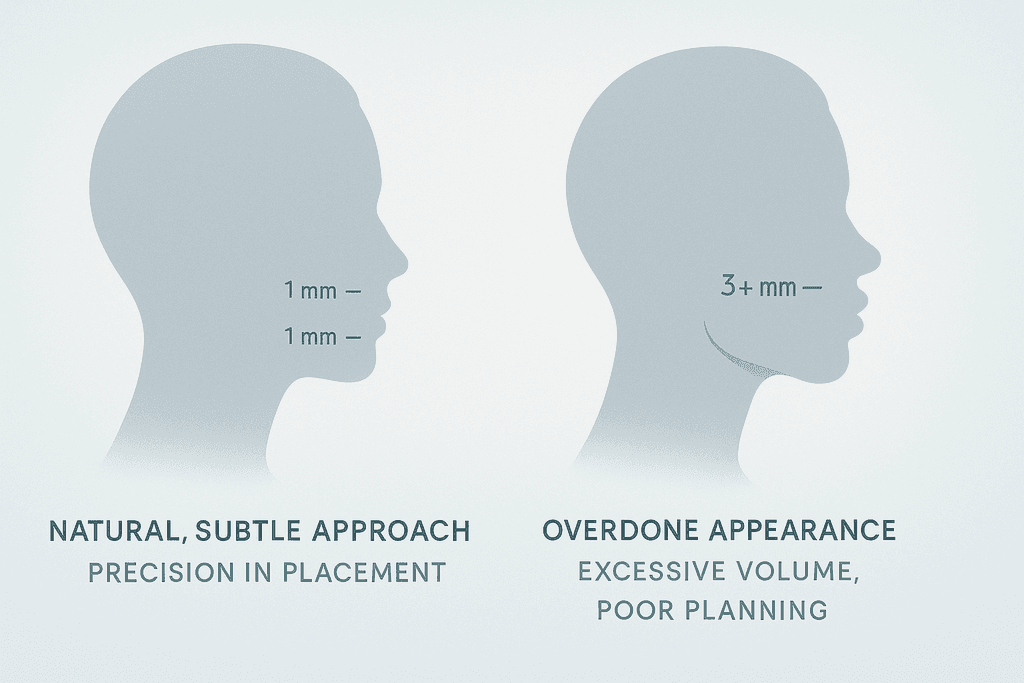
The difference between natural-looking results and an overdone appearance often comes down to millimeters and philosophy. When you look at someone and immediately know they’ve had work done, something went wrong in the planning or execution. The technical skill of the injector matters just as much as the products themselves, because even the best filler can look terrible if placed incorrectly or used too aggressively. At Beauty & Fly, Catherine Curtin’s approach centers on enhancing what’s already there rather than creating something entirely new, which is why her patients often hear compliments about looking refreshed rather than questions about what they had done.
Technical Factors That Create Natural Outcomes
The placement and amount of product used makes all the difference in achieving natural-looking results. Injectors who understand facial anatomy know exactly where to place fillers to support natural contours rather than create artificial volume.
- Injection depth affects how the product integrates with surrounding tissue
- Product selection must match the treatment area and desired outcome
- Layering techniques create dimension rather than flat, overfilled areas
- Conservative amounts allow for gradual enhancement over multiple sessions
Rushing to achieve dramatic results in one session almost always leads to an unnatural appearance. The face changes gradually with age, so reversing those changes should happen gradually too.
Provider Philosophy Makes the Difference
Training and experience matter, but so does the provider’s underlying philosophy about aesthetics. Some practitioners view their role as fulfilling whatever the patient requests, while others see themselves as collaborators who guide patients toward realistic, flattering outcomes.
| Natural Approach | Overdone Approach |
|---|---|
| Focuses on subtle enhancement | Aims for dramatic transformation |
| Respects individual facial features | Follows trendy templates |
| Builds results over time | Tries to achieve everything at once |
| Knows when to say no | Treats every area requested |
Catherine’s extensive training in teaching other aesthetic professionals means she understands not just how to perform treatments, but why certain techniques produce better long-term results. This depth of knowledge translates directly into patient outcomes that age gracefully.
Communication and Maintenance Strategies
The best results come from honest conversations between patient and provider. When someone comes in with photos of a celebrity’s features, a skilled practitioner explains why those exact results might not suit their face structure.
- Initial consultations should include discussion of realistic expectations
- Treatment plans should account for how products settle over weeks
- Follow-up appointments allow for adjustments before adding more product
- Maintenance schedules prevent the “boom and bust” cycle of overfilling
According to research on natural-looking results in aesthetics, the trend toward subtlety reflects patients wanting enhancement without detection. Regular, smaller treatments maintain results better than infrequent large sessions.
Perhaps the most important skill is knowing when not to treat. Sometimes the best recommendation is to wait, address a different area first, or skip a treatment entirely because it won’t achieve the desired effect. This restraint separates practitioners focused on natural outcomes from those simply trying to maximize revenue per appointment.
Your Path to Natural, Graceful Results
Getting natural-looking results with aesthetic treatments really comes down to a few key things. The expertise of your provider matters more than anything else, because someone with real experience knows exactly how much is enough and when to stop. Starting small and building gradually always beats trying to fix everything at once, and the best outcomes happen when you work with someone who actually listens to what you want.
A long-term relationship with your aesthetic provider changes everything. When someone knows your face and understands your goals over time, they can make adjustments that keep you looking like yourself, just refreshed. That’s the whole point of these treatments.
At Beauty & Fly, Catherine Curtin’s approach focuses on enhancing what you already have rather than creating something artificial. With over 18 years of experience and a solo-provider model, every treatment is personalized and never rushed. Whether it’s neuromodulators, dermal fillers, or advanced treatments like Microneedling with PRP, the goal stays the same.
The right provider will help you age confidently without looking like you’ve had work done. They’ll educate you about what’s realistic, recommend conservative starting points, and adjust as needed over time. That’s how you get results that make people wonder what your secret is, not what you had done.
Still have questions about what to expect from aesthetic treatments? Let’s address some of the most common concerns.
Common Questions About Natural-Looking Results
How long does it take to see natural results from treatments?
The timeline varies depending on what you’re getting done. Neuromodulators like BOTOX® typically show results within 3-7 days, with full effects visible around two weeks. Dermal fillers work immediately, though you might see some swelling at first that settles within a few days. Treatments like microneedling with PRP or biostimulators work more gradually since they’re stimulating your body’s natural collagen production, so you’ll notice improvements over several weeks to months.
Can you reverse treatments if results don’t look natural?
Some treatments can be adjusted or reversed, while others can’t. Dermal fillers made from hyaluronic acid can be dissolved with an enzyme if needed, which is one reason they’re popular for first-timers. Neuromodulators like BOTOX® will naturally wear off over 3-4 months if you’re not happy with the results. Treatments that stimulate your own collagen production, like PRP therapy or biostimulators, create gradual changes that become part of your natural tissue and can’t be reversed, which is why working with an experienced provider matters so much.
How do you prevent looking overdone as you continue treatments?
The key is working with someone who understands facial anatomy and takes a conservative approach. At Beauty & Fly, Catherine Curtin focuses on enhancing your natural features rather than changing them completely. Starting with smaller amounts and building gradually helps you maintain that subtle look over time. Regular check-ins with your provider also help adjust your treatment plan as your face naturally changes with age, so you’re always working with your features instead of against them.
What’s the difference between preventative and corrective treatments?
Preventative treatments address early signs of aging before they become deep-set issues, like using neuromodulators to soften fine lines before they turn into wrinkles. Corrective treatments tackle existing concerns like established wrinkles, volume loss, or skin texture problems. Many people use a combination of both, and starting preventative treatments earlier often means you’ll need less corrective work down the road.
How often should you get treatments to maintain natural results?
Maintenance schedules depend on what treatments you’re getting. Neuromodulators typically last 3-4 months, while dermal fillers can last anywhere from 6 months to 2 years depending on the product and placement. Skin treatments like the NOUVAderm laser or VI Peel might be done quarterly or a few times per year. Your provider should create a personalized schedule based on how your body responds and what results you want to maintain.
Are certain treatments better for natural-looking outcomes?
Treatments that work with your body’s natural processes tend to look the most natural. PRP therapy, biostimulators, and microneedling stimulate your own collagen production, so results develop gradually and look like you. The provider’s technique matters more than the treatment itself though, since even the best products can look overdone in inexperienced hands. That’s why Beauty & Fly’s personalized approach focuses on understanding your unique facial structure and goals before recommending any specific treatment.