
Watching your hair thin or your hairline recede can feel like losing a part of yourself, and most treatments either don’t work or come with serious side effects. PRP therapy offers a different approach by using your own blood’s healing power to naturally stimulate hair growth without surgery or downtime. At Beauty & Fly, this treatment harnesses concentrated platelets from your body to wake up dormant hair follicles and encourage new growth where you need it most.
Table of Contents
Understanding PRP and How It Works
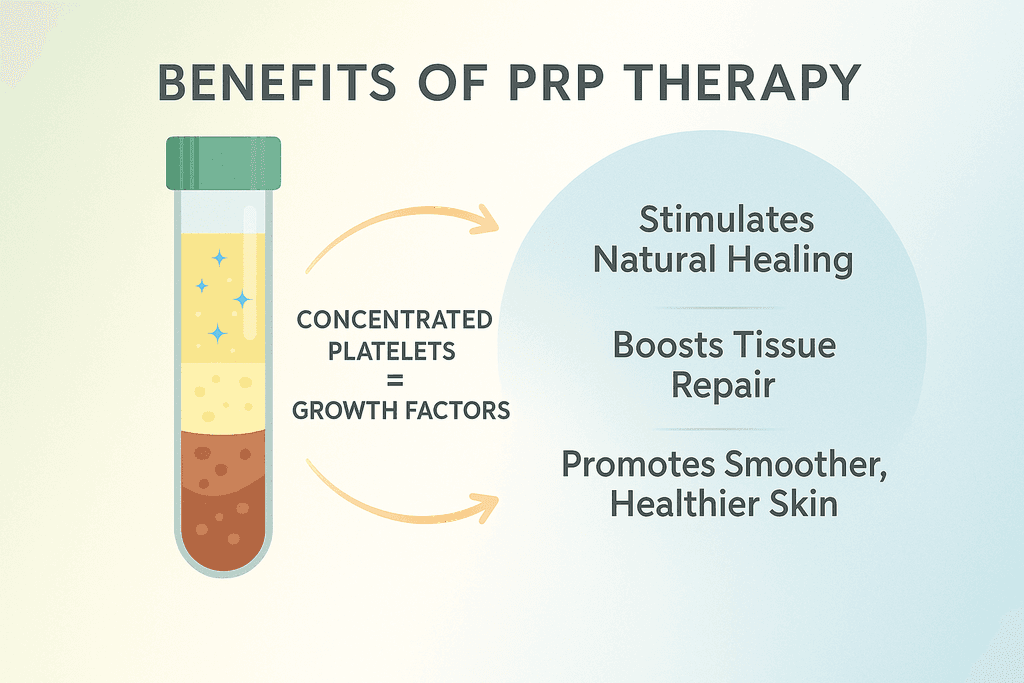
Your blood contains tiny cells called platelets that do much more than help cuts heal. These platelets are packed with special proteins called growth factors that tell your body to repair and rebuild damaged tissue. When doctors concentrate these platelets into a powerful formula, it becomes platelet-rich plasma, or PRP therapy. This treatment has been quietly used in hospitals and medical offices for over 30 years to help heal injuries, speed up recovery after surgery, and now restore thinning hair.
What Makes PRP Different
The beauty of PRP therapy is that it comes from your own body. A small amount of blood is drawn and then spun in a special machine that separates the platelet-rich portion from everything else. What you end up with is a concentrated dose of your body’s natural healing power.
Here’s what happens during the process:
- Blood is collected just like a regular blood test
- The sample goes into a centrifuge that spins it at high speed
- Platelets separate and concentrate into a golden-colored plasma
- This PRP gets injected into areas where hair is thinning
How PRP Wakes Up Sleeping Hair Follicles
Hair loss happens when follicles shrink and eventually go dormant. They’re not dead, just sleeping. PRP therapy works by delivering growth factors directly to these tired follicles, giving them the signal to wake up and start producing hair again.
The growth factors in PRP do several important things:
- Increase blood flow to the scalp and hair follicles
- Trigger the growth phase of the hair cycle
- Make existing hair strands thicker and stronger
- Reduce inflammation that can damage follicles
Proven Medical Background
Doctors have trusted PRP in various medical fields since the 1980s. Orthopedic surgeons use it for joint injuries, dentists apply it during dental procedures, and plastic surgeons rely on it for wound healing. The same science that helps athletes recover from torn tendons now helps people regrow their hair naturally.
At Beauty & Fly, Catherine Curtin uses PRP Therapy for Hair Loss as part of a personalized approach to hair restoration. The treatment takes advantage of your body’s own healing abilities without surgery or harsh chemicals. Because the plasma comes from your own blood, there’s minimal risk of allergic reactions or rejection.
| PRP Component | Normal Blood | PRP Concentration |
|---|---|---|
| Platelet Count | 150,000-400,000 per microliter | 1,000,000+ per microliter |
| Growth Factor Level | Standard | 3-5 times higher |
The science is straightforward. Your platelets already know how to heal your body. PRP therapy just puts them exactly where you need them most.
What Happens During Your PRP Hair Treatment
Most people are surprised to learn that PRP hair therapy uses your own blood to help regrow hair. The process starts with a simple blood draw, just like when you get routine lab work done at your doctor’s office. The whole appointment typically takes between 60 and 90 minutes from start to finish, though most of that time is spent preparing your plasma rather than the actual treatment itself. Once your blood is drawn, it goes into a centrifuge machine that spins it at high speeds to separate the platelet-rich plasma from the rest of your blood components. This concentrated plasma is what contains all the growth factors that will help wake up your hair follicles.

What Happens During Your PRP Hair Treatment
Before any injections begin, we apply a numbing cream to your scalp to keep you comfortable throughout the treatment. The cream needs about 20 to 30 minutes to work, which is usually right around the time your plasma finishes processing.
- Blood draw takes just a few minutes, similar to any lab test
- Centrifuge processing separates your platelets from other blood parts
- Numbing cream is applied while plasma processes
- Injections are placed strategically across thinning areas
- Multiple sessions spaced several weeks apart work best
The actual injection part goes faster than most people expect. At Beauty & Fly, Catherine uses a precise technique to place the PRP exactly where your hair needs the most help. Most patients need a series of treatments rather than just one session to see the best results, typically spaced about four to six weeks apart.
Step-by-Step Treatment Checklist
- Arrive for your appointment and complete any necessary paperwork
- Blood draw (approximately 10-20ml, similar to routine lab work)
- Blood is placed in centrifuge for processing (about 10-15 minutes)
- Numbing cream applied to treatment areas
- PRP is prepared and loaded into syringes
- Strategic injections placed across scalp in thinning areas
- Post-treatment instructions provided
- Schedule follow-up sessions as recommended
Who Benefits Most from PRP Hair Therapy
Not everyone with hair loss is a good candidate for PRP therapy, and that’s important to understand before you book a treatment. The therapy works best for people dealing with androgenetic alopecia, which is the medical term for pattern hair loss that runs in families. This is the most common type of hair loss for both men and women, showing up as a receding hairline or thinning crown in men and overall thinning across the top of the scalp in women. The key factor is whether your hair follicles are still alive but just weakened and producing thinner hair, or if they’ve completely shut down.

Who Benefits Most from PRP Hair Therapy
PRP therapy can’t bring back hair follicles that are completely dead, which is why it doesn’t work well on areas that have been totally bald for years. Think of it like trying to revive a plant that’s wilting versus one that’s already dried up completely.
| Hair Loss Type | PRP Suitability | Why |
|---|---|---|
| Androgenetic Alopecia (Pattern Hair Loss) | Excellent | Follicles are weakened but still active |
| Early-Stage Thinning | Excellent | Earlier intervention produces better results |
| Completely Bald Areas | Poor | Follicles may be permanently inactive |
| Scarring Alopecia | Not Recommended | Scar tissue prevents follicle function |
Both men and women can benefit from PRP hair therapy, though the pattern of hair loss looks different between the sexes. The earlier you start treatment, the better your results tend to be because you’re catching the problem while your follicles still have the ability to respond. During your consultation at Beauty & Fly, Catherine evaluates your specific type of hair loss to determine if PRP therapy is the right approach for your situation.
Results Timeline and What to Expect
One of the most common questions people ask about PRP therapy is when they’ll actually see results. Hair growth is a slow process no matter what treatment you use, so patience is really important here. Your hair follicles need time to respond to the growth factors in the PRP, shift from their resting phase back into active growth, and then produce new hair that’s thick enough to notice. Most people start seeing initial improvements around three to four months after their first treatment, though some notice changes sooner and others take a bit longer.
The full results become visible somewhere between six months and one year after starting your treatment series. But here’s what makes it worth the wait.
PRP Hair Restoration Timeline
Month 0-1: Initial treatment series begins, no visible changes yet
Month 2-3: Hair shedding may slow down, follicles entering growth phase
Month 3-4: First signs of improvement, some new hair growth visible
Month 6-9: Noticeable increase in hair thickness and density
Month 12+: Full results visible, maintenance treatments recommended
The improvements you see aren’t just about more hair growing back. Your existing hair becomes thicker, stronger, and healthier over time as the follicles get stronger. Many patients notice their hair feels different in texture and looks fuller even before they see significant new growth.
Maintenance treatments help keep your results going long-term since PRP doesn’t stop the underlying causes of hair loss. Some people combine PRP with other treatments like topical medications or supplements to get even better outcomes. At Beauty & Fly, we work with you to create a personalized plan that fits your goals and your schedule, making sure you understand what to expect at each stage of the process.
Why PRP Works Better Than Other Hair Loss Treatments
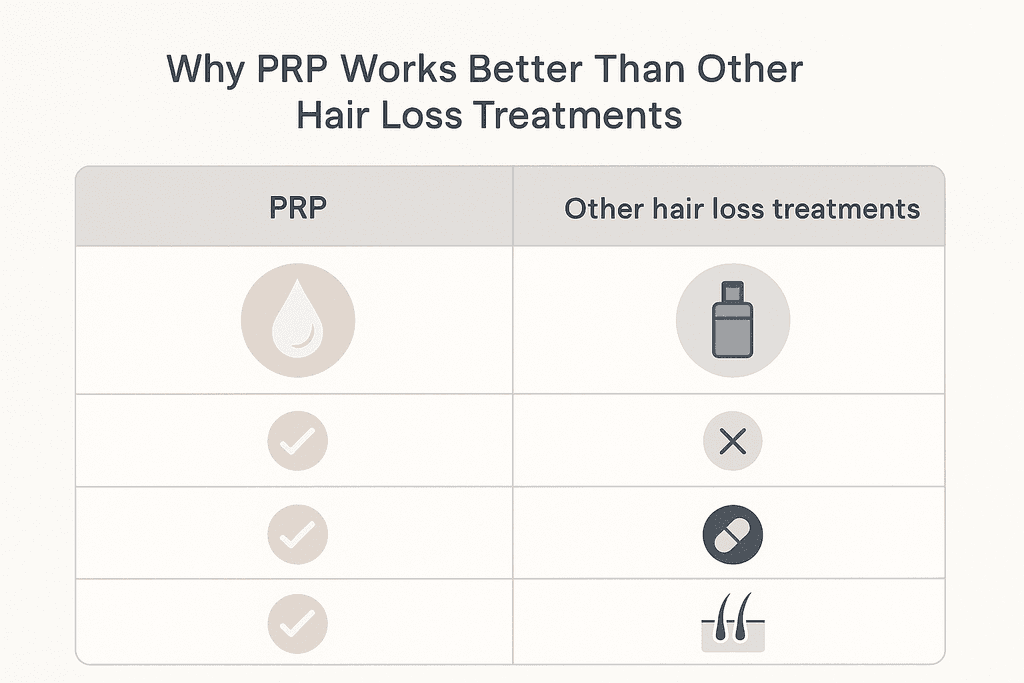
When you look at all the hair loss options out there, it’s easy to feel overwhelmed by the choices. Some treatments require daily pills with potential side effects, others involve rubbing foam on your scalp twice a day for the rest of your life, and surgical options can cost tens of thousands of dollars with weeks of recovery time. PRP therapy stands apart because it works with your body’s natural healing process rather than introducing foreign chemicals or requiring invasive procedures. At Beauty & Fly, our PRP therapy for hair loss uses your own blood’s growth factors to wake up dormant hair follicles and strengthen the ones you still have.
The biggest advantage of PRP therapy is that it addresses the actual problem at the root level. Most topical treatments just try to slow down hair loss, but they don’t actually make your follicles healthier or stronger.
| Treatment Type | Recovery Time | Risk of Reactions | Addresses Root Cause |
|---|---|---|---|
| PRP Therapy | Minimal (same day) | None (uses your own blood) | Yes |
| Topical Treatments | None | Possible scalp irritation | No |
| Oral Medications | None | Hormonal side effects possible | Partially |
| Hair Transplant Surgery | 2-4 weeks | Infection risk, scarring | Relocates hair only |
Because PRP uses your own platelets and growth factors, there’s zero risk of allergic reactions or rejection. Your body recognizes these healing components as its own, which means the treatment works naturally with your system instead of against it.
- No daily medications to remember or apply
- Works alongside other treatments if you’re already using them
- Results look completely natural since you’re enhancing your existing hair
- Can be repeated as needed without building up tolerance
The flexibility of PRP therapy makes it ideal whether you’re just starting to notice thinning or you’ve been dealing with hair loss for years. It strengthens what you have while encouraging new growth in areas that have gone dormant.
Taking the Next Step Toward Fuller Hair
PRP therapy offers a natural way to address hair loss by using your own body’s healing power. Unlike harsh chemicals or surgical procedures, this treatment works with your biology to encourage new growth where your hair has started to thin. The process is straightforward, and most people find they can return to their normal routine right after their appointment.
The key to getting the best results is starting treatment early. Once hair follicles are completely gone, even PRP therapy has its limits. But when you catch thinning hair in its earlier stages, the growth factors in your plasma can wake up dormant follicles and strengthen the ones that are still active.
At Beauty & Fly, PRP therapy for hair loss is personalized to your specific pattern of thinning and your goals. Catherine Curtin brings over 18 years of experience to each treatment, which means you’re working with someone who understands both the science and the artistry of hair restoration. The treatment plan she creates considers where you are now and where you want to be.
Most patients need a series of sessions spaced a few weeks apart, followed by maintenance treatments to keep their results. The timeline varies from person to person, but consistency matters more than anything else when it comes to seeing real improvement.
If you’ve been noticing more hair in your brush or a widening part line, it might be worth exploring whether PRP therapy could work for you. Some questions probably come to mind about how it works, what to expect, and whether you’re a good candidate.
Common Questions About PRP Hair Therapy
If you’re thinking about PRP therapy for hair loss, you probably have some questions about what to expect. Most people want to know if it hurts, how long it takes to work, and whether the results actually last. Here are the answers to the questions we hear most often at Beauty & Fly, where Catherine Curtin has been helping patients with hair restoration for years.
Is PRP therapy painful?
Most patients describe the treatment as mildly uncomfortable rather than painful. We apply a topical numbing cream before starting, which helps a lot. You might feel some pressure or slight pinching during the injections, but it’s usually very tolerable and the whole process takes less than an hour.
How many treatments will I need?
The typical protocol involves three initial sessions spaced about four to six weeks apart. After that, maintenance treatments every four to six months help keep your results going strong. Catherine creates a personalized plan based on your specific hair loss pattern and goals during your consultation.
Are there any side effects?
Since PRP therapy uses your own blood, serious side effects are rare. You might notice some mild swelling, redness, or tenderness at the injection sites for a day or two. Some patients get a slight headache afterward, but these minor effects usually clear up quickly on their own.
When will I see results?
Hair growth takes time, so patience is important here. Most people start noticing less shedding within the first month or two. Visible new growth typically shows up around three to six months after starting treatment, with continued improvement over the following months as your hair follicles respond to the growth factors.
How long do results last?
Results vary from person to person, but many patients maintain their improvements for a year or longer with proper maintenance. Regular touch-up sessions help extend your results and keep your hair looking fuller over time.
Can I combine PRP with other hair treatments?
Yes, PRP therapy actually works well alongside other hair loss treatments. Many patients continue using topical treatments or medications while doing PRP sessions. Catherine can discuss which combinations make sense for your situation and help you create a complete approach to hair restoration that fits your needs.