
Your face doesn’t age the same way as anyone else’s, yet many people approach facial rejuvenation by copying what worked for a friend or celebrity. The truth is that genetics, sun exposure, and even how you sleep all shape where lines form and volume disappears. At Beauty & Fly, personalized facial rejuvenation plans address your specific aging patterns instead of applying cookie-cutter solutions that can leave you looking overdone or disappointed.
Table of Contents
- Understanding How Your Face Changes Over Time
- Building Blocks of an Effective Rejuvenation Plan
- Treatment Options That Work Together
- Creating Your Timeline for Natural Results
- Why Personalized Plans Outperform Random Treatments
- Your Path to Confident, Natural Aging
- Common Questions About Facial Rejuvenation Plans
Understanding How Your Face Changes Over Time
Your face starts losing about 1% of its collagen and elastin every year after you turn 20. That might not sound like much, but by the time you’re 50, you’ve lost nearly a third of what keeps your skin firm and bouncy. The changes happen so slowly that you might not notice them day to day, but one morning you look in the mirror and wonder when those hollows under your eyes appeared. Understanding what’s actually happening beneath your skin helps you make smarter choices about facial rejuvenation treatments that work with your body’s natural processes.
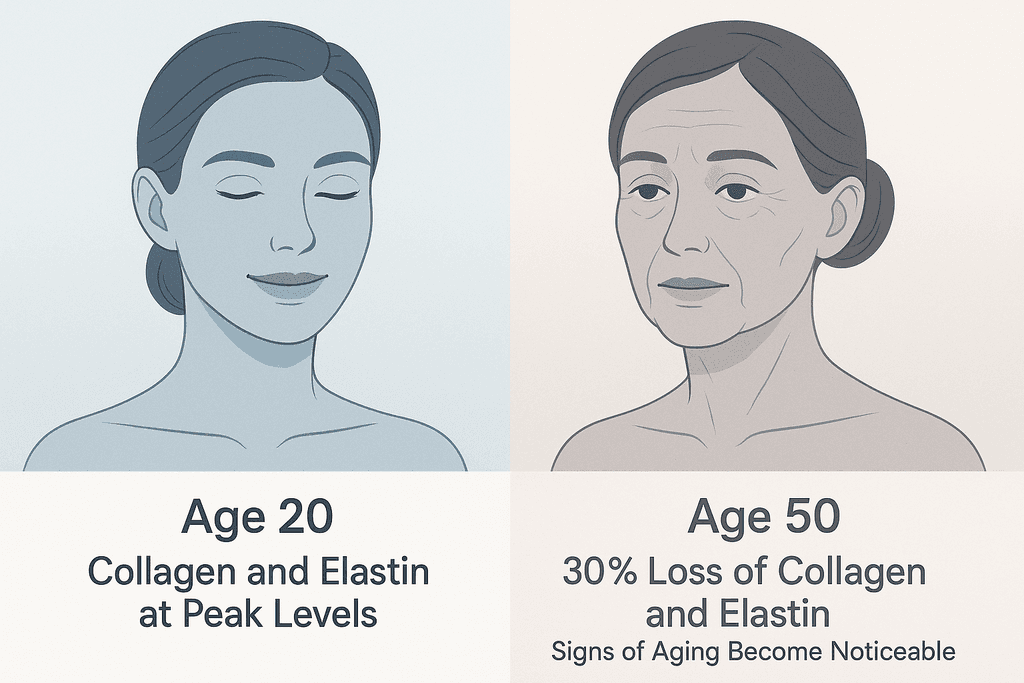
What Happens Beneath the Surface
The aging process affects every layer of your face, from the bone structure all the way up to the surface of your skin. Your bones actually shrink over time, which means the foundation that supports everything else gets smaller. Fat pads that used to sit high on your cheeks start sliding down and deflating, creating that tired look even when you’re well-rested.
Here’s what’s changing inside:
- Fat compartments in your face lose volume and shift downward
- Bone density decreases, especially around your eye sockets and jawline
- Muscles weaken and lose their ability to hold everything in place
- Blood flow to your skin decreases, which means fewer nutrients reach the surface
The skin itself goes through major changes too. Pores get bigger because the collagen around them breaks down. Fine lines turn into deeper wrinkles as the support structure underneath weakens. Sun damage from years ago starts showing up as dark spots and uneven tone.
Different Zones Age Differently
Not every part of your face ages at the same speed. Your forehead might show lines early while your cheeks stay smooth, or you might notice sagging around your jaw before anything else changes. This happens because different facial zones have different amounts of fat, muscle, and bone support.
| Facial Zone | Common Aging Signs | Typical Age of Onset |
|---|---|---|
| Upper Face | Forehead lines, frown lines | Late 20s to 30s |
| Mid Face | Cheek hollowing, under-eye bags | Mid 30s to 40s |
| Lower Face | Jowls, marionette lines | 40s to 50s |
| Overall Skin | Enlarged pores, uneven texture | 30s and beyond |
Research shows that combining different facial rejuvenation techniques works better than treating just one problem at a time. At Beauty & Fly, Catherine Curtin creates custom treatment plans that address multiple layers of aging, from bone resorption to surface texture changes, using a combination of dermal fillers, biostimulators, and advanced skin treatments like NOUVAderm laser and microneedling with PRP.
The good news is that understanding these changes means you can work with them instead of against them. Modern treatments can replace lost volume, stimulate your body to make more collagen, and improve skin texture without surgery or long recovery times.
Building Blocks of an Effective Rejuvenation Plan
Your face tells a story, but sometimes the plot moves faster than you’d like. The truth is, aging happens in patterns that are unique to each person. Some people notice lines around their eyes first, while others see volume loss in their cheeks or changes in skin texture. A good facial rejuvenation plan starts with understanding your specific aging pattern, not just copying what worked for someone else. This is where a professional assessment makes all the difference, identifying which areas need attention and which treatments will actually address your concerns.

Building Blocks of an Effective Rejuvenation Plan
At Beauty & Fly, Catherine Curtin spends real time during consultations mapping out these patterns. She looks at how your face moves, where volume has shifted, and what your skin quality reveals about the best approach forward.
- Professional assessment examines bone structure, muscle movement, skin quality, and volume distribution
- Treatment layering combines different approaches to address multiple concerns at once
- Strategic timing ensures treatments build on each other rather than compete
- Maintenance schedules keep results looking fresh without constant intervention
- Personalized adjustments adapt your plan as your face and goals evolve
The sequence matters more than most people realize. Certain treatments prepare your skin for others, while some need to be spaced weeks apart. Layering treatments strategically creates results that look natural because they develop gradually, not all at once.
Think of it like building a house. You wouldn’t install the roof before the foundation. The same logic applies to facial rejuvenation, where addressing deeper structural concerns before surface issues typically produces better outcomes.
Treatment Options That Work Together
Different treatments target different layers of your skin and face, which is exactly why combining them works so well. Neuromodulators like BOTOX work on the muscle layer, preventing the repeated movements that deepen lines over time. They’re preventive as much as corrective. Meanwhile, dermal fillers address what’s already happened, restoring volume that’s been lost and smoothing lines that have set in. These two approaches complement each other because they tackle aging from different angles, according to recent research on anti-aging procedures.

Treatment Options That Work Together
But there’s another category that works differently from both. Biostimulators don’t just fill space, they trigger your own collagen production, creating improvements that develop over months and last longer than traditional fillers.
| Treatment Type | What It Addresses | Results Timeline |
|---|---|---|
| Neuromodulators | Dynamic wrinkles, prevention | 3-7 days |
| Dermal Fillers | Volume loss, static lines | Immediate |
| Biostimulators | Collagen depletion | 2-3 months |
| Microneedling with PRP | Texture, tone, scars | 4-6 weeks |
| NOUVAderm Laser | Pigment, pores, texture | 1-2 weeks |
Skin quality treatments add another dimension entirely. Microneedling with PRP improves your skin from within, using your own platelets to stimulate healing and renewal. The NOUVAderm laser tackles surface concerns like pigmentation and pore size with minimal downtime, making it practical even for busy schedules.
VI Peel and Vivace treatments enhance overall skin quality in ways that make other treatments look even better. When your skin texture is smooth and even, fillers blend more naturally and neuromodulators create cleaner results. The synergy between treatments often produces better outcomes than any single approach, which is why comprehensive plans typically outperform isolated treatments.
Creating Your Timeline for Natural Results
Some treatments show results before you leave the office, while others take weeks or months to fully develop. Understanding these different timelines helps set realistic expectations and prevents the frustration of thinking something isn’t working when it actually just needs more time. Fillers create immediate volume, though minor swelling might mask the final result for a few days. Neuromodulators take three to seven days to kick in fully. Biostimulators and PRP treatments work gradually, building results over two to three months as your body responds to the stimulus.
This is actually an advantage when you’re trying to age gracefully. Gradual improvements look natural because people around you don’t notice a sudden change, they just think you look well-rested or healthy. Spacing treatments properly prevents that overdone appearance that happens when too much is done too fast.
- Immediate results: Dermal fillers, some laser treatments
- Quick results (under 2 weeks): Neuromodulators, chemical peels
- Gradual building (1-3 months): Biostimulators, PRP therapy, microneedling
- Maintenance frequency: Every 3-6 months depending on treatment type
Seasonal timing matters for certain treatments too. Peels and laser treatments work best when you can avoid sun exposure afterward, making fall and winter ideal for many people. Planning around important events requires working backward from the date, accounting for both treatment time and any minor downtime.
Catherine Curtin helps patients map out these timelines during consultations, creating schedules that fit real life. Some people prefer spacing everything out over a year, while others want to address multiple concerns within a few months. The right timeline depends on your goals, your schedule, and how your skin responds to initial treatments. Research shows that combination approaches to facial aging often require strategic timing for optimal results.
Building results gradually also gives you control over the process. You can see how each treatment affects your appearance and decide whether to continue, adjust, or maintain. This measured approach prevents regret and ensures you always look like yourself, just refreshed.
Why Personalized Plans Outperform Random Treatments
Most people approach facial rejuvenation the same way they handle car maintenance—waiting until something breaks before taking action. This reactive mindset might work for oil changes, but your face deserves better. When you jump from one trendy treatment to another without a clear plan, you’re essentially gambling with your appearance. Strategic facial rejuvenation planning prevents the most common mistake in aesthetic medicine: over-treating certain areas while completely neglecting others, which creates an unbalanced, artificial look that screams “work done” instead of “aging gracefully.”
The Hidden Costs of Random Treatments
Chasing individual treatments without coordination actually costs more money over time. You might think you’re saving by only getting Botox when you remember, but this approach misses how different treatments work together to amplify results.
| Approach | Short-Term Cost | Long-Term Results | Risk Level |
|---|---|---|---|
| Sporadic Treatments | Lower per visit | Inconsistent, unbalanced | Higher |
| Planned Strategy | Structured investment | Natural, harmonious | Lower |
The difference becomes obvious when you consider how treatments interact. Catherine Curtin’s 18 years of experience means she knows exactly how neuromodulators will affect your filler placement six months down the road, or when microneedling will enhance your biostimulator results.
Consistency Matters More Than You Think
Working with one experienced provider creates a living record of your facial changes. Your face doesn’t age the same way every year, and facial aging follows predictable patterns by decade that require different approaches over time.
- A single provider tracks subtle changes you might not notice yourself
- Treatment plans adapt as your skin texture, volume, and elasticity shift
- Consistent care prevents the “correction cycle” where you’re always fixing previous mistakes
- Patient education throughout builds your understanding of what works for your unique face
Planned Versus Sporadic The Real Difference
The benefits of strategic planning extend beyond just better results. When you have a roadmap, you know what to expect and when.
Advantages of a personalized facial rejuvenation plan:
- Treatments build on each other instead of working in isolation
- You avoid over-correction in popular areas like lips or cheeks
- Budget planning becomes easier when you know the year ahead
- Results look natural because everything stays proportional
- Safety increases when one provider understands your complete treatment history
Drawbacks of sporadic, reactive treatments:
- Higher risk of unnatural results from over-treating trendy areas
- Wasted money on treatments that don’t complement each other
- No one tracking how your face responds over time
- Constantly playing catch-up instead of preventing issues
At Beauty & Fly, every client works directly with Catherine for this exact reason. She doesn’t just treat what you ask for—she considers how each treatment fits into your bigger picture, ensuring your facial rejuvenation journey supports aging gracefully rather than fighting against it.
Your Path to Confident, Natural Aging
The truth about facial rejuvenation is that it works best when you think of it as a plan, not a single treatment. Your skin changes over time, and what works at 35 might need adjustments by 45. That’s why having a roadmap matters more than chasing the latest trend or trying to fix everything at once.
The most natural results come from combining different approaches rather than relying on just one thing. Maybe you start with neuromodulators to soften lines, then add microneedling with PRP a few months later to improve texture. Or perhaps dermal fillers restore volume while the NOUVAderm laser handles pigmentation issues. Each treatment builds on the others.
Working with someone who really knows what they’re doing makes all the difference. At Beauty & Fly, Catherine Curtin brings 18 years of experience to every consultation, helping you understand which treatments make sense for your specific concerns and goals. She’s trained other practitioners in these techniques, so you’re learning from someone who literally teaches this stuff.
The best place to start is with a conversation about what you’re noticing and what bothers you most. Some people worry about deep lines, others about sagging or dull skin. Your concerns shape your plan, and that plan can adjust as your needs change.
You probably have questions about timing, what to expect, or which treatments pair well together. That’s completely normal.
Common Questions About Facial Rejuvenation Plans
Starting a facial rejuvenation plan brings up a lot of questions, especially if you’re used to just getting treatments here and there. Most people want to know what they’re committing to before they start, and that makes total sense. Here are the answers to the questions we hear most often from patients considering a personalized approach to aging gracefully.
How long does it take to see results from a rejuvenation plan?
It depends on which treatments are part of your plan. Some results, like those from neuromodulators such as BOTOX, show up within a few days to two weeks. Other treatments like microneedling with PRP or biostimulators work more gradually, building collagen over several weeks to months. Most patients notice visible improvements within the first month, with results continuing to develop as treatments layer together over time.
Do I have to commit to all treatments at once?
Not at all. Your facial rejuvenation plan is built around what works for your schedule and comfort level. Some patients prefer to start with one or two treatments and add more as they see results, while others like to follow a more structured timeline from the beginning. At Beauty & Fly, Catherine works with you to create a plan that fits your life, not the other way around.
Can my plan change as my needs change?
Yes, and it probably will. Your skin changes with seasons, stress, hormones, and time, so your treatment plan should adapt too. Catherine reassesses your progress at each visit and adjusts your plan based on how your skin responds and what new concerns might come up. Think of it as a living document rather than something set in stone.
How is a plan different from just getting Botox occasionally?
Getting occasional treatments is like watering a plant only when you remember. A facial rejuvenation plan is more like having a garden schedule that keeps everything thriving year-round. The plan approach combines different treatments that work together, addressing multiple layers of skin aging instead of just one concern at a time. You end up with more natural, comprehensive results that last longer.
What happens during the initial consultation?
Catherine spends time really listening to what bothers you about your skin and what results you’re hoping for. She’ll examine your skin, discuss your medical history, and explain which treatments would work best for your specific concerns. You’ll leave with a clear understanding of what to expect, including realistic timelines and how treatments will be spaced out.
How do I know which treatments are right for me?
That’s exactly what the consultation is for. Catherine’s 18 years of experience in aesthetic medicine means she can look at your skin and know which combination of treatments will give you the best results. She’ll explain why she recommends certain options and make sure you understand how each one fits into your overall plan before moving forward.