
More people now choose non-surgical aesthetics over going under the knife, and it’s easy to see why when you look at the results. Facial rejuvenation no longer requires weeks of recovery or dramatic changes—today’s treatments work with your natural features to turn back the clock gradually. At Beauty & Fly, Catherine Curtin uses a range of advanced options to help clients look refreshed without anyone guessing they had work done.
Table of Contents
- Why Non-Surgical Treatments Have Taken Over
- Injectable Treatments That Smooth and Restore
- Skin Resurfacing Treatments for Texture and Tone
- Combination Approaches for Maximum Results
- Choosing What’s Right for Your Skin Goals
- Your Path to Natural-Looking Rejuvenation
- Common Questions About Non-Surgical Facial Rejuvenation
Why Non-Surgical Treatments Have Taken Over
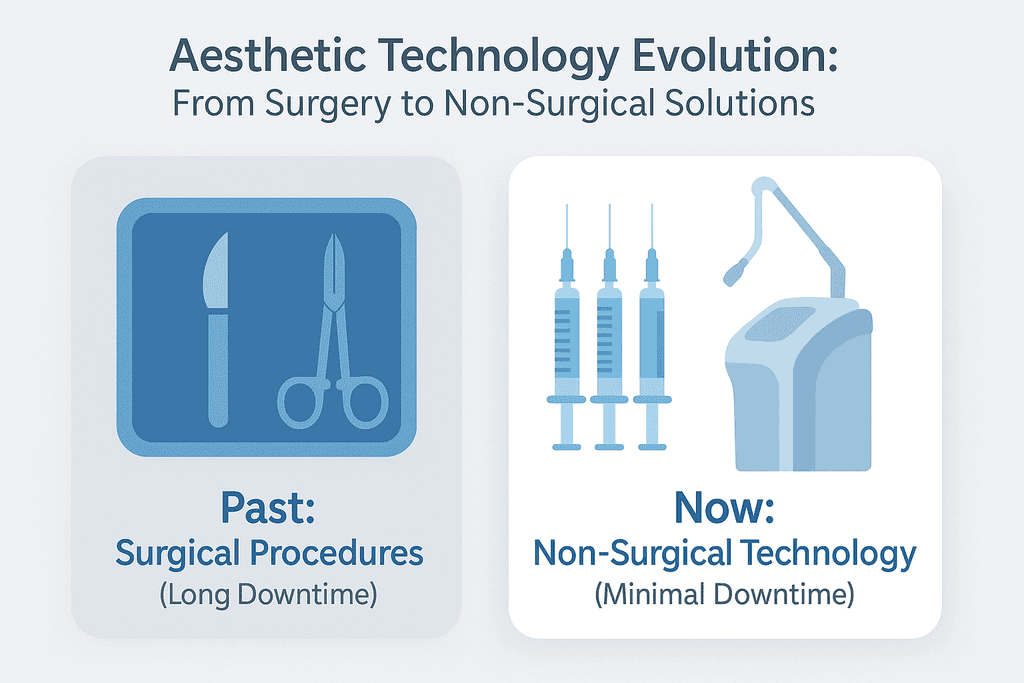
About twenty years ago, if you wanted to look younger, your main option was going under the knife. Face lifts, brow lifts, and eyelid surgery meant weeks of recovery, visible scars, and results that sometimes looked a bit too obvious. But something changed in the early 2000s when doctors started using injectable treatments in new ways, and suddenly people had choices that didn’t involve surgery at all. Today, non-surgical facial rejuvenation makes up over 90% of all cosmetic procedures performed in the United States, and that number keeps growing every year.
What Makes Non-Surgical Different
The biggest shift happened when people realized they didn’t need to go all-in with surgery to see real changes. Non-surgical aesthetics work differently because they enhance what you already have instead of changing your face completely. At Beauty & Fly, Catherine Curtin uses treatments like neuromodulators, dermal fillers, and advanced laser therapies to help clients look refreshed without looking “done.”
Here’s what makes these treatments so popular:
- No general anesthesia or hospital stays required
- Most people go back to work the same day or next day
- Results appear gradually so nobody notices a sudden change
- Lower cost compared to surgical procedures
- Fewer risks and complications than surgery
How Technology Changed Everything
The tools available now are nothing like what existed even ten years ago. Lasers like the NOUVAderm can tighten pores and even out skin tone with almost no downtime. Microneedling with PRP uses your own blood’s healing power to rebuild collagen from the inside out. These aren’t just temporary fixes anymore.
| Treatment Type | Typical Downtime | Results Last |
|---|---|---|
| Neuromodulators (BOTOX®) | None | 3-4 months |
| Dermal Fillers | 1-2 days | 6-18 months |
| Microneedling with PRP | 2-3 days | 6-12 months |
| Laser Treatments | 3-5 days | 1-2 years |
What People Actually Want Now
The demand for subtle changes has completely reshaped the aesthetic medicine field. Most clients don’t want to look like someone else or even like a younger version of themselves. They just want to look well-rested, healthy, and like they’re aging gracefully. Natural-looking results have become the gold standard, and that’s exactly what non-surgical treatments deliver best.
People also appreciate having options they can try without major commitment:
- Start with one area and add more treatments over time
- Adjust your treatment plan based on how you respond
- Maintain results with regular appointments instead of one big procedure
- Combine different treatments for a customized approach
This personalized approach is why practices like Beauty & Fly focus on listening to what each client actually wants. When you work with the same provider every time, they get to know your face and your goals, which means better results that actually match what you’re looking for.
Injectable Treatments That Smooth and Restore
Most people don’t realize that not all injectables work the same way. Some freeze muscles while others fill space, and understanding the difference helps you pick what actually works for your face. The three main types of injectables each tackle aging from a different angle, which is why experienced providers often mix and match them. At Beauty & Fly, we use all three categories depending on what your skin needs most.

Injectable Treatments That Smooth and Restore
Neuromodulators like BOTOX work by relaxing the muscles that create wrinkles when you smile, frown, or squint. These are called dynamic wrinkles because they show up with movement. The treatment takes about 10 minutes and results appear within a few days, lasting around three to four months before you need a touch-up.
- Best for forehead lines, crow’s feet, and frown lines between eyebrows
- Results appear in 3-7 days and last 3-4 months
- No downtime needed after treatment
- Works by preventing muscle contractions that cause wrinkles
Dermal fillers are gel-like substances that restore volume where your face has lost fullness over time. Think of them as filling in the gaps that age creates. They work immediately and can last anywhere from six months to two years depending on which type you get and where it’s placed.
Then there are biostimulators, which might be the most interesting option of all. Instead of just filling space, biostimulators trigger your own body to make more collagen over several months. The results build gradually and can last two years or longer because you’re actually creating new tissue.
| Treatment Type | What It Treats | How Long It Lasts | Best For |
|---|---|---|---|
| Neuromodulators | Dynamic wrinkles from muscle movement | 3-4 months | Forehead, crow’s feet, frown lines |
| Dermal Fillers | Volume loss, static lines, hollow areas | 6-24 months | Cheeks, lips, under eyes, nasolabial folds |
| Biostimulators | Overall volume loss, skin quality | 2+ years | Full face rejuvenation, gradual natural results |
Different areas of your face respond better to different types of injectables. Your forehead and eye area typically need neuromodulators, while cheeks and lips benefit more from fillers. This is where working with someone experienced makes all the difference in getting natural results.
Skin Resurfacing Treatments for Texture and Tone
While injectables change the shape and movement of your face, resurfacing treatments work on the skin itself. These options improve what’s happening at the surface and just below it, addressing problems that injectables can’t touch. The goal is better texture, more even tone, smaller pores, and that overall glow that comes from healthy skin. Most people need both types of treatments for complete facial rejuvenation.
Skin Resurfacing Treatments for Texture and Tone
Microneedling with PRP uses tiny needles to create controlled micro-injuries in your skin, which sounds scary but actually triggers your body’s natural healing response. When we add platelet-rich plasma from your own blood, the healing gets supercharged. Your skin thinks it needs to repair itself and starts pumping out fresh collagen and elastin.
- Treats acne scars, fine lines, large pores, and uneven texture
- Requires 3-6 sessions spaced about a month apart
- Minimal downtime with some redness for 1-2 days
- Results improve over several months as collagen builds
Chemical peels like the VI Peel work differently by removing damaged outer layers of skin. The peel solution sits on your face for a specific time, then over the next week your skin literally peels off to reveal fresher skin underneath. It sounds intense, but it’s one of the most effective ways to tackle sun damage, age spots, and acne scars all at once.
The NOUVAderm laser takes a more advanced approach to skin resurfacing. This laser targets specific concerns like pigmentation, pore size, and texture without the longer downtime that older lasers required. Most people see improvement in tone and texture after just one treatment, though a series works best for dramatic results.
| Treatment | Main Benefits | Downtime |
|---|---|---|
| Microneedling with PRP | Collagen production, scar improvement, texture refinement | 1-2 days redness |
| VI Peel | Pigmentation, acne, sun damage, fine lines | 5-7 days peeling |
| NOUVAderm Laser | Tone, texture, pore tightening, pigment reduction | Minimal to none |
What makes these treatments powerful is that they create lasting change beneath the surface. You’re not just covering up problems but actually improving your skin’s structure and function. The results continue developing for months after treatment as your body builds new collagen.
Combination Approaches for Maximum Results
Here’s what most people learn after their first treatment: one type of procedure rarely solves everything. Your face ages in multiple ways at once, so addressing just wrinkles or just texture leaves other concerns untouched. The providers who get the best results understand how to layer different treatments strategically. At Beauty & Fly, Catherine Curtin designs custom treatment plans that tackle multiple aging concerns in the right sequence.
Combining treatments works because each one addresses a different layer or aspect of aging. For example, you might use neuromodulators to relax forehead lines, fillers to restore cheek volume, and microneedling to improve overall skin texture. Together, these create a more complete rejuvenation than any single treatment could achieve.
- Neuromodulators plus fillers address both dynamic and static wrinkles
- Laser treatments plus PRP therapy improve both tone and texture
- Chemical peels followed by biostimulators refresh surface and rebuild structure
- Microneedling combined with specific serums targets multiple skin concerns
The timing matters just as much as which treatments you choose. Some procedures need to happen in a specific order to avoid interfering with each other. For instance, you’d typically do laser treatments before injectables, and space certain procedures weeks apart to let your skin heal properly between sessions.
This is where working with an experienced provider becomes essential. Catherine’s 18 years in aesthetic medicine means she knows which combinations produce natural results and which timing sequences work best. Every patient gets a personalized plan based on their specific concerns, skin type, and goals rather than a one-size-fits-all approach.
The best treatment plans also consider your lifestyle and schedule. Some people prefer a series of gentler treatments with minimal downtime, while others want more aggressive options with faster results. A good provider listens to what matters to you and builds a plan that fits your life, not just what looks good on paper.
Choosing What’s Right for Your Skin Goals
The hardest part about facial rejuvenation isn’t the treatments themselves—it’s figuring out which one actually matches what you need. A lot of people walk into a med spa thinking they need fillers when what they really need is something to improve texture, or they want Botox when volume loss is the real issue. Getting this wrong means spending money on treatments that don’t solve your actual problem, which is frustrating for everyone involved. The good news is that once you understand how different treatments work, the choice becomes much clearer. At Beauty & Fly, Catherine Curtin spends real time during consultations matching specific concerns to the right approach, which is why her patients see results that actually look like themselves, just refreshed.
Matching Concerns to Treatments
Different aging concerns need different solutions, and mixing them up is where people get disappointed. Wrinkles respond to neuromodulators, volume loss needs fillers or biostimulators, and texture issues require resurfacing treatments like microneedling or lasers.
- Fine lines and wrinkles from muscle movement work best with neuromodulators
- Hollow cheeks, thin lips, or sunken temples need dermal fillers to restore volume
- Rough texture, large pores, or scarring respond to microneedling, PRP, or laser treatments
- Overall skin quality and collagen loss benefit from biostimulators and combination approaches
Lifestyle and Downtime Considerations
Your schedule matters more than you think when choosing non-surgical aesthetics. Some treatments let you walk out and go straight to dinner, while others need a few days of looking a little pink or swollen.
- Injectables typically have minimal downtime with possible minor bruising
- Chemical peels and laser treatments may require 3-7 days of social downtime
- Microneedling with PRP usually involves redness for 24-48 hours
- Hair restoration with PRP needs multiple sessions spaced weeks apart
Setting Realistic Expectations
Here’s what nobody tells you: no single treatment fixes everything at once. Facial rejuvenation usually works best as a layered approach over time, not a one-and-done situation.
Questions to Ask Yourself When Choosing Facial Rejuvenation Treatments
- What bothers me most when I look in the mirror—lines, sagging, texture, or dullness?
- How much downtime can I realistically handle with my work and social schedule?
- Am I looking for immediate results or willing to build improvements gradually?
- Do I want to prevent aging signs or correct existing concerns?
- Have I researched what results actually look like, not just the best-case scenarios?
The value of working with an experienced provider like Catherine at Beauty & Fly is that she’s seen thousands of faces and knows what actually works for different skin types and concerns. That kind of expertise means you’re not guessing or trying treatments randomly—you’re following a plan designed specifically for your goals, which saves both time and money in the long run.
Your Path to Natural-Looking Rejuvenation
The good news is that you don’t need surgery to see real improvements in your skin. Non-surgical facial rejuvenation has come a long way, and the options we’ve covered can address everything from fine lines and volume loss to texture issues and pigmentation. The tricky part is figuring out which approach makes sense for your specific concerns and goals.
Most people get the best results when they combine treatments rather than relying on just one. A skilled provider can look at your skin and create a plan that might include neuromodulators for dynamic wrinkles, fillers for volume, and something like microneedling or laser treatments for overall texture. That’s where experience really matters.
Working with someone who knows what they’re doing makes all the difference between looking refreshed and looking overdone. At Beauty & Fly, Catherine Curtin brings 18 years of aesthetic medicine experience to every treatment plan, which means you’re getting someone who understands how different treatments work together and what will actually suit your face.
The right provider will listen to what bothers you most about your skin and suggest a realistic path forward. They’ll also be honest about what each treatment can and can’t do, which saves you time and money in the long run.
If you’re curious about which non-surgical options might work for your specific situation, there are probably a few questions on your mind about timing, results, and what to expect.
Common Questions About Non-Surgical Facial Rejuvenation
Choosing the right facial rejuvenation treatment can feel overwhelming when you’re looking at all the options available. Most people have similar questions about what to expect, how safe these procedures are, and whether the results will look natural. Here are the answers to the most common questions we hear from patients considering non-surgical aesthetics at Beauty & Fly.
How long do non-surgical treatments last?
The duration varies quite a bit depending on which treatment you choose. Neuromodulators like BOTOX typically last three to four months, while dermal fillers can last anywhere from six months to two years depending on the product and area treated. Biostimulators and treatments like Microneedling with PRP work by stimulating your own collagen production, so results develop gradually and can last a year or longer with proper maintenance.
Are these treatments safe?
When performed by an experienced provider, non-surgical facial rejuvenation treatments have excellent safety profiles. Catherine Curtin has over 18 years of experience in aesthetic medicine and trains other practitioners in advanced techniques, which means you’re in highly skilled hands. Most treatments use FDA-approved products and techniques that have been studied extensively, with minimal risks when administered properly.
How do I know which treatment is right for me?
This is where a personalized consultation makes all the difference. At Beauty & Fly, Catherine meets with each patient individually to assess your skin, discuss your concerns, and understand your goals. She’ll recommend a treatment plan based on what will actually work for your specific needs, whether that’s addressing volume loss, improving skin texture, or reducing fine lines.
Can I combine different treatments?
Yes, and combining treatments often produces better results than any single procedure alone. Many patients pair neuromodulators with dermal fillers for comprehensive facial rejuvenation, or add treatments like the NOUVAderm laser or VI Peel to address skin texture and tone. Catherine will create a customized plan that layers treatments strategically for optimal outcomes.
What is the recovery time?
Most non-surgical treatments have minimal downtime, which is one of their biggest advantages. You might have some redness or mild swelling for a day or two after injectables, while treatments like chemical peels or Microneedling may involve a few days of flaking or peeling. The NOUVAderm laser is designed specifically for minimal downtime, so you can return to normal activities quickly.
When will I see results?
Timeline depends on the treatment type. Neuromodulators take about three to seven days to show full effects, while dermal fillers provide immediate volume that settles over a week or two. Treatments that stimulate collagen production, like PRP Therapy and biostimulators, work more gradually with results appearing over several weeks to months as your skin naturally regenerates.