
Those brown spots that suddenly appeared on your cheeks weren’t there last year, but they’ve actually been forming under your skin for decades from past sun exposure. When you’re ready to fade them, you’ll find that not every chemical peel works the same way on stubborn pigmentation. The VI Peel is a specific type of chemical peel designed to target sun spots differently than traditional peels, and understanding which option fits your skin can make all the difference in your results.
Table of Contents
- What Makes Sun Spots So Stubborn
- How Traditional Chemical Peels Target Sun Spots
- What Makes VI Peel Different for Pigmentation
- Comparing Results, Downtime, and What to Expect
- Choosing the Right Treatment for Your Skin Goals
- Finding Your Path to Clearer Skin
- Common Questions About Chemical Peels for Sun Spots
What Makes Sun Spots So Stubborn
Your skin remembers every sunny day you forgot sunscreen. Sun spots, also called age spots or liver spots, show up when your skin produces too much melanin in response to UV damage. Think of melanin as your skin’s natural defense system that goes into overdrive after years of sun exposure. The problem is that once these dark patches form, they don’t just fade away on their own like a regular tan would.
These stubborn marks typically appear on the areas that get the most sun over your lifetime. Your face, hands, shoulders, and chest are the usual suspects. Most people start noticing them in their 40s and 50s, but they can show up earlier if you’ve spent a lot of time outdoors.
Why Drugstore Creams Don’t Work
You’ve probably tried a few brightening creams from the pharmacy with little to show for it. There’s a good reason those products rarely deliver results. Over-the-counter treatments simply can’t penetrate deep enough to reach where the excess melanin lives in your skin. Sun spots form in the deeper layers of your skin, and most store-bought products only work on the surface.
Here’s what makes sun spots so hard to treat at home:
- The melanin clusters sit deep in the dermis layer of skin
- Drugstore products contain lower concentrations of active ingredients
- Surface treatments can’t break up established pigment deposits
- Results take months or years with minimal visible improvement
How Professional Peels Target the Problem
Professional treatments like a chemical peel work differently than anything you can buy at a store. They remove the damaged skin layers where sun spots live, allowing fresh, evenly toned skin to come through. At Beauty & Fly, we use advanced options like the VI Peel that contain medical-grade ingredients strong enough to actually make a difference.
The science behind professional peels is pretty straightforward:
- Controlled exfoliation removes layers of damaged skin cells
- Active ingredients break down melanin clusters at their source
- New skin cells grow without the excess pigmentation
- Results appear within days to weeks, not months
| Treatment Type | Penetration Depth | Typical Results Timeline |
|---|---|---|
| Over-the-Counter Creams | Surface only | 6-12 months (minimal) |
| Professional Chemical Peel | Medium depth | 1-2 weeks |
| VI Peel | Medium depth | 7-10 days |
The difference comes down to strength and precision. Professional peels can safely reach the skin layers where sun damage actually exists.
How Traditional Chemical Peels Target Sun Spots
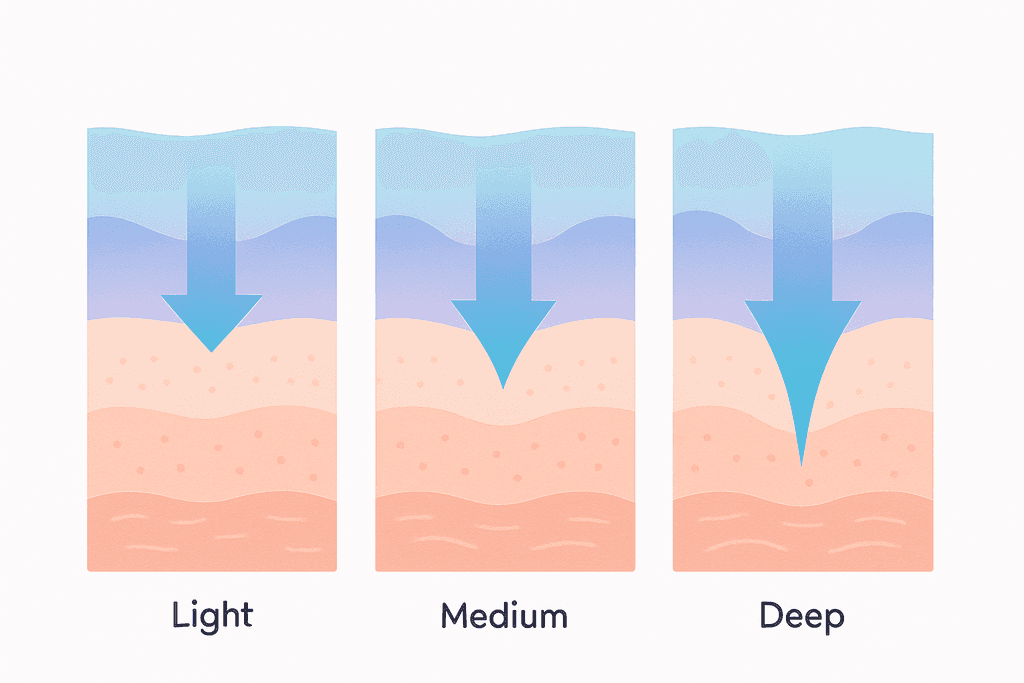
Sun spots don’t just appear overnight, and getting rid of them isn’t always a one-and-done deal either. Traditional chemical peels have been around for decades, working by removing damaged outer layers of skin to reveal fresher, more even-toned skin underneath. The basic idea is simple: apply an acid solution to your face, let it do its work, and watch as your skin sheds away the pigmented cells. But not all chemical peels are created equal, and the type you need depends on how deep those sun spots have settled into your skin.
How Traditional Chemical Peels Target Sun Spots
Light peels are the gentlest option, using glycolic acid or lactic acid to address surface-level pigmentation. These work well for mild sun spots that haven’t been sitting on your face for years. You might need several sessions spaced a few weeks apart, but the upside is minimal downtime.
- Light peels typically cause mild redness and flaking for 1-3 days
- Best for superficial pigmentation and overall skin brightening
- Usually require 4-6 treatments for noticeable sun spot reduction
- Can be done monthly as part of a maintenance routine
Medium peels penetrate deeper using trichloroacetic acid (TCA) at higher concentrations. These are the workhorses for stubborn sun spots that haven’t responded to gentler treatments. The recovery time is longer, usually about a week of visible peeling, but the results can be more dramatic. Most people see significant improvement after just one or two sessions.
Deep peels are rarely needed for sun spots alone. They’re more intense, require serious downtime, and come with higher risks. For pigmentation issues, going this deep usually isn’t necessary when lighter options can get the job done.
| Peel Type | Active Ingredients | Downtime | Sessions Needed |
|---|---|---|---|
| Light | Glycolic or Lactic Acid | 1-3 days | 4-6 treatments |
| Medium | TCA (20-35%) | 5-7 days | 1-2 treatments |
| Deep | Phenol or High TCA | 2-3 weeks | Usually 1 treatment |
The results from traditional chemical peels appear gradually as your skin heals and regenerates new cells. You won’t wake up the next day with perfect skin, but over the following weeks, you should notice your sun spots fading as fresh, unblemished skin takes their place.
What Makes VI Peel Different for Pigmentation
VI Peel takes a different approach by combining multiple active ingredients in one proprietary formula. Instead of relying on a single acid to do all the work, it brings together TCA, retinoic acid, salicylic acid, phenol, and vitamin C in specific ratios. This combination was designed specifically to tackle pigmentation issues like sun spots and melasma, which is why it’s become such a popular choice for people dealing with uneven skin tone. The formula works on multiple levels at once, breaking down pigmented cells while also stimulating collagen production and protecting against future damage.

What Makes VI Peel Different for Pigmentation
One of the biggest advantages of VI Peel is its predictability. You know exactly what to expect: one treatment, followed by 3-7 days of peeling, with results appearing within a week or two. There’s no guessing about how many sessions you’ll need or when you’ll see improvement.
- Single treatment protocol means less time commitment
- Safe for all skin types, including darker complexions that might be at higher risk with other peels
- The vitamin C component helps brighten while protecting against oxidative damage
- Retinoic acid speeds up cell turnover for faster results
At Beauty & Fly, Catherine customizes the VI Peel application based on your individual pigmentation patterns. Not everyone’s sun spots are the same, and having someone with 18 years of aesthetic medicine experience assess your skin makes a real difference in outcomes. She looks at factors like how deep the pigmentation sits, your skin type, and your lifestyle to determine the best approach.
The treatment itself is straightforward. The solution goes on in layers, you might feel some tingling, and then you go home with specific aftercare instructions. The peeling starts around day three and continues for several days as the damaged skin sheds away.
Benefits of VI Peel for Sun Spots:
- Addresses pigmentation at multiple skin depths simultaneously
- Lower risk of post-inflammatory hyperpigmentation in darker skin tones
- Includes built-in skin protectants and brightening agents
Considerations:
- Requires strict sun avoidance during healing
- Peeling can be visible and may affect social plans
- Not suitable if you’re pregnant or nursing
Comparing Results, Downtime, and What to Expect
When you’re trying to decide between a traditional chemical peel and VI Peel for your sun spots, the practical differences matter just as much as the science behind them. VI Peel typically delivers visible results after just one treatment, while traditional light peels usually require multiple sessions spread over several months. That doesn’t mean one is automatically better than the other, but it does affect your timeline and commitment level. If you need results for an upcoming event or just prefer to get it done in one go, that single-treatment approach has obvious appeal.

Comparing Results, Downtime, and What to Expect
The peeling process itself looks different too. With VI Peel, you can expect 3-7 days of visible peeling that follows a fairly predictable pattern. Traditional peels vary more depending on the depth and type of acid used.
| Factor | Traditional Chemical Peel | VI Peel |
|---|---|---|
| Treatments Needed | 4-6 for light, 1-2 for medium | Typically 1 treatment |
| Peeling Duration | 1-7 days depending on depth | 3-7 days |
| Results Visible | Gradual over weeks to months | Within 1-2 weeks |
| Sun Protection Required | Yes, during healing | Yes, during healing |
Both options require serious sun protection while your skin heals. This isn’t optional. Your new skin is vulnerable, and sun exposure can actually make pigmentation worse or create new spots. Think of it as protecting an investment.
Results can last anywhere from several months to years, but that depends heavily on how well you take care of your skin afterward. Daily sunscreen, quality skincare products, and avoiding excessive sun exposure all play a role in maintaining your results. Most people benefit from maintenance treatments once or twice a year to keep sun spots from creeping back.
- Both treatments require 2-4 weeks of strict sun avoidance during peak healing
- Maintenance peels help sustain improvements long-term
- Professional skincare products like SkinBetter science can extend results between treatments
- Cost per treatment varies, but factor in the total number of sessions needed
The choice between traditional chemical peels and VI Peel often comes down to your specific skin concerns, lifestyle, and how much downtime you can manage. Some people prefer the gentler, gradual approach of light peels, while others want the efficiency of a single VI Peel treatment. There’s no universal right answer, which is why working with an experienced provider who can assess your individual situation matters so much.
Choosing the Right Treatment for Your Skin Goals
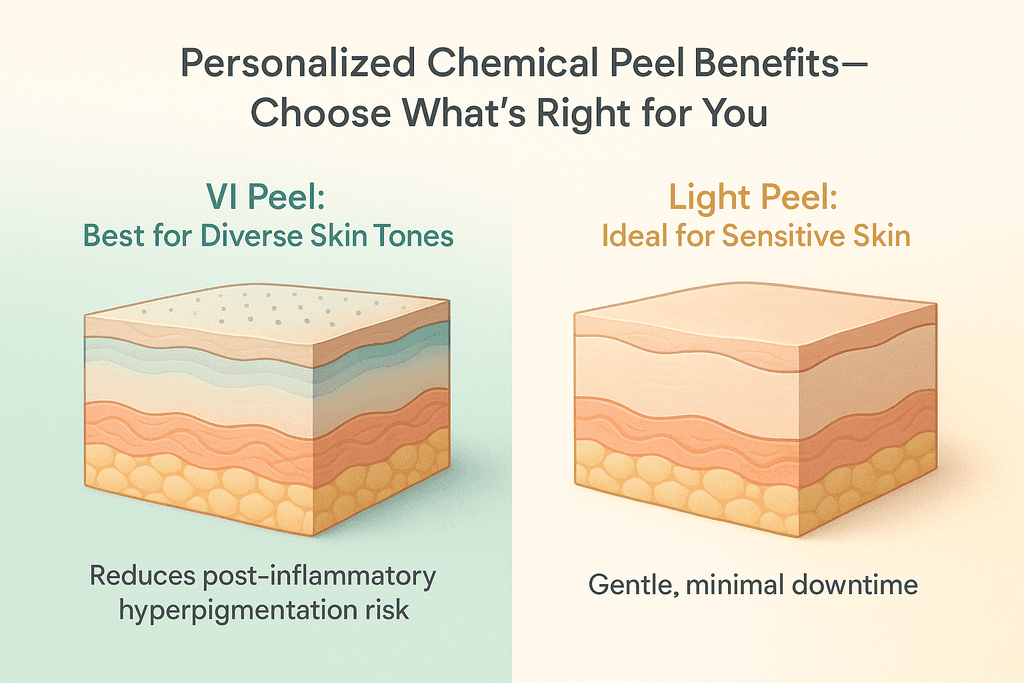
Not every chemical peel works the same for everyone, and that’s where things get interesting. Your skin type, daily schedule, and the specific sun damage you’re dealing with all play a role in which treatment will actually give you the results you want. A VI Peel might be perfect for someone with darker skin tones who needs to avoid post-inflammatory hyperpigmentation, while a lighter chemical peel could work better for someone with sensitive skin and minimal downtime. The depth of your sun spots matters too—surface-level discoloration responds differently than deeper pigmentation that’s been building for years.
Your lifestyle is probably the most honest factor in this decision. If you can’t take a week off work or avoid social events, that immediately narrows down your options.
- Skin tone and sensitivity determine which chemical peel formulations are safest
- Work schedules and social commitments affect how much peeling you can handle
- Deeper sun spots often need stronger peels or multiple sessions
- Budget constraints may favor single VI Peel treatments over multiple lighter peels
- Some patients get better results combining different peel types over time
The truth is that most people don’t know which option fits their situation until they talk with someone who’s seen hundreds of different skin types and pigmentation patterns. At Beauty & Fly, Catherine Curtin evaluates your specific skin concerns during a one-on-one consultation, looking at factors like your Fitzpatrick skin type, sun damage severity, and healing capacity.
Decision-Making Checklist
Before choosing between a standard chemical peel and a VI Peel, consider these questions:
- Can you handle 5-7 days of visible peeling, or do you need minimal downtime?
- Are your sun spots light and surface-level, or deep and long-standing?
- Does your skin tend to develop dark spots after irritation or injury?
- Would you rather invest in one stronger treatment or several gentler sessions?
- Are you dealing with other concerns like acne scars or melasma alongside sun damage?
The reality is that professional assessment changes everything. What looks like simple sun spots might actually be melasma or seborrheic keratosis, which respond to different treatments entirely. That’s why guessing based on internet research only gets you so far—and sometimes leads to disappointing results or unnecessary side effects.
Finding Your Path to Clearer Skin
Both chemical peels and VI Peel can fade sun spots and give you more even skin tone. The real question isn’t which one is better overall, but which one works better for your specific skin. Your skin type, how dark your sun spots are, and how much downtime you can handle all play a role in making the right choice.
Here’s what matters most when deciding between treatments:
- Skin sensitivity – Some people need gentler options while others can handle stronger peels
- Sun spot severity – Deeper pigmentation might need different approaches
- Recovery time – Your schedule affects which treatment makes sense
- Long-term goals – Are you treating just sun spots or other concerns too
Getting professional guidance makes a huge difference in your results. At Beauty & Fly, Catherine Curtin evaluates your skin in person and creates a plan that actually fits your needs. The VI Peel we offer addresses sun damage along with other skin concerns, but sometimes a different approach works better.
The truth is, sun spots don’t have a one-size-fits-all solution. What cleared your friend’s pigmentation might not work the same way on your skin. That’s why starting with an honest assessment saves you time and money in the long run.
You probably still have questions about which treatment fits your situation best. Let’s look at some of the most common ones people ask.
Common Questions About Chemical Peels for Sun Spots
Choosing between a chemical peel and a VI Peel can bring up a lot of questions. Most people want to know what to expect before they commit to any treatment, especially when it comes to their skin. Here are the answers to the most common questions we hear at Beauty & Fly about treating sun spots with peels.
How many treatments do I need to see results on sun spots?
Most people see noticeable improvement after just one VI Peel, though stubborn sun spots often need a series of three to four treatments spaced about a month apart. Traditional chemical peels might require more sessions depending on the strength and your skin’s response. Catherine Curtin typically creates a custom plan during your consultation based on how your skin looks and what results you’re hoping for.
Is VI Peel safe for darker skin tones?
Yes, the VI Peel is specifically formulated to be safe for all skin types, including darker complexions. It has a lower risk of post-inflammatory hyperpigmentation compared to some traditional peels. That said, any peel should be done by someone experienced with treating diverse skin tones to avoid complications.
Can chemical peels prevent new sun spots from forming?
Chemical peels can’t prevent sun damage on their own, but they do help your skin turn over faster and stay healthier overall. The real prevention comes from daily sunscreen use and avoiding excessive sun exposure. Pairing your peel treatments with quality skincare products like SkinBetter science can help maintain your results longer.
What’s the difference in cost between a regular chemical peel and VI Peel?
VI Peels typically cost more than basic chemical peels because they use a proprietary blend of ingredients and tend to deliver more dramatic results with less downtime. The exact pricing varies based on your treatment plan and how many sessions you need. It’s best to schedule a consultation to get accurate pricing for your specific situation.
How long do results from peels last?
Results can last anywhere from several months to over a year, depending on your skin type, sun exposure, and skincare routine. Most people come back for maintenance treatments every few months to keep their skin looking fresh. Protecting your skin from the sun and following a good home care routine makes a huge difference in how long your results stick around.
Can I combine chemical peels with other treatments?
Absolutely, and combining treatments often gives better results than doing just one thing. Many patients at Beauty & Fly pair their chemical peel or VI Peel with treatments like Microneedling with PRP or the NOUVAderm laser for more comprehensive skin rejuvenation. Catherine will help you figure out the best combination and timing to avoid over-treating your skin.