
You’ve probably spent hundreds of dollars on skin care products that promised amazing results but left you disappointed. The truth is, most people are using the wrong products for their unique skin type, which is why personalized skin care has become the gold standard for anyone serious about healthy, glowing skin. At Beauty & Fly, we’ve seen firsthand how a custom approach built around your specific concerns delivers the lasting results that generic routines simply can’t match.
Table of Contents
- Understanding Your Skin’s Unique Needs
- Step One: Getting a Professional Skin Assessment
- Step Two: Combining Professional Treatments with Home Care
- Step Three: Building Your Daily Routine
- Step Four: Tracking Progress and Adjusting Your Plan
- Why Personalization Beats Generic Routines Every Time
- Your Path to Lasting Skin Health Starts Here
- Common Questions About Personalized Skin Care
Understanding Your Skin’s Unique Needs
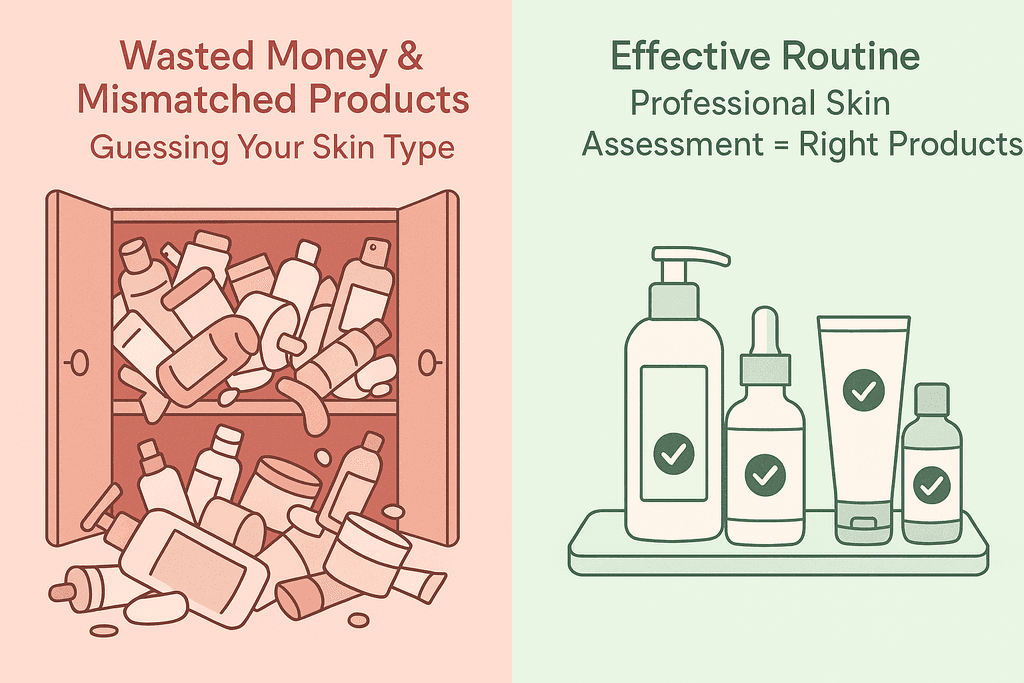
Your skin is as unique as your fingerprint, and what works for your best friend might do absolutely nothing for you. Before you spend hundreds of dollars on products that promise miracles, you need to understand what type of skin you actually have. Most people guess wrong about their skin type, which is why so many bathroom cabinets are filled with half-used bottles that didn’t deliver results. Getting a professional assessment is the smartest first step, and at Beauty & Fly, Catherine Curtin uses her 18 years of experience to analyze your skin’s specific needs before recommending any treatment or product.
The Five Main Skin Types
Dermatologists and aesthetic professionals categorize skin into five main types, each with different needs and challenges. Knowing which category you fall into helps you choose the right products and treatments for personalized skin care that actually works.
| Skin Type | Key Characteristics | Common Concerns |
|---|---|---|
| Normal | Balanced moisture, small pores, few blemishes | Maintaining balance, early aging prevention |
| Dry | Tight feeling, flaky patches, rough texture | Dehydration, fine lines, sensitivity |
| Oily | Shiny appearance, large pores, excess sebum | Acne, blackheads, makeup not staying put |
| Combination | Oily T-zone, dry or normal cheeks | Managing different zones, uneven texture |
| Sensitive | Redness, irritation, reactions to products | Inflammation, rosacea, product intolerance |
Common Skin Concerns Beyond Type
Your skin type is just the starting point. Most people also deal with specific concerns that need targeted attention, and these issues can change as you age or as your lifestyle shifts.
- Aging signs like fine lines, wrinkles, and loss of firmness that happen naturally over time
- Acne and breakouts that can affect adults just as much as teenagers
- Pigmentation issues including dark spots, melasma, and uneven skin tone
- Texture problems like rough patches, enlarged pores, and scarring
- Dullness and lack of radiance that makes skin look tired
Factors That Change Your Skin
Your skin doesn’t stay the same throughout your life. What worked in your twenties might not cut it in your forties, and external factors play a huge role in how your skin behaves day to day.
- Age naturally reduces collagen production and cell turnover, making skin thinner and less elastic
- Sun exposure causes up to 80% of visible aging signs, including wrinkles and dark spots
- Stress hormones can trigger breakouts and inflammation even in adults with previously clear skin
- Diet and hydration directly affect skin’s plumpness and ability to heal itself
Technology is even changing how we approach skin analysis. Some skincare brands are using AI to create personalized recommendations, though nothing replaces the trained eye of an experienced aesthetic professional who can see what cameras might miss.
Why Professional Assessment Matters
You can read articles and take online quizzes all day, but a trained professional can spot things you can’t see in your bathroom mirror. Catherine Curtin’s approach at Beauty & Fly includes a thorough skin analysis before creating any treatment plan, because guessing about your skin type leads to wasted money and frustration.
- Professionals use specialized tools and lighting to see beneath the surface layer
- They can identify underlying issues that haven’t shown visible symptoms yet
- Expert assessment prevents you from using products that could make problems worse
- A customized plan addresses your specific combination of type and concerns
Step One: Getting a Professional Skin Assessment
Most people spend years trying random products they see on social media or hear about from friends, hoping something will finally work. The truth is, without understanding what’s actually happening beneath your skin’s surface, you’re basically guessing. A professional skin assessment changes everything because it reveals the underlying issues that over-the-counter products can’t address. Think of it like trying to fix a car without knowing what’s broken under the hood. You might get lucky, but probably not.

Step One: Getting a Professional Skin Assessment
During a consultation at Beauty & Fly, you’ll sit down with Catherine Curtin, who has over 18 years of experience analyzing skin at a medical level. She looks at things you can’t see in your bathroom mirror, like how your skin is aging at a cellular level, whether you have sun damage that hasn’t surfaced yet, or if your pores are clogged in ways that will cause problems down the road.
What happens during your assessment:
- Detailed analysis of your skin type, texture, and tone
- Identification of concerns like fine lines, pigmentation, or scarring
- Discussion of your lifestyle, habits, and skincare goals
- Medical-grade evaluation that spots issues before they become visible
- A customized treatment plan that addresses your specific needs
The questions you ask matter just as much as the ones your provider asks you. You should know why certain treatments are recommended over others, what results to expect realistically, and how long it will take to see changes. Building a truly customized plan requires this kind of two-way conversation, not just a quick look at your face.
Questions to ask during your consultation:
- What are the main concerns you see with my skin?
- Which treatments will give me the best results for my goals?
- How often will I need professional treatments?
- What products should I use at home between visits?
- How long before I see real improvements?
Step Two: Combining Professional Treatments with Home Care
Here’s something most people don’t realize: professional treatments work about twice as well when you’re using the right products at home. It’s not about buying expensive creams just because someone tells you to. The treatments you get in-office create changes in your skin that need support to last. Without proper home care, those results fade faster than they should. With it, you’re basically extending and amplifying what happens during each appointment.

Step Two: Combining Professional Treatments with Home Care
Take microneedling with PRP as an example. The treatment creates tiny channels in your skin and floods it with growth factors from your own blood. But what you put on your skin for the next few weeks determines how well those channels heal and how much collagen your skin actually produces. Medical-grade products like SkinBetter Science contain active ingredients at concentrations that drugstore brands can’t match because they’re regulated differently.
How professional treatments and home care work together:
- Treatments like the NOUVAderm laser or VI Peel jumpstart cellular turnover
- Home products maintain and extend those results between appointments
- Active ingredients penetrate deeper after professional treatments
- Consistent home care prevents new damage while treatments repair old damage
The timing matters too. Some treatments require specific products immediately after, while others need you to pause certain actives for a few days. Research shows that personalized skincare approaches that combine professional and at-home care produce significantly better outcomes than either approach alone.
Treatment and product pairings that work:
- Microneedling + growth factor serums for enhanced collagen production
- Chemical peels + gentle hydrating products for optimal healing
- Neuromodulators + peptide creams to extend smoothing effects
- Laser treatments + antioxidant serums to protect new skin cells
Step Three: Building Your Daily Routine
A good skincare routine doesn’t need fifteen steps. In fact, complicated routines usually fail because nobody sticks with them. What you need is a simple system that covers the basics: clean your skin, treat your concerns, and protect what you’ve got. The key is doing these things consistently with products that actually work, not just feel nice or smell good. Most people mess this up by either doing too much or skipping the steps that matter most.
Morning routines focus on protection. You’re getting ready to face UV rays, pollution, and environmental stress. Evening routines focus on repair because that’s when your skin does its healing work. The order you apply products determines whether they actually absorb or just sit on top of your skin doing nothing.
Essential morning routine steps:
- Gentle cleanser to remove overnight oils
- Antioxidant serum (like vitamin C) to protect against free radicals
- Moisturizer appropriate for your skin type
- Broad-spectrum SPF 30 or higher, every single day
Evenings are when you can use stronger active ingredients because you’re not going out in the sun. This is when retinoids, acids, and treatment serums do their best work. Your skin cell turnover happens mostly while you sleep, so feeding your skin the right ingredients at night makes a real difference.
Essential evening routine steps:
- Thorough cleanse to remove makeup, sunscreen, and daily buildup
- Treatment serums targeting your specific concerns
- Heavier moisturizer or night cream to support overnight repair
- Eye cream if you’re addressing that area specifically
Common mistakes that ruin results:
- Using too many active ingredients at once, causing irritation
- Skipping sunscreen because it’s cloudy or you’re staying inside
- Not waiting between product layers for proper absorption
- Changing products too frequently before they have time to work
- Using products in the wrong order so they can’t penetrate
Step Four: Tracking Progress and Adjusting Your Plan
Nobody’s skin stays the same forever. What works perfectly in summer might leave you dry and flaky in winter. What cleared your acne at 30 might not address the fine lines showing up at 40. This is why personalized skin care isn’t a one-time thing but an ongoing process. You need to pay attention to how your skin responds and be willing to adjust when something stops working or when your goals change.
Real results take time, which is the hardest part for most people. You might see some improvements in a few weeks, but significant changes to things like texture, tone, and firmness usually take three to six months. This is why progress photos matter so much. Your brain adjusts to gradual changes, so you might not notice improvements that are actually happening.
Realistic timeline for visible results:
- Weeks 1-2: Skin feels different, maybe smoother or more hydrated
- Weeks 3-4: Minor improvements in texture and glow become noticeable
- Months 2-3: Pigmentation starts evening out, fine lines soften
- Months 4-6: Significant improvements in overall skin quality and tone
- Month 6+: Maintenance phase where you preserve and enhance results
Signs your routine is working include consistent texture, fewer breakouts, improved hydration, and that natural glow people always talk about. Signs you need adjustments include new irritation, increased dryness or oiliness, or simply not seeing any changes after a reasonable time period.
When to schedule follow-up appointments:
- After starting any new professional treatment to assess response
- Every 3-4 months to evaluate progress and adjust your plan
- When you notice changes in your skin that concern you
- Before major life events when you want to look your best
- Seasonally, as your skin’s needs shift with weather changes
Once you achieve your goals, maintenance becomes the focus. This usually means less frequent professional treatments but consistent home care. Your provider can help you figure out the right balance so you keep your results without overdoing it or spending more than necessary.
Why Personalization Beats Generic Routines Every Time
Your skin has its own unique DNA, hormone levels, and environmental exposures that make it completely different from everyone else’s. When you use the same products as your friend or follow a generic routine from social media, you’re ignoring the biological factors that determine how your skin actually responds to ingredients. Research shows that personalized skin care approaches deliver up to 40% better results than standard protocols because they account for individual skin barriers, pH levels, and cellular turnover rates. This explains why that miracle serum your coworker raves about might do absolutely nothing for you, or worse, cause irritation.
The science gets even more interesting when you look at how skin ages differently based on genetics and lifestyle. Some people develop fine lines first, while others struggle with pigmentation or loss of volume. A dermatologist-designed custom approach addresses these specific concerns rather than treating everyone the same way.
The Hidden Cost of Trial and Error
Most people waste hundreds of dollars testing products that don’t work for their skin type. Without expert guidance, you’re essentially gambling with your skin’s health and your wallet.
- The average person tries 5-7 different products before finding one that works
- Incorrect product combinations can damage your skin barrier and create new problems
- Professional assessment identifies issues you can’t see in the mirror yet
- Expert providers like Catherine Curtin at Beauty & Fly can spot early signs of aging or damage that over-the-counter products won’t address
Why Ongoing Adjustments Matter
Your skin changes with seasons, stress levels, hormones, and age. What worked perfectly last year might not be enough now. Personalized skin care isn’t a one-time consultation, it’s an evolving relationship with someone who understands your skin’s history and goals.
- Hormone fluctuations require different active ingredients at different life stages
- Environmental factors like humidity and sun exposure change your skin’s needs
- Regular professional assessments catch problems before they become visible
At Beauty & Fly, Catherine’s approach combines clinical expertise with ongoing monitoring to adjust your routine as your skin evolves. This level of attention prevents the frustrating cycle of buying products that stop working after a few months.
Your Path to Lasting Skin Health Starts Here
Building a personalized skin care routine really comes down to four main steps: understanding your skin type, choosing the right products for your specific concerns, layering them in the correct order, and staying consistent. The tricky part is that what works for someone else might not work for you, which is why so many people end up with bathroom cabinets full of half-used products. Your skin is unique, and treating it that way makes all the difference.
Getting professional guidance can save you months of trial and error. At Beauty & Fly, Catherine Curtin takes time during each consultation to assess your skin’s actual needs, not just what you think they might be. She combines medical-grade treatments like Microneedling with PRP and the NOUVAderm laser with personalized product recommendations from lines like SkinBetter science and Alumier MD to create a routine that actually fits your life.
The goal isn’t to completely change how you look. It’s about helping your skin function better so you can age on your own terms. That means addressing concerns like texture, pigmentation, or fine lines in ways that look natural and feel sustainable.
If you’re ready to stop guessing and start seeing real progress, you can schedule a consultation at either the Bronxville or Bridgehampton location. Sometimes the best routine is the one someone helps you build from scratch, based on what your skin is telling them right now.
You probably have questions about how often you should switch products, whether professional treatments are necessary, or how to know if something is actually working. Let’s get into those next.
Common Questions About Personalized Skin Care
Getting started with a personalized skin care routine brings up a lot of questions. Most people wonder if they’re doing things right or if they need to change their entire approach. Here are the answers to the most common questions we hear about building a routine that actually works for your unique skin.
How long does it take to see results from a personalized routine?
Most people start noticing improvements within 4 to 6 weeks of following a consistent personalized skin care routine. Your skin cells naturally turn over about every 28 days, so you need at least one full cycle to see real changes. Some concerns like hydration and texture might improve faster, while deeper issues like pigmentation or fine lines can take 8 to 12 weeks.
Do I need professional treatments or can I just use products at home?
Home care products are the foundation of any good routine, but professional treatments can speed up and enhance your results in ways that products alone can’t achieve. Treatments like microneedling with PRP or the NOUVAderm laser at Beauty & Fly work at deeper skin layers to stimulate collagen and address stubborn concerns. Think of it this way: products maintain your results, while professional treatments create more dramatic improvements that your home routine then preserves.
How often should I adjust my skin care routine?
Your skin changes with the seasons, your age, and your lifestyle, so plan to reassess your routine every 3 to 6 months. You might need heavier moisturizers in winter or more sun protection in summer. If you’re not seeing results after 8 weeks or your skin feels irritated, that’s a sign to make adjustments sooner rather than waiting.
What’s the difference between medical grade and drugstore products?
Medical grade products like SkinBetter science and Alumier MD contain higher concentrations of active ingredients that penetrate deeper into your skin. They’re formulated based on clinical research and often require professional guidance to use correctly. Drugstore products can work for basic maintenance, but medical grade options deliver faster and more noticeable results for specific concerns like aging, pigmentation, or acne.
How much time does a daily routine actually take?
A solid morning routine takes about 3 to 5 minutes, and your evening routine might take 5 to 7 minutes. That’s it. You don’t need 12 steps or an hour of your day. The key is using the right products in the right order, not piling on everything you own.
Can I still use my favorite products with a personalized plan?
Absolutely, as long as they work well with your skin and don’t conflict with your treatment goals. A personalized approach means building around what already works for you and filling in the gaps with targeted solutions. During a consultation, Catherine can review your current products and help you figure out what to keep, what to swap, and what to add for better results.