
You’ve probably noticed your skin doesn’t bounce back the way it used to, and you’re not alone in wanting a fix that doesn’t involve going under the knife. Non-surgical skin tightening has become one of the fastest-growing aesthetic treatments because it delivers real results without the risks, scars, or recovery time of surgery. Understanding what makes these treatments safe and effective is the first step toward firmer, more youthful-looking skin.
Table of Contents
How Skin Loses Firmness Over Time
Your skin starts losing its bounce and tightness much earlier than most people realize. After you turn 20, your body makes about 1% less collagen and elastin every single year. These two proteins are what keep your skin firm, smooth, and able to snap back into place when you smile or frown. Think of them like the springs in a mattress—when they wear out, everything starts to sag.
The slowdown happens to everyone, but how fast your skin ages depends on more than just birthdays. Sun damage speeds up the process faster than anything else, breaking down those important proteins and creating wrinkles and loose spots. Your daily habits matter too—smoking, stress, poor sleep, and what you eat all affect how quickly your skin loses its firmness.
What Breaks Down Your Skin
Several factors work together to make your skin less tight over time. Some you can control, and others you can’t.
- UV rays from the sun damage collagen fibers deep in your skin
- Your genes determine how much collagen you naturally produce
- Smoking reduces blood flow and oxygen to your skin cells
- Repeated facial movements create lines that become permanent
- Weight changes stretch skin and make it harder to bounce back
Skin Changes By Decade
The way your skin ages follows a pretty predictable pattern. Here’s what typically happens as the years go by.
| Age Range | Collagen Loss | Visible Changes |
|---|---|---|
| 20s-30s | 1% per year begins | Fine lines around eyes, slight dullness |
| 40s | Up to 20% total loss | Deeper wrinkles, mild sagging, uneven tone |
| 50s | Up to 30% total loss | Noticeable jowls, neck laxity, hollow areas |
| 60s+ | Up to 40% total loss | Significant sagging, deep folds, thin skin |
Why Non-Surgical Options Work Now
Surgery used to be the only real answer for loose, sagging skin. Facelifts work, but they come with long recovery times, visible scars, and serious risks. The good news is that technology has caught up with what people actually want—tighter skin without going under the knife.
Treatments like microneedling with PRP, NOUVAderm laser therapy, and Vivace Fractional work by triggering your body’s natural healing response. They tell your skin to make more collagen on its own. At Beauty & Fly, we use these non-surgical skin tightening methods to help your skin rebuild itself from the inside out, giving you real results without the downtime or risks of surgery.
Understanding what’s happening under your skin helps you pick the right treatment. Not every option works for every person or every type of aging.
- Mild sagging responds well to collagen-stimulating treatments
- Moderate laxity might need a combination approach
- Your skin type and goals determine which non-surgical aesthetics work best
- Results build gradually as your body makes new collagen
Top Non-Surgical Skin Tightening Treatments
Your skin loses about 1% of its collagen every year after age 30, which explains why things start to sag and droop over time. The good news is that you don’t need to go under the knife to fight back against gravity. Several proven non-surgical options can actually trigger your body to rebuild collagen and tighten skin naturally. These treatments work by creating controlled micro-injuries or heating the deeper layers of your skin, which sounds scary but really isn’t. Your body responds by producing fresh collagen and elastin, the proteins that keep skin firm and bouncy.
Top Non-Surgical Skin Tightening Treatments
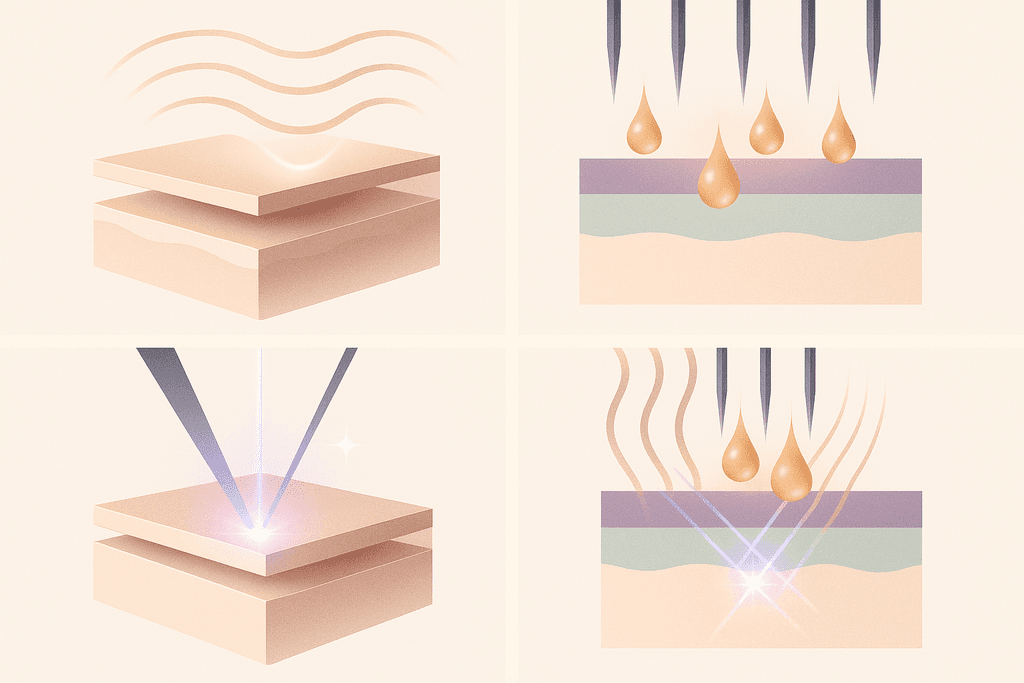
Radiofrequency treatments use energy waves to heat the deep layers of your skin without damaging the surface. This heat tells your body to start making new collagen right away. The results build gradually over several months as your skin literally rebuilds itself from the inside out.
- Microneedling with PRP combines tiny needles with your own platelet-rich plasma to jumpstart healing
- Laser treatments like NOUVAderm improve overall texture while tightening pores and evening out skin tone
- Vivace Fractional pairs microneedling with radiofrequency for a double boost of collagen production
- Each method targets different concerns, so what works for your friend might not be ideal for you
The beauty of these treatments is that they use your body’s natural healing response. At Beauty & Fly, we customize which approach makes sense based on your specific skin concerns and goals. Some people need more aggressive tightening around the jawline, while others just want to smooth out texture and minimize pores.
| Treatment Type | What It Targets | Results Timeline |
|---|---|---|
| Radiofrequency | Deep skin laxity, jowls | 2-3 months |
| Microneedling + PRP | Fine lines, texture, scars | 4-6 weeks |
| NOUVAderm Laser | Pores, pigment, tone | 2-4 weeks |
| Vivace Fractional | Overall firmness, wrinkles | 6-12 weeks |
Essential Safety Guidelines for Skin Tightening
Not all providers are created equal when it comes to non-surgical aesthetics. You’re trusting someone to use devices that generate heat or create controlled injuries to your face, so credentials actually matter here. Board-certified practitioners with years of hands-on experience know how to adjust settings for different skin types and recognize potential problems before they happen. Someone who just took a weekend course doesn’t have that same depth of knowledge. The consultation process should never feel rushed or like you’re being pushed toward the most expensive option.

Essential Safety Guidelines for Skin Tightening
A proper assessment includes reviewing your medical history and examining your skin up close. Certain conditions like active infections, autoimmune disorders, or recent cosmetic procedures can make some treatments unsafe or less effective.
Before any skin tightening procedure, you should know exactly what to avoid and what to do:
- Stop using retinoids and exfoliating acids 3-5 days before treatment
- Avoid sun exposure and tanning for at least two weeks prior
- Tell your provider about all medications and supplements you take
- Skip blood thinners like aspirin if medically safe to do so
- Come to your appointment with clean skin and no makeup
Understanding what results are actually possible keeps you from disappointment later. Non-surgical skin tightening works best for mild to moderate laxity, not severe sagging that really does need surgery. Catherine Curtin spends time during consultations making sure expectations align with what these treatments can realistically deliver, which is one reason patients trust her approach.
Following aftercare instructions isn’t optional if you want good results. Your skin needs specific support while it’s healing and rebuilding collagen. Using the wrong products or exposing treated skin to sun can undo your investment and even cause complications.
What to Expect During and After Treatment
Most non-surgical skin tightening sessions take somewhere between 30 and 60 minutes, depending on which treatment you’re getting and how large the area is. You might feel warmth, tingling, or slight pressure, but the discomfort level stays pretty manageable for most people. Numbing cream gets applied beforehand for treatments like microneedling, so you barely feel the needles at all. The actual experience is way less dramatic than what you might be imagining right now.
Downtime varies quite a bit based on treatment intensity. Some laser sessions leave you with zero downtime, while others might cause redness for a few days. Microneedling with PRP typically makes your skin look pink and slightly swollen for 24 to 48 hours, kind of like a mild sunburn.
- Most people return to normal activities immediately or within a day
- Makeup can usually cover any redness after the first day
- Avoid intense workouts and heat exposure for 24-48 hours
- Keep skin hydrated and protected with gentle products
The waiting game is the hardest part because results appear gradually as your collagen rebuilds over 2 to 6 months. You won’t walk out looking completely different, which is actually a good thing since natural results are the goal. Week by week, you’ll notice skin looking firmer, smoother, and more lifted.
Professional skincare products make a real difference in how well your results develop and how long they last. At Beauty & Fly, we carry SkinBetter science and Alumier MD skincare lines that support collagen production and protect your investment. Think of these products as the daily maintenance that keeps your skin in the best possible condition between treatments.
Most people need a series of sessions spaced several weeks apart for optimal outcomes. A single treatment provides some improvement, but multiple sessions build on each other to create more dramatic tightening. Your provider should map out a realistic treatment plan during your consultation so you know what commitment you’re making upfront.
Choosing the Right Treatment for Your Skin Goals
The truth is that no two faces age the same way, which means cookie-cutter treatment plans rarely deliver the best results. When you’re looking at non-surgical skin tightening options, the key is matching the right approach to what’s actually happening with your skin. Some people walk in with minor concerns around their eyes, while others are dealing with more noticeable changes across multiple areas. Understanding where you fall on that spectrum makes all the difference in choosing between a single treatment or a combination approach.
Single Treatment Versus Combination Approaches
If you’re dealing with mild skin laxity, a focused treatment often does the job beautifully. But when concerns become more moderate, that’s when combining different non-surgical aesthetics techniques tends to produce better outcomes.
| Single Treatment Approach | Combination Therapy Approach |
|---|---|
| Best for early signs of aging | Addresses multiple concerns at once |
| Lower upfront cost | More comprehensive results |
| Simpler recovery timeline | Targets different skin layers simultaneously |
| Fewer appointments needed | Often more cost-effective long-term |
Factors That Shape Your Treatment Plan
Your skin type plays a bigger role than most people realize. Certain skin tones respond differently to laser-based treatments, which is why experienced providers adjust settings based on your individual characteristics.
- Melanin levels affect how your skin absorbs laser energy
- Skin thickness influences which modalities work best
- Previous sun damage may require gentler initial treatments
- Healing capacity varies by age and overall health
Budget and schedule matter too, but they shouldn’t be the only deciding factors. At Beauty & Fly, Catherine Curtin takes time during consultations to understand both your aesthetic goals and practical constraints. Sometimes spacing out treatments like Microneedling with PRP or NOUVAderm laser sessions makes more sense than trying to do everything at once.
Why Personalization Beats Protocols
The providers who get the best results don’t follow rigid protocols. They listen first, then design a plan that fits your specific situation. Natural-looking skin tightening comes from understanding how different treatments work together, not from applying the same approach to everyone who walks through the door.
Your Path to Firmer Skin Starts Here
Non-surgical skin tightening has come a long way, and the results speak for themselves when you work with someone who knows what they’re doing. The key is finding treatments that actually work for your specific skin concerns, not just whatever happens to be trending on social media. Safety should always come first, which means choosing providers who understand the science behind these procedures and can create a plan that makes sense for you.
The difference between good results and great results often comes down to personalized treatment plans. Your skin is different from everyone else’s, so cookie-cutter approaches rarely deliver the outcomes you’re hoping for. At Beauty & Fly, Catherine Curtin takes the time to understand your goals and designs treatments around what your skin actually needs, whether that’s Microneedling with PRP, NOUVAderm laser treatments, or Vivace Fractional sessions.
Experience matters more than most people realize. When you’re trusting someone with your face, you want a provider who’s been doing this long enough to handle any situation that comes up. The best results happen when expertise meets individualized care, which is why working with a solo provider can make such a difference in your overall experience.
If you’ve been thinking about skin tightening but weren’t sure where to start, you probably have some questions about what to expect. Let’s address some of the most common concerns people have before their first appointment.
Common Questions About Safe Skin Tightening
When you’re thinking about non-surgical skin tightening, it’s normal to have questions about what to expect. Most people want to know if these treatments actually work, how long results stick around, and whether they’ll be uncomfortable. The good news is that modern non-surgical aesthetics have come a long way, and the answers might surprise you. Here’s what patients ask most often when they’re considering treatments like Microneedling with PRP, NOUVAderm laser, or Vivace Fractional at Beauty & Fly.
How long do results last?
Results vary depending on which treatment you choose and how your body responds. Most skin tightening treatments last anywhere from six months to two years. Treatments that stimulate collagen production, like PRP therapy and microneedling, tend to have longer-lasting effects because they’re working with your body’s natural healing process. Many patients come back for maintenance sessions once or twice a year to keep their results looking fresh.
Is non-surgical skin tightening painful?
Most treatments involve minimal discomfort, and many patients describe the sensation as a light tingling or warmth. Topical numbing cream is usually applied before procedures to keep you comfortable. The NOUVAderm laser, for example, is designed with minimal downtime in mind, which means less intensity and more comfort during treatment. You might have some redness afterward, but actual pain is rare.
Who is a good candidate for these treatments?
If you’re noticing mild to moderate skin laxity, fine lines, or texture issues, you’re probably a good fit for non-surgical options. These treatments work best for people who want to address early signs of aging without going under the knife. During your consultation, Catherine Curtin evaluates your skin type, concerns, and goals to create a personalized plan that makes sense for you.
Can you combine different skin tightening methods?
Yes, and combining treatments often gives better results than doing just one. Many patients pair neuromodulators like BOTOX with dermal fillers or add a VI Peel to their microneedling sessions. Catherine designs custom treatment plans that layer different approaches to target multiple concerns at once, which is why patients often see more dramatic improvements.
What’s the difference between at-home devices and professional treatments?
At-home devices use lower energy levels for safety reasons, which means they deliver much milder results. Professional treatments use medical-grade technology that penetrates deeper layers of skin and produces more noticeable changes. The expertise of an experienced provider like Catherine also matters because proper technique and customization make a huge difference in outcomes.
How soon can you see results?
Some treatments show immediate improvements, while others take a few weeks as your body builds new collagen. Dermal fillers and neuromodulators work quickly, with results visible within days. Collagen-stimulating treatments like PRP therapy and microneedling reveal their full effects gradually over two to three months as your skin naturally regenerates.