
Thinning hair doesn’t just happen to older men—nearly 40 percent of women experience noticeable hair loss by age 50, and many people jump into treatments without understanding what they’re really signing up for. Asking the right questions before starting hair restoration can save you time, money, and disappointment. At Beauty & Fly, we use PRP Therapy for Hair Loss to naturally stimulate growth, but knowing what to ask first makes all the difference in your results.
Table of Contents
Understanding Hair Restoration Today
About 50 million men and 30 million women in the United States deal with hair loss at some point in their lives. It’s not just an older person’s problem either—many people start noticing thinning hair in their 20s and 30s. Hair loss happens for lots of reasons, from genetics and hormones to stress, medical conditions, and even the products we use. What used to feel like something you just had to accept has changed completely over the past decade.
How Hair Restoration Has Changed
The old days of obvious hair plugs and painful surgical procedures are mostly behind us. Modern hair restoration looks different because people want results that look natural and don’t require going under the knife. Non-surgical options have become the first choice for most people exploring their options.
Here’s what changed in hair restoration over the years:
- Surgical transplants used to be the only real option, leaving scars and requiring weeks of recovery
- New technologies now work with your body’s natural healing process instead of against it
- Treatments today focus on stimulating your existing hair follicles rather than just moving hair around
- Recovery time dropped from weeks to just a day or two for most procedures
What Makes PRP Therapy Different
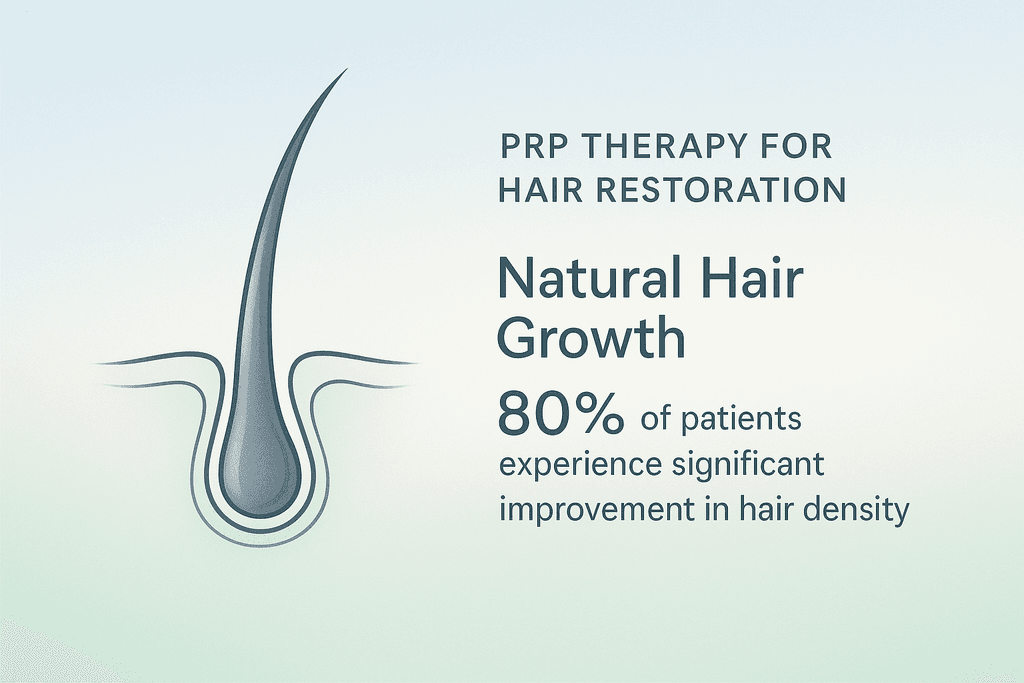
PRP therapy for hair loss uses platelets from your own blood to wake up sleeping hair follicles. Your blood gets drawn, spun in a special machine to concentrate the platelets, then injected back into your scalp where you need it most. Those platelets contain growth factors that tell your hair follicles to start growing again.
At Beauty & Fly, our PRP Therapy for Hair Loss takes advantage of these natural healing properties without any foreign substances or surgical procedures. It’s become popular because it works with what your body already knows how to do.
Why People Choose Non-Invasive Treatments
The shift toward non-surgical hair restoration makes sense when you look at what people actually want. Most patients prefer treatments that fit into their regular schedule without taking time off work or hiding at home during recovery.
| Treatment Type | Recovery Time | Visible Scarring | Uses Your Own Biology |
|---|---|---|---|
| Surgical Transplant | 2-4 weeks | Yes | Partially |
| PRP Therapy | 1-2 days | No | Yes |
| Topical Products | None | No | No |
The benefits of choosing non-invasive approaches include:
- No surgical scars or stitches to worry about
- Lower risk of complications or side effects
- Results that develop gradually and look completely natural
- Ability to return to normal activities almost immediately
Before jumping into any hair restoration treatment, though, you need to ask the right questions. Just like you’d research before any medical decision, understanding what to expect makes all the difference. If you’re considering a surgical route, resources like this guide on essential hair transplant questions can help you prepare, though many people find that non-surgical options answer their needs without the added complexity.
What Type of Hair Loss Do I Have
About 50 million men and 30 million women in the United States experience some form of hair loss, but not all hair loss is the same. Before you start any hair restoration treatment, you need to know exactly what’s causing your hair to thin or fall out. The type of hair loss you have determines whether treatments like PRP therapy will actually work for you. Some people lose hair because of genetics, while others might be dealing with stress-related shedding or an autoimmune condition. Each type responds differently to treatment, which is why getting the right diagnosis matters more than anything else.

What Type of Hair Loss Do I Have?
Androgenetic alopecia is the most common type, affecting both men and women as they age. This is the genetic kind where hair follicles shrink over time because of hormones. Then there’s telogen effluvium, which happens when your body goes through major stress like surgery, illness, or even having a baby.
- Androgenetic alopecia (genetic pattern baldness)
- Telogen effluvium (stress-related shedding)
- Alopecia areata (autoimmune hair loss)
- Traction alopecia (from tight hairstyles)
- Medical conditions or medications
PRP therapy works best for androgenetic alopecia and some cases of telogen effluvium because these conditions involve follicles that are still alive but just not functioning well. The growth factors in your own plasma can wake up those sleepy follicles and get them producing hair again. But if you have alopecia areata or scarring alopecia, PRP might not be the right choice.
During a consultation at Beauty & Fly, Catherine Curtin examines your scalp, reviews your medical history, and sometimes recommends blood work to rule out underlying issues like thyroid problems or nutritional deficiencies. This thorough evaluation ensures you’re not wasting time and money on a treatment that won’t address your specific situation. Asking the right questions before starting treatment can save you months of frustration.
Questions to ask your provider about your hair loss type:
- What type of hair loss do I have?
- What caused this type of hair loss?
- Is PRP therapy appropriate for my condition?
- Do I need any tests before starting treatment?
- Are there other factors contributing to my hair loss?
What Results Can I Realistically Expect
Hair restoration isn’t like getting Botox where you see results in a few days. Your hair grows slowly, and that means results take time to show up. Most people start noticing changes around three to six months after beginning PRP therapy, and the improvements continue for up to a year. But here’s what you need to understand: PRP isn’t going to give you the same hair you had when you were 18. It’s about making real improvements to what you have now.

What Results Can I Realistically Expect?
Success with PRP therapy usually means your existing hair gets thicker and healthier, you shed less hair in the shower, and you might see some new growth in areas that were thinning. The goal is improvement, not perfection.
Some people respond better than others, and that depends on factors like how long you’ve been losing hair, your age, and your overall health. If you’ve been completely bald in an area for years, those follicles might be too far gone. But if you’re catching the problem early or dealing with thinning rather than total baldness, your chances of seeing good results go up significantly.
- Timeline: Initial changes at 3-4 months, best results at 6-12 months
- Reduced shedding: Often the first sign things are working
- Thicker hair shafts: Existing hair becomes fuller and stronger
- New growth: Fine hairs may appear in thinning areas
Catherine Curtin doesn’t promise miracles during consultations at Beauty & Fly. She looks at your specific situation and gives you an honest assessment of what PRP can and can’t do for you. That honesty matters because the last thing you want is to spend months on a treatment based on unrealistic expectations. Maintenance treatments are part of the deal too, because hair restoration isn’t a one-and-done situation.
How Many Treatments Will I Need
PRP therapy for hair restoration follows a specific protocol that requires commitment. Most people start with a series of three to four treatments spaced about four to six weeks apart. This initial phase gives your follicles the concentrated boost they need to start responding. After that, you switch to maintenance treatments every few months to keep those results going. If you skip the maintenance phase, your hair will likely return to its previous state over time.
Each session takes about an hour from start to finish. That includes drawing your blood, processing it to concentrate the platelets, and then injecting the PRP into your scalp. The actual injection part only takes about 15 to 20 minutes, but the preparation is important for getting quality results.
| Treatment Phase | Number of Sessions | Frequency |
|---|---|---|
| Initial Series | 3-4 treatments | Every 4-6 weeks |
| Maintenance | 1-2 per year | Every 6-12 months |
Beauty & Fly customizes treatment plans based on how you respond. Some people need more frequent sessions at first, while others can space them out more. Catherine monitors your progress and adjusts the schedule to match what your hair is telling her. This personalized approach means you’re not locked into a rigid protocol that might not fit your needs.
Consistency matters more than anything else. People who stick with the recommended schedule see better results than those who skip appointments or wait too long between sessions. Your follicles need regular stimulation to maintain the improvements.
What’s the Investment and Is It Worth It
Hair restoration costs vary widely depending on where you go and who performs the treatment. Several factors affect pricing, including the provider’s experience, the quality of equipment used, and how much area needs treatment. PRP therapy typically costs less than surgical hair transplants but more than over-the-counter products that may or may not work. The real question isn’t just about the price tag, though. It’s about whether the investment makes sense for your situation and goals.
When you compare PRP to other options, you’re looking at different trade-offs. Surgical transplants cost more upfront and involve downtime, but they’re permanent. Topical medications are cheaper but require daily use forever and come with potential side effects. PRP sits in the middle as a natural option using your own blood with minimal downtime.
- Provider expertise and training level
- Geographic location and facility overhead
- Amount of scalp area being treated
- Quality of PRP processing equipment
- Number of sessions in your treatment plan
Beauty & Fly offers financing options and membership benefits that make treatments more accessible. The membership program provides discounts on services and products, which adds up when you’re committing to a series of treatments. But beyond the financial aspect, you need to consider the value of working with someone who has 18 years of experience in aesthetic medicine and knows exactly what she’s doing.
Provider expertise directly impacts your results. A less experienced practitioner might not process the PRP correctly or inject it at the right depth and locations. That’s money wasted on subpar outcomes. Understanding the importance of qualified providers helps you make smarter decisions about where to invest your money.
Who Will Perform My Treatment
The person holding the syringe matters just as much as what’s in it. Hair restoration requires precision, understanding of scalp anatomy, and experience with PRP techniques. Not all providers are created equal, even if they’re offering the same treatment. Board certification and specialized training in aesthetic medicine give you confidence that your provider knows what they’re doing. But experience specifically with PRP for hair loss takes things to another level, because there’s a learning curve to getting the best results.
At Beauty & Fly, you see the same provider every single time. Catherine Curtin performs all treatments herself, which means you’re getting consistent care from someone who knows your case inside and out. This solo provider model eliminates the problem of being passed around to different staff members who may not remember your history or goals.
Provider credential checklist:
- Board certification in relevant field
- Specific training in PRP therapy
- Years of experience in aesthetic medicine
- Before and after photos of actual patients
- Continuing education and advanced training
- Patient reviews and testimonials
Catherine’s 18 years in aesthetic medicine include not just performing treatments but also teaching other practitioners advanced techniques. That level of expertise means she’s seen every type of hair loss pattern and knows how to adjust treatment for optimal results. When you’re investing time and money into hair restoration, working with someone who treats it as both a science and an art makes all the difference.
The personalized approach at Beauty & Fly means you’re never rushed through appointments. Catherine takes time to answer questions, explain what she’s doing, and make sure you feel comfortable throughout the process. This attention to detail extends from your initial consultation through every follow-up visit, creating a level of care that’s hard to find at larger practices where you’re just another appointment on a busy schedule.
Your Hair Restoration Journey Starts Here
Before you commit to any hair restoration treatment, you need answers to these five questions. What’s causing your hair loss, what results can you actually expect, how long will treatment take, what’s the real cost over time, and who’s qualified to do the procedure. Getting clear answers to these questions before you start makes all the difference in whether you end up happy with your results or disappointed.
The truth is, patients who take time to understand their options and ask the right questions almost always get better outcomes. When you know what to expect, you can make decisions that actually fit your life and your goals.
At Beauty & Fly, we believe education comes first. Catherine Curtin takes time during consultations to answer every question you have about hair restoration options like PRP Therapy for Hair Loss, which uses growth factors from your own plasma to encourage natural hair growth. You’ll never feel rushed or pressured into a decision.
Whether you visit our Bronxville or Bridgehampton location, you’ll meet directly with Catherine to discuss your specific situation and create a personalized plan. The consultation is where you get real answers tailored to your hair, your health history, and what you’re hoping to achieve.
Ready to get those questions answered? The next step is simple. Book a consultation and come prepared with your concerns, your goals, and any questions we didn’t cover here.
Common Hair Restoration Questions
If you’re thinking about hair restoration, you probably have a few questions running through your mind. PRP therapy for hair loss is still relatively new to many people, even though it’s been used successfully for years. Here are the answers to some of the most common questions we hear from patients considering this treatment.
Is PRP hair restoration painful?
Most patients describe the treatment as mildly uncomfortable rather than painful. We apply a topical numbing cream before the procedure, which helps minimize any discomfort during the injections. The sensation is similar to getting a vaccine, and the entire process is over quickly.
Can I combine PRP with other treatments?
Yes, PRP for hair loss can work well alongside other hair restoration approaches. Many patients combine it with topical treatments or supplements for better results. At Beauty & Fly, Catherine Curtin evaluates your specific situation and creates a personalized plan that may include multiple complementary therapies to give you the best outcome.
How long does each session take?
A typical PRP hair restoration session takes about 60 to 90 minutes from start to finish. This includes the time needed to draw your blood, process it to concentrate the platelets, apply numbing cream, and perform the injections. It’s a quick appointment that fits easily into most schedules.
Are there any side effects?
Side effects are generally minimal because PRP uses your own blood, which means there’s no risk of allergic reaction. You might experience some mild redness, swelling, or tenderness at the injection sites for a day or two. Most people return to their normal activities right away without any issues.
Who is not a good candidate for PRP?
PRP hair restoration works best for people in the early stages of hair loss who still have active hair follicles. It’s not recommended if you have certain blood disorders, active scalp infections, or are pregnant. People with completely bald areas where follicles are no longer present may not see results, since PRP stimulates existing follicles rather than creating new ones.
When will I see the first signs of improvement?
Hair growth is a slow process, so patience is important. Most patients start noticing reduced shedding within the first month or two. Visible new growth typically appears around the three to six month mark, with continued improvement over the following months. Results vary based on your individual hair loss pattern and overall health.