
Your body stops making as much collagen around age 25, and by your 30s and 40s, you lose about one percent every year. That steady decline shows up first in your cheeks, where the skin starts to look flatter and less full. Collagen stimulation treatments work by waking up your body’s natural ability to rebuild that lost volume from the inside out.
Table of Contents
What Happens to Your Cheeks Over Time
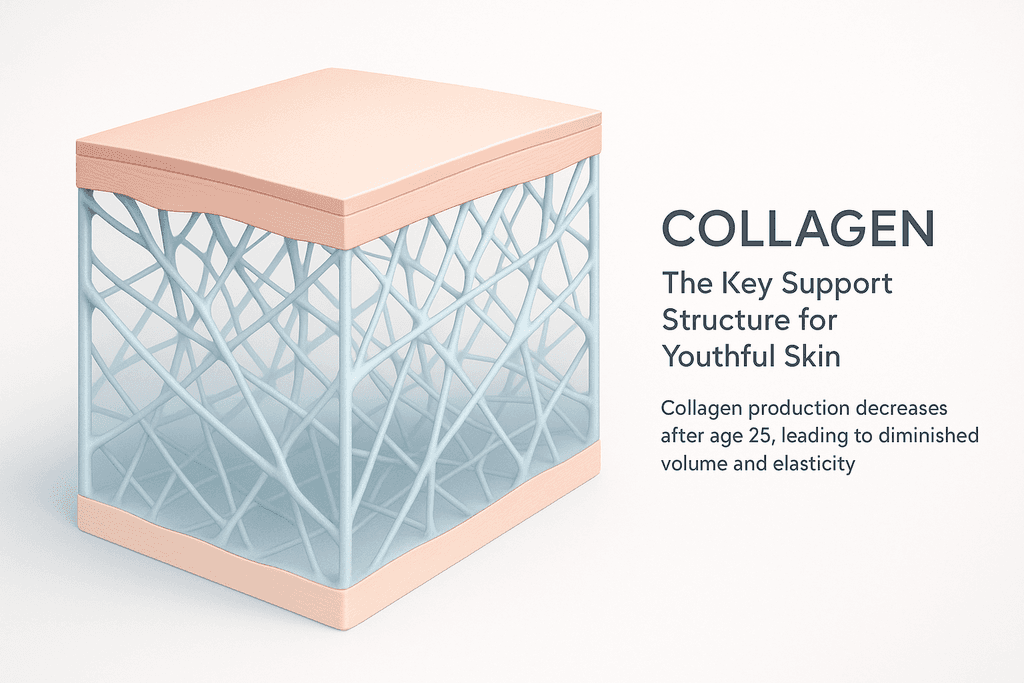
Your skin is held up by a protein called collagen, which works like tiny scaffolding underneath the surface. Think of collagen as the framework that keeps everything lifted and firm, similar to how beams hold up a building. When you’re young, your body makes plenty of collagen, which is why kids and teenagers have naturally plump, bouncy skin. But starting around age 25, your body begins making less collagen each year, and the collagen you already have starts breaking down faster than it can be replaced.
Why Cheeks Lose Volume First
Your cheeks are one of the first places you’ll notice aging because they have a lot of fat pads that depend on collagen stimulation to stay in place. When collagen breaks down, these fat pads start to slide down and shrink. The cheek area also has thinner skin than many other parts of your face, which means changes show up faster and more obviously.
Several things speed up how quickly you lose collagen in your cheeks:
- Sun exposure breaks down collagen fibers and prevents new collagen from forming properly
- Smoking reduces blood flow to your skin and damages existing collagen
- High sugar diets can cause a process called glycation that makes collagen stiff and weak
- Chronic stress increases hormones that break down collagen faster
- Not getting enough sleep prevents your body from repairing collagen damage
The Numbers Behind Collagen Loss
The rate at which you lose collagen isn’t the same throughout your life. It starts slow and then picks up speed as you get older. Research on collagen and skin aging shows that this process affects everyone, though the exact timing varies from person to person.
| Age Range | Annual Collagen Loss | Visible Changes |
|---|---|---|
| 20s | 1% per year | Minimal |
| 30s | 1-2% per year | Fine lines appear |
| 40s | 2% per year | Cheek hollowing begins |
| 50s and beyond | 2-3% per year | Significant volume loss |
At Beauty & Fly, we focus on treatments that encourage your body to make more collagen naturally, like Microneedling with PRP and our Vivace Fractional treatments. These approaches work with your skin’s own healing process rather than just filling in what’s already lost. The good news is that collagen stimulation can be restarted at almost any age, though it’s easier to maintain what you have than to rebuild what’s gone.
How Collagen Stimulation Actually Works
Your skin loses about 1% of its collagen every year after you turn 20. That’s why your cheeks start to look flatter and less full as you age. But here’s something most people don’t know: your body never actually loses the ability to make new collagen. It just needs the right trigger to start producing it again. Collagen stimulation treatments work by creating controlled micro-injuries in your skin, which sounds scary but is actually a smart way to wake up your body’s natural healing process.

How Collagen Stimulation Actually Works
Think of it like this: when your skin detects these tiny, controlled injuries, it goes into repair mode. Your body sends healing cells to the area and starts pumping out fresh collagen and elastin. This isn’t the same as just injecting something under your skin to fill it up temporarily.
The collagen production timeline happens in stages:
- Immediate response (first 24-48 hours): inflammation and healing signals activate
- Early production (weeks 2-4): new collagen fibers start forming
- Peak results (months 2-6): collagen continues building and remodeling
- Long-term benefits (up to 12+ months): mature collagen provides lasting structure
Traditional dermal fillers work differently because they just add volume right away. Collagen stimulation actually teaches your skin to rebuild itself from the inside out. The results take longer to show up, but they look more natural because you’re not adding foreign material. You’re just helping your body do what it used to do naturally when you were younger.
Research shows that collagen production triggered by various treatments can significantly improve skin elasticity and firmness over time. The gradual improvement means people won’t notice you had “work done” because your face doesn’t change overnight.
Top Treatments That Boost Collagen in Cheeks
Several treatments can trigger your body’s collagen production, and each one works a bit differently. Microneedling with PRP combines tiny needles with your own platelet-rich plasma, which is drawn from your blood and contains powerful growth factors. The needles create those controlled micro-injuries we talked about, while the platelets speed up healing and collagen production. It’s like giving your skin a double boost because you’re triggering the response and then supercharging it with your body’s own healing properties.

Top Treatments That Boost Collagen in Cheeks
Vivace Fractional treatment takes microneedling one step further by adding radiofrequency energy. The heat from the radiofrequency goes deeper into your skin layers, stimulating even more collagen production than needles alone. This combination approach is especially good for cheeks because it addresses both surface texture and deeper volume loss at the same time.
| Treatment Type | How It Works | Best For |
|---|---|---|
| Microneedling + PRP | Needles + growth factors | Texture and tone |
| Vivace Fractional | Needles + radiofrequency | Volume and firmness |
| Biostimulators | Injectable collagen trigger | Deep volume loss |
| NOUVAderm Laser | Light energy | Overall skin quality |
Biostimulators are injectable treatments that work completely differently from regular fillers. Instead of just filling space, they trigger your body to produce collagen around the injection site. The product itself eventually dissolves, but the collagen your body made stays behind. This makes them perfect for restoring the natural fullness in cheeks that disappears with age.
The NOUVAderm laser uses light energy to heat the deeper layers of your skin without damaging the surface. This heat triggers collagen production while also improving skin tone and texture. At Beauty & Fly, Catherine Curtin often combines different collagen-stimulating treatments based on what each person’s skin needs, rather than using a one-size-fits-all approach.
What to Expect from Collagen Stimulation Results
The biggest difference between collagen stimulation and instant fillers is the timeline. You won’t walk out of your appointment with immediately plumper cheeks. Instead, you’ll notice gradual improvements over weeks and months as your body builds new collagen. Most people start seeing subtle changes around week three or four, with results continuing to improve for up to six months after treatment. This slow progression is actually a good thing because it looks completely natural.
Studies on collagen-based treatments show sustained improvements in skin structure and appearance that can last much longer than temporary fillers. While a typical filler might last 6-12 months before it dissolves, the collagen your body produces through stimulation treatments can stick around for 12-18 months or even longer.
Here’s what the typical timeline looks like:
- Week 1-2: Some redness and mild swelling (healing phase)
- Week 3-6: Early improvements in skin texture and subtle plumping
- Month 2-3: Noticeable increase in cheek fullness and firmness
- Month 4-6: Peak results as collagen continues maturing
Maintenance treatments help keep your results going strong. Most people benefit from touch-up sessions every 6-12 months, depending on which treatment they choose and how their skin responds. Some people combine different collagen-stimulating treatments for better results, like doing Vivace Fractional for deeper volume and adding microneedling with PRP for surface texture.
The reason personalized treatment plans matter so much is that everyone’s skin ages differently. Your genetics, sun exposure history, lifestyle habits, and natural collagen production all affect how you’ll respond to treatment. Working with an experienced provider who takes time to understand your specific concerns makes a huge difference in your results.
Why Collagen Stimulation Beats Quick Fixes
When you’re looking at options to keep your cheeks full and youthful, you’ll notice two main paths: traditional dermal fillers that add volume right away, or collagen stimulation treatments that work with your body’s natural processes. The difference between these approaches goes beyond just how they work. It affects how natural you look, how long results last, and what you’ll spend over the years. Research shows that collagen production directly impacts skin elasticity and hydration, which is why treatments that boost your own collagen tend to create more authentic results.
How the Two Approaches Differ
Traditional fillers work by physically adding volume under your skin. They’re like inflating a balloon to smooth out wrinkles. Collagen stimulation takes a different route by waking up your skin’s own repair system.
| Treatment Type | How It Works | Results Timeline | Duration |
|---|---|---|---|
| Traditional Fillers | Adds instant volume | Immediate | 6-18 months |
| Collagen Stimulation | Triggers natural production | Gradual (2-3 months) | 12-24+ months |
The Natural Appearance Advantage
Here’s where collagen stimulation really shines. Because you’re building your own tissue rather than adding foreign material, the results blend seamlessly with your natural features. Your face moves and expresses emotion normally because nothing artificial is sitting under the surface.
- No risk of that overfilled or frozen look
- Results improve your existing structure instead of changing it
- Facial expressions remain completely natural
- Skin quality improves along with volume
Long Term Value and Cumulative Benefits
The math gets interesting when you look at costs over several years. While collagen stimulation treatments like Microneedling with PRP or biostimulators might seem pricier upfront, they last longer and actually get better with each session.
- Each treatment builds on the previous one
- Results can last up to two years or more
- Fewer maintenance appointments needed over time
- Skin texture and tone improve as a bonus
At Beauty & Fly, Catherine Curtin designs treatment plans that combine different collagen-boosting methods based on what your skin actually needs. Her approach focuses on gradual, natural improvements rather than dramatic overnight changes. This personalized planning means you’re not getting a one-size-fits-all solution, but a strategy that works with your body’s timeline and your aesthetic goals.
Your Path to Naturally Plump Cheeks
Your cheeks lose volume over time because collagen breaks down faster than your body can replace it. That’s just how aging works. But here’s what matters: collagen stimulation treatments work with your body’s natural healing process instead of just filling space temporarily. When you trigger your skin to make more collagen, you’re building something that lasts.
The difference between a quick fix and real results comes down to whether you’re adding something artificial or helping your skin rebuild itself. Treatments like Microneedling with PRP and Vivace Fractional at Beauty & Fly focus on waking up your body’s own collagen production. Your skin gets thicker and firmer from the inside out.
This approach takes a bit more patience than instant fillers, but the payoff is worth it. You end up with cheeks that look naturally full, not puffy or overdone. The results develop gradually and stick around longer because you’re actually improving your skin’s structure.
Catherine Curtin designs each treatment plan based on what your skin actually needs, not a one-size-fits-all protocol. She looks at where you’ve lost volume, how your skin responds, and what timeline makes sense for your goals. That personalized touch means you’re not getting cookie-cutter results.
If you’re tired of watching your cheeks flatten out year after year, it might be time to think about building collagen instead of just covering up the problem. A consultation can show you exactly what’s possible for your face.
Common Questions About Collagen Stimulation
If you’re thinking about trying collagen stimulation for your cheeks, you probably have some questions about what to expect. Most people want to know how it works, whether it hurts, and how long they’ll see results before they commit to treatment. These are smart questions to ask, and the answers might surprise you with how straightforward the process actually is. Here’s what patients at Beauty & Fly typically want to know before their first appointment with Catherine Curtin.
How long do collagen stimulation results last?
Results from collagen stimulation typically last anywhere from six months to two years, depending on which treatment you choose and how your body responds. Treatments like Vivace Fractional and Microneedling with PRP work by triggering your body’s natural collagen production, so the improvements develop gradually over several months and stick around longer than temporary fixes. Your age, lifestyle, and skin condition all play a role in how long you’ll enjoy the results.
Is collagen stimulation painful?
Most collagen stimulation treatments involve numbing cream applied before the procedure, so discomfort is minimal. You might feel some pressure or a slight prickling sensation during treatments like microneedling, but it’s generally well-tolerated. Many patients describe it as less uncomfortable than they expected, and any redness or sensitivity usually fades within a day or two.
How many treatments are needed?
Most people see the best results with a series of three to four treatments spaced about four to six weeks apart. Your skin needs time between sessions to build new collagen, which is why spacing matters more than rushing through multiple appointments. Catherine creates a personalized treatment plan based on your specific goals and skin condition during your consultation.
Can collagen stimulation be combined with fillers?
Yes, collagen stimulation and dermal fillers actually work really well together. Fillers provide immediate volume while collagen stimulation improves your skin’s quality and texture over time. Many patients at Beauty & Fly use this combination approach to get both instant results and long-term improvement in their cheek area.
Who is a good candidate for collagen stimulation?
If you’re noticing early signs of volume loss, fine lines, or skin texture changes in your cheeks, you’re probably a good candidate. Collagen stimulation works best for people who want natural-looking improvements without surgery and are willing to wait a few months for full results to develop. It’s suitable for most skin types and ages, though a consultation helps determine if it’s right for your specific situation.
What’s the downtime after treatment?
Downtime is usually minimal with most collagen stimulation treatments. You might have some redness and slight swelling for one to three days, similar to a mild sunburn. Most people return to work the next day, though you’ll want to avoid heavy exercise and direct sun exposure for a few days while your skin heals.