
Your skin changes every year, and what worked in your twenties won’t address the concerns you see in your thirties, forties, or beyond. The truth is that facial rejuvenation isn’t one-size-fits-all because fine lines, lost volume, uneven texture, and dark spots all need different approaches to truly improve. Understanding which treatments match your specific skin story is how you get results that look natural and feel right for you.
Table of Contents
- Understanding Common Skin Concerns
- Treating Fine Lines and Dynamic Wrinkles
- Restoring Lost Volume and Facial Contours
- Improving Skin Texture and Tone
- Addressing Pigmentation and Sun Damage
- Choosing the Right Treatment Combination
- Your Path to Natural Facial Rejuvenation
- Common Questions About Facial Rejuvenation
Understanding Common Skin Concerns
Your face tells the story of your life, but sometimes that story shows up faster than you’d like. Most people start noticing changes in their skin somewhere between their late twenties and early forties, though the exact timing depends on genetics, sun exposure, and lifestyle habits. The good news is that understanding what’s actually happening beneath your skin makes it easier to figure out which facial rejuvenation treatments will work best for you. At Beauty & Fly, we see clients every day who come in thinking they have just one problem, only to discover their concerns are actually connected in ways they didn’t expect.
How Aging Shows Up on Your Face
Fine lines and wrinkles are usually the first signs people notice. Every time you smile, squint, or furrow your brow, you’re creating tiny creases in your skin. When you’re young, your skin bounces back because it’s full of collagen and elastin, but as these proteins break down over time, those temporary creases become permanent lines.
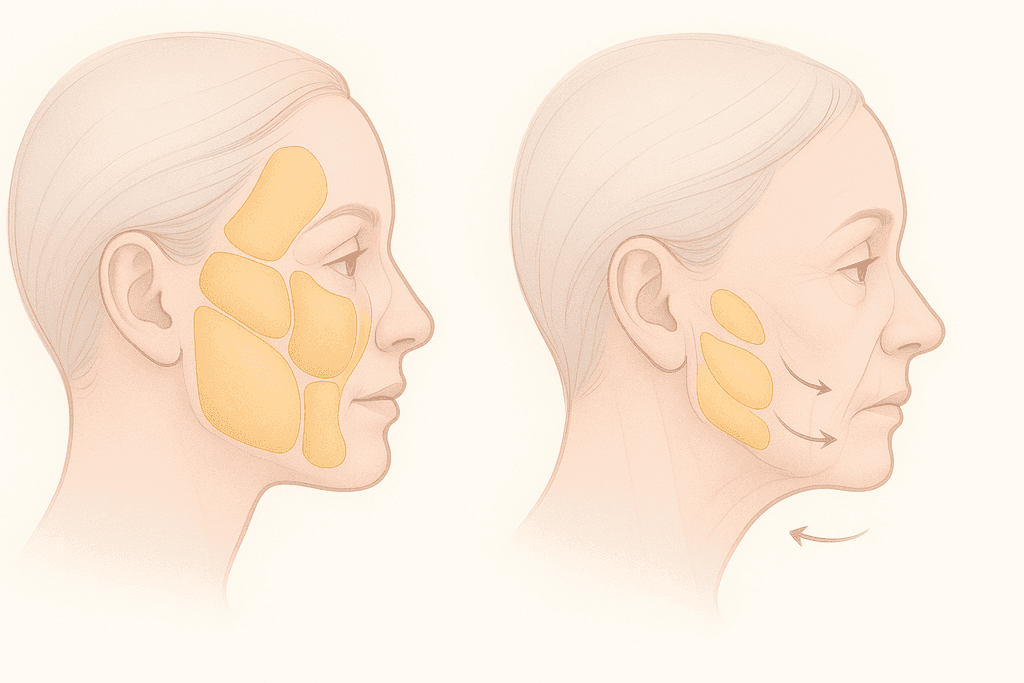
Volume loss happens more quietly but can change your whole face shape. The fat pads in your cheeks, temples, and under your eyes naturally shift downward and shrink as you age. This creates hollows where you used to have fullness and can make your face look tired even when you’re well-rested.
Texture and Tone Problems
Rough, uneven skin texture often comes from years of sun damage and slower cell turnover. Your skin naturally sheds dead cells and makes new ones, but this process slows down as you get older. The result is enlarged pores, rough patches, and a dull appearance that makeup can’t quite fix.
Pigmentation issues like dark spots, melasma, and uneven tone have multiple causes. Sun exposure is the biggest culprit, but hormones and inflammation also play a role. Research shows that combining the right treatments can address multiple aging concerns at once, which is why personalized treatment plans work better than one-size-fits-all approaches.
Common Concerns at a Glance
| Skin Concern | Primary Causes | Typical Age of Onset |
|---|---|---|
| Fine Lines & Wrinkles | Repeated muscle movements, collagen loss, sun damage | Late 20s to early 30s |
| Volume Loss | Fat pad shifting, bone resorption, collagen depletion | Mid 30s to 40s |
| Texture Issues | Sun damage, decreased cell turnover, enlarged pores | 30s and beyond |
| Pigmentation Problems | UV exposure, hormonal changes, inflammation | Any age, worsens over time |
| Skin Laxity | Elastin breakdown, gravity, collagen loss | 40s and beyond |
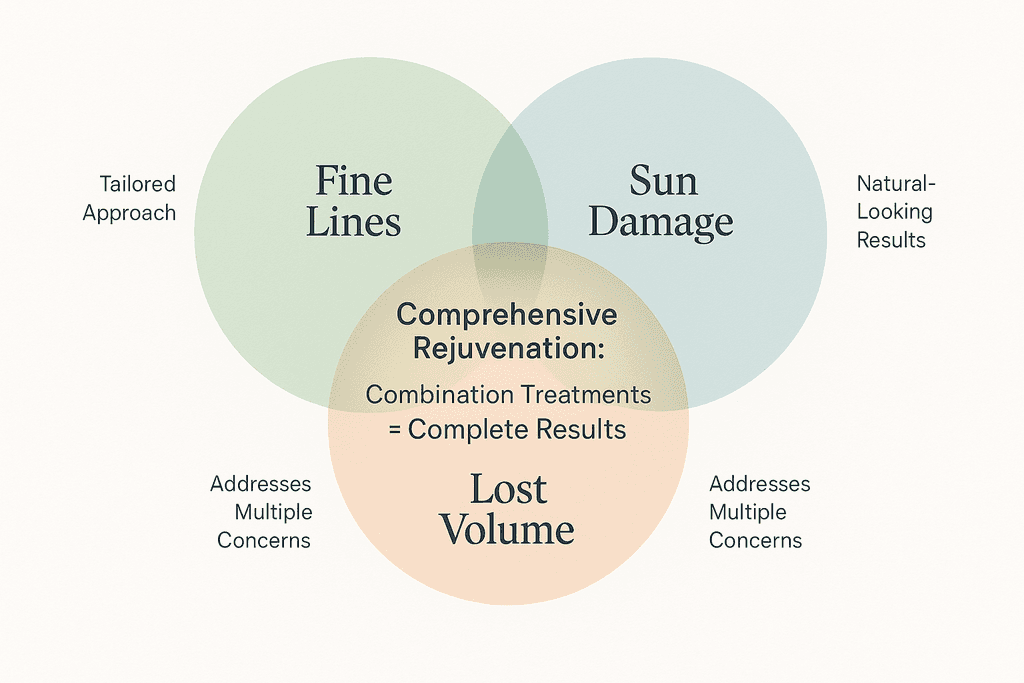
Here’s what most people don’t realize: you probably have several of these concerns happening at once. A line around your mouth might be partly from repeated movements, partly from volume loss in your cheeks, and partly from sun damage affecting your skin’s texture. That’s why comprehensive facial rejuvenation approaches that address multiple issues tend to give the most natural-looking results.
Treating Fine Lines and Dynamic Wrinkles
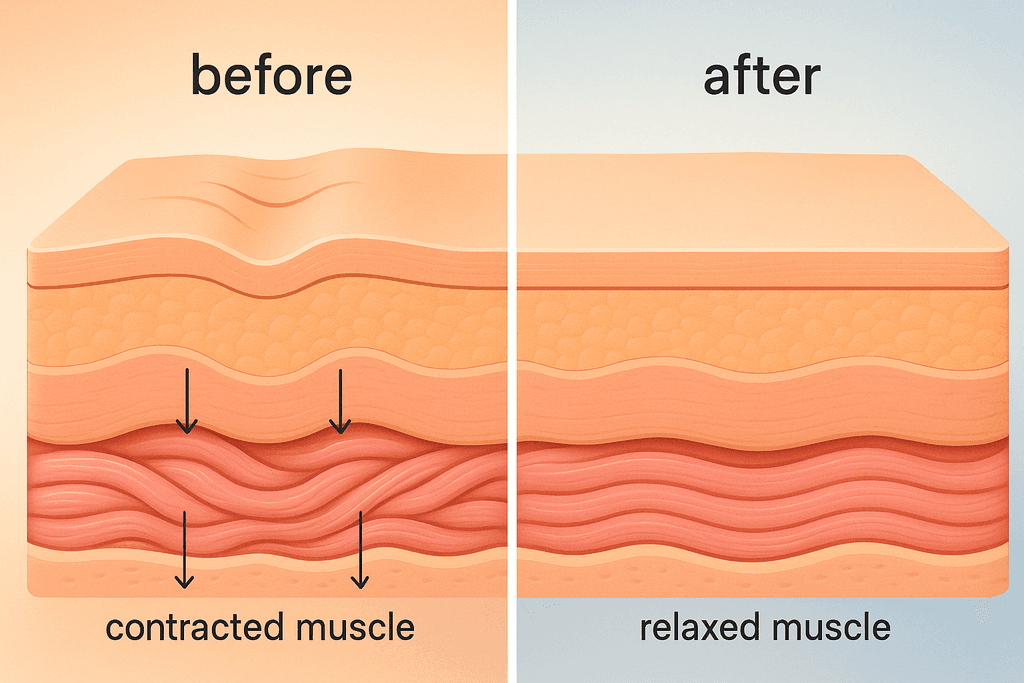
Your face tells the story of every smile, laugh, and worried moment through the lines etched into your skin. These expression lines appear because the same muscles that create your emotions also create creases in the skin above them. Over time, those temporary creases become permanent fixtures. The good news is that neuromodulators like BOTOX work by relaxing the specific muscles that create these expression lines, giving your skin a chance to smooth out naturally.
Treating Fine Lines and Dynamic Wrinkles
The treatment itself takes just minutes, and results typically appear within a few days. Most people see their smoothest results around two weeks after treatment, and those results last about three to four months with regular maintenance.
What makes neuromodulators effective for different wrinkle types:
- Forehead lines from raising your eyebrows
- Crow’s feet that fan out from the corners of your eyes
- Frown lines between your brows (the “elevens”)
- Bunny lines across the bridge of your nose
Here’s something most people don’t realize: prevention is actually easier than correction. Starting treatments before deep lines set in means you can maintain smoother skin with less product over time. Think of it like maintaining a car rather than waiting for major repairs.
But neuromodulators only address one part of the equation. They relax the muscles, but they don’t improve the quality of the skin itself. That’s why combining neuromodulators with skin resurfacing treatments addresses both the muscle movement and the actual texture of your skin. At Beauty & Fly, Catherine customizes injection patterns based on your unique facial anatomy to preserve your natural expressions while smoothing the lines you want to address.
Restoring Lost Volume and Facial Contours
As we age, we don’t just get wrinkles. We lose the underlying support structure that keeps our face looking full and lifted. Fat pads shrink, bone density decreases, and the scaffolding that once held everything in place starts to weaken. This creates hollowing under the eyes, flattening in the cheeks, and sagging along the jawline. The solution isn’t just about filling lines, it’s about rebuilding that lost architecture.
Restoring Lost Volume and Facial Contours
Dermal fillers immediately restore volume in areas that have lost fullness. These injectable gel-like substances can plump cheeks, soften under-eye hollows, add definition to lips, and sharpen the jawline. The results are visible right away, though some settling occurs over the following days.
| Treatment Type | How It Works | Results Timeline |
|---|---|---|
| Dermal Fillers | Immediate volume restoration | Instant, lasts 6-24 months |
| Biostimulators | Stimulates collagen production | Gradual over months, long-lasting |
Biostimulators take a different approach. Instead of adding volume directly, they work gradually by stimulating your own collagen production for natural-looking fullness that develops over time. This makes them ideal for people who want subtle improvements that don’t look like they had “work done.”
Different filler types work better for different areas based on their thickness and how they integrate with tissue. Thinner fillers work well for delicate areas like under the eyes, while thicker formulations provide better support for cheeks and jawline. Strategic placement lifts and supports facial structures without creating that overdone, puffy look that gives injectables a bad reputation.
The real artistry comes from combining fillers with other treatments for comprehensive facial rejuvenation that addresses multiple concerns at once. Results can last anywhere from six months to two years depending on the product used and where it’s placed.
Improving Skin Texture and Tone
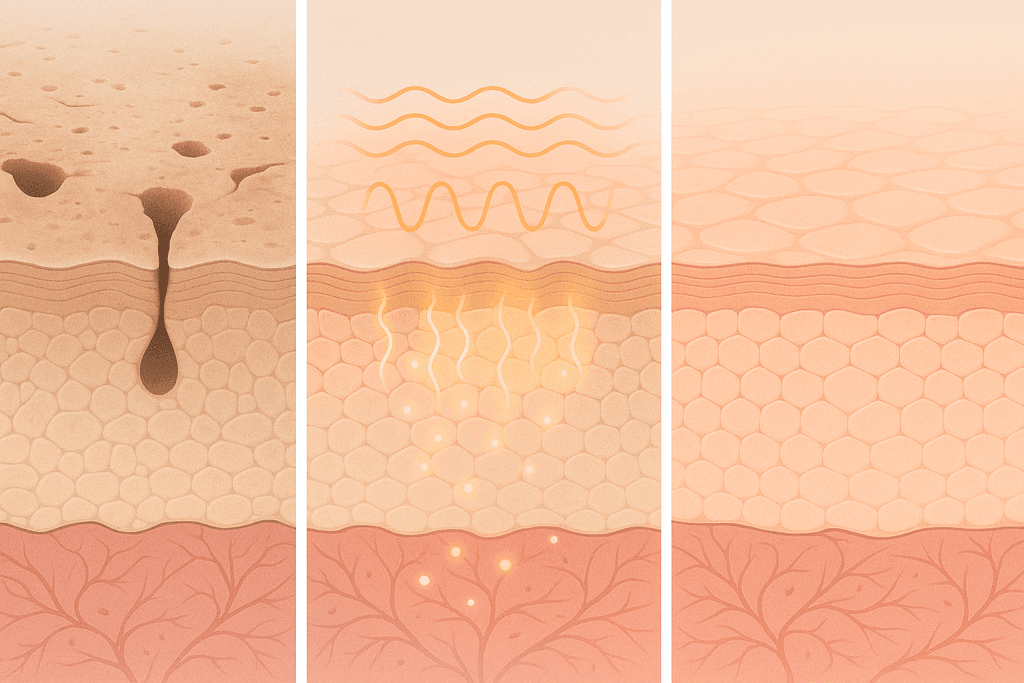
Smooth, even skin reflects light differently than rough, textured skin. When your skin has enlarged pores, rough patches, or an uneven surface, it looks dull even if your color is good. These texture issues come from sun damage, aging, acne scarring, and the natural slowdown of cell turnover as we get older. The treatments that address texture work by triggering your skin’s natural healing and renewal processes.
Improving Skin Texture and Tone
The NOUVAderm laser improves texture, tightens pores, and evens tone with minimal downtime compared to older laser technologies. It works by creating controlled micro-injuries that stimulate collagen production without leaving you red and peeling for weeks.
Popular texture-improving treatments and what they do:
- Microneedling with PRP uses your body’s own healing factors to resurface and renew skin
- VI Peel provides professional-grade exfoliation for smoother, brighter skin
- Vivace Fractional combines microneedling with radiofrequency for deeper collagen stimulation
- Microinfusion Facial delivers serums deep into skin while creating micro-channels
These treatments work progressively rather than instantly. Results build over weeks as your skin regenerates new collagen and healthier cells replace damaged ones. You might see some immediate glow, but the real improvements develop over the following months.
The key to maintaining results is combining resurfacing treatments with quality skincare like SkinBetter science products. Professional treatments create the foundation, but daily skincare keeps the improvements going between appointments. Think of it like getting your teeth cleaned at the dentist but still brushing at home.
Addressing Pigmentation and Sun Damage
Dark spots, melasma, and uneven pigmentation are some of the most frustrating skin concerns because they’re stubborn and tend to come back if you’re not careful. Unlike wrinkles or volume loss, pigmentation issues happen when melanin production goes haywire in certain areas. Sun exposure is the biggest trigger, but hormones, inflammation, and genetics all play a role. The tricky part is that pigmentation issues require a multi-layered approach combining treatments and skincare rather than a single fix.
Laser treatments target the melanin deposits without damaging the surrounding skin. The pigmented cells absorb the laser energy, break apart, and are gradually cleared by your body’s natural processes. Different laser wavelengths work better for different types of pigmentation.
Effective pigmentation treatment strategy:
- Start with a professional assessment to identify the type and depth of pigmentation
- Use laser or chemical peel treatments to break up existing pigment
- Apply medical-grade skincare from Alumier MD to prevent new spots
- Protect skin daily with SPF to prevent pigmentation from returning
- Schedule maintenance treatments as needed
Chemical peels like VI Peel break up pigmentation and promote even cell turnover by removing the damaged outer layers of skin. This reveals fresher, more evenly toned skin underneath. PRP therapy can be added to accelerate healing and reduce the post-inflammatory pigmentation that sometimes occurs after aggressive treatments.
Here’s the hard truth: sun protection is essential because pigmentation returns quickly without proper SPF use. Even the best treatments won’t last if you’re not protecting your skin daily. Some pigmentation requires multiple treatment sessions spaced weeks apart to fully clear, especially deeper melasma or long-standing sun damage.
Medical-grade skincare helps maintain results between treatments and prevents new spots from forming. The combination of in-office procedures and home care creates lasting improvements rather than temporary fixes.
Choosing the Right Treatment Combination
Most people walk into a med spa thinking they need one specific treatment, but the truth is more complicated. Your skin doesn’t age in just one way, and trying to fix multiple concerns with a single approach rarely gives you the results you’re hoping for. Think about it like this: if you have fine lines, sun damage, and lost volume all happening at once, a single treatment might address one issue while leaving the others untouched. That’s why combining treatments strategically almost always delivers better outcomes than going solo.
Single Treatment vs Combination Approach
Here’s how these two strategies stack up against each other:
| Single Treatment Approach | Combination Treatment Approach |
|---|---|
| Addresses one specific concern | Tackles multiple skin issues simultaneously |
| Lower upfront cost | Better long-term value and results |
| May require multiple separate visits | Treatments can often be sequenced efficiently |
| Results may look incomplete | Creates comprehensive, natural-looking improvements |
Factors That Guide Your Treatment Plan
The right facial rejuvenation plan isn’t one-size-fits-all. Several personal factors determine which treatments will work best for you and in what order.
- Your age and how your skin has changed over time
- Skin type and any sensitivities you might have
- How much downtime you can realistically handle with your schedule
- Budget considerations and whether you prefer gradual improvements or faster results
- Specific concerns like wrinkles, volume loss, texture issues, or pigmentation
Why Professional Assessment Matters
You can spend hours researching treatments online, but nothing replaces an in-person evaluation with someone who knows what they’re doing. According to comprehensive treatment planning guidelines for aging face patients, proper assessment considers facial anatomy, aging patterns, and how different treatments interact with each other.
At Beauty & Fly, Catherine Curtin uses her 18 years of experience to create customized plans that address multiple concerns without overdoing it. She looks at your whole face, not just the area you’re worried about, because everything connects.
Timing and Sequencing Treatments
Here’s something most people don’t realize: the order you do treatments actually matters. Some combinations work better when properly sequenced.
- Skin resurfacing treatments like NOUVAderm or VI Peel often come first to create a better canvas
- Neuromodulators and fillers typically follow once skin texture improves
- Maintenance treatments like microneedling with PRP can be scheduled between major procedures
- Biostimulators work gradually and need time to build collagen before adding other treatments
The key is finding someone who understands these nuances and can map out a realistic timeline that fits your life. That’s where experience really shows its value in getting you results that look natural and last.
Your Path to Natural Facial Rejuvenation
The truth is, there’s no one-size-fits-all answer when it comes to facial rejuvenation. Your skin is different from everyone else’s, which means what works for your friend might not be the right fit for you. Whether you’re dealing with fine lines, lost volume, uneven texture, or stubborn pigmentation, the key is matching the right treatment to your specific concern.
That’s where working with an experienced provider makes all the difference. Someone who really knows facial anatomy and has years of hands-on experience can spot what your skin actually needs, not just what’s trending on social media. At Beauty & Fly, Catherine Curtin brings over 18 years of aesthetic medicine expertise to create treatment plans that address your unique goals.
The best results come from combining different approaches rather than relying on just one treatment. Maybe you need neuromodulators for expression lines plus the NOUVAderm laser for texture and tone. Or perhaps dermal fillers paired with microneedling with PRP would give you the natural refresh you’re after.
Starting with a consultation is really the only way to know which path makes sense for your skin, your budget, and your lifestyle. Some treatments need more downtime than others, and some work better for certain skin types.
The good news is that modern facial rejuvenation options give you plenty of choices, from quick injectable appointments to more intensive laser sessions. The hard part is figuring out where to begin, which is exactly what the following questions will help you understand.
Common Questions About Facial Rejuvenation
Choosing the right facial rejuvenation treatment can feel overwhelming when you’re not sure where to start. These answers to common questions will help you understand what to expect from different procedures and how to find the best option for your specific skin concerns. Whether you’re dealing with fine lines, volume loss, or texture issues, knowing the basics makes it easier to have a productive conversation with your provider.
How do I know which treatment is right for my skin concern?
The best way to find the right treatment is through a personalized consultation where your provider examines your skin and listens to your goals. Different concerns respond better to specific treatments—for example, neuromodulators like BOTOX work well for expression lines, while dermal fillers address volume loss and deeper wrinkles. At Beauty & Fly, Catherine Curtin evaluates your unique skin condition and creates a customized plan that targets your specific concerns rather than taking a one-size-fits-all approach.
Can I combine different facial rejuvenation treatments?
Yes, combining treatments often produces better results than using just one approach. Many patients benefit from pairing injectables with skin resurfacing procedures like the NOUVAderm laser or Microneedling with PRP for comprehensive facial rejuvenation. Your provider can design a treatment plan that layers different modalities safely and effectively to address multiple concerns at once.
How long do results last from different treatments?
Results vary depending on the treatment type and your individual factors. Neuromodulators typically last three to four months, while dermal fillers can last anywhere from six months to two years depending on the product used. Biostimulators and treatments like PRP Therapy build collagen over time, offering gradual improvements that can last a year or longer with proper maintenance.
Is there downtime with facial rejuvenation procedures?
Most facial rejuvenation treatments at Beauty & Fly involve minimal to no downtime. Injectable treatments might cause slight swelling or bruising that resolves within a few days, while procedures like the VI Peel involve a few days of visible peeling. The NOUVAderm laser is designed specifically for minimal downtime, making it easier to fit treatments into your regular schedule.
When will I see results from my treatment?
Timeline depends on what you’re having done. Neuromodulators take about three to seven days to show full effects, while fillers provide immediate volume that settles over a week or two. Collagen-building treatments like Microneedling with PRP and biostimulators work more gradually, with improvements appearing over several weeks to months as your skin naturally regenerates.
Are facial rejuvenation treatments safe for all skin types?
Most facial rejuvenation treatments can be safely performed on all skin types when administered by an experienced provider. Certain procedures require adjustments in technique or settings for darker skin tones to prevent pigmentation issues. Catherine’s extensive experience allows her to customize treatment parameters for each patient’s unique skin type and tone, ensuring both safety and optimal results.